
Table of Contents
- Understanding Your Right to Request a DMV Hearing
- The California DMV Hearing Deadline: What You Must Know
- How to Request a Hearing Online or by Mail
- Why a DMV Hearing Lawyer Makes a Difference
- What to Expect at Your Administrative Hearing
- Requesting a Stay of Suspension While Your Hearing Is Pending
- What Happens If You Miss the 10-Day Deadline
- Documents and Evidence You’ll Need for Your Hearing
Last Updated: August 26, 2026
Understanding Your Right to Request a DMV Hearing
When you’re arrested for driving under the influence, your driver’s license faces two separate legal processes: a criminal court case and an administrative proceeding with the Department of Motor Vehicles. These operate independently, and missing the deadline for one doesn’t affect the other.
Your right to request a DMV hearing in California stems from due process protections. The DMV cannot suspend or revoke your driving privilege without giving you an opportunity to contest the suspension. This hearing is your chance to challenge the evidence against you and potentially keep your license.
At Naderi Law Office, Inc., we help clients navigate this critical process. Understanding your rights and deadlines is the first step toward protecting your license and your freedom.
The California DMV Hearing Deadline: What You Must Know
The 10-day deadline is the single most important date in your DMV case. From the moment you’re arrested or cited for a DUI-related offense, you have exactly 10 days to request a hearing with the DMV (dmv.ca.gov). This deadline is absolute. Missing it means the DMV can suspend your license without ever giving you a chance to be heard.
The clock starts the same day as your arrest or citation, including weekends and holidays. The reason for this strict timeline is administrative procedure. California law requires that the DMV provide notice of the suspension and opportunity for a hearing.
Many people miss this deadline because they don’t understand it applies separately from their criminal court case. Your criminal attorney may be handling your DUI charge in court, but the DMV hearing is a completely different matter. If you don’t request the hearing within 10 days, the DMV will impose a suspension automatically.
The suspension can last anywhere from four months to three years, depending on your driving history and the circumstances of the arrest (dmv.ca.gov). A skilled attorney can help you meet this deadline and prepare your case properly.
How to Request a Hearing Online or by Mail
Requesting a DMV hearing in California can be done through two primary methods: online through the DMV’s official portal or by submitting a written request by mail or fax. Both methods must be completed within your 10-day window.
Submitting Your Request Online
The online portal is the fastest and most reliable way to request a hearing. Visit the DMV’s official website and locate the "Request a Hearing" section under Administrative Per Se (APS) proceedings. You’ll need to provide your driver’s license number, the date of your arrest or citation, and basic personal information.

Once you submit the online form, you’ll receive a confirmation number immediately. Save this number, it proves you filed within the deadline. The DMV will send you a written confirmation by mail within a few days, along with information about your assigned hearing officer and the hearing date.
The online method is preferable because it eliminates any possibility of your request being lost in the mail, and the timestamp is automatic and unambiguous.
Requesting a Hearing by Fax or Mail
If you prefer to submit your request in writing, mail or fax a letter to your local Driver Safety Office. Your request must include your name, driver’s license number, date of birth, the date of the arrest or citation, and a clear statement that you’re requesting a hearing to contest the suspension.
Address your request to the appropriate Driver Safety Office for your county. If you’re mailing, use certified mail with return receipt to prove delivery within the 10-day window. Your written request should be straightforward, a basic letter stating "I am requesting an administrative hearing to contest the suspension of my driving privilege" is sufficient.
The challenge with mail or fax is timing. For this reason, many attorneys recommend either submitting online or faxing directly to ensure the DMV receives it within the deadline.
Why a DMV Hearing Lawyer Makes a Difference
Representing yourself at a DMV hearing is possible, but the stakes are high. Your license is on the line, and the hearing officer evaluates evidence and testimony using legal standards you may not be familiar with.
A DMV hearing lawyer understands the specific rules of evidence that apply in administrative proceedings. These rules differ from criminal court, for example, hearsay evidence is admissible in DMV hearings in ways it wouldn’t be in criminal court. A lawyer knows how to challenge this evidence and what objections are valid.
An experienced attorney also knows the hearing officer’s role and limitations. The hearing officer is not a judge; they’re a state employee trained to evaluate whether the arresting officer had probable cause to believe you were driving under the influence. Your lawyer can identify weaknesses in the officer’s testimony and present evidence that contradicts the government’s case.
At Naderi Law Office, Inc., our seasoned attorneys have extensive experience representing clients in DMV hearings. The difference a lawyer makes often comes down to cross-examination of the arresting officer. A skilled attorney can expose inconsistencies in the officer’s account, challenge the reliability of field sobriety tests, and highlight procedural errors that may have occurred during the arrest.
What to Expect at Your Administrative Hearing
Your DMV hearing will take place in a formal government office, typically at a Driver Safety Office or designated hearing location. The hearing is not a trial, but it follows a structured format.
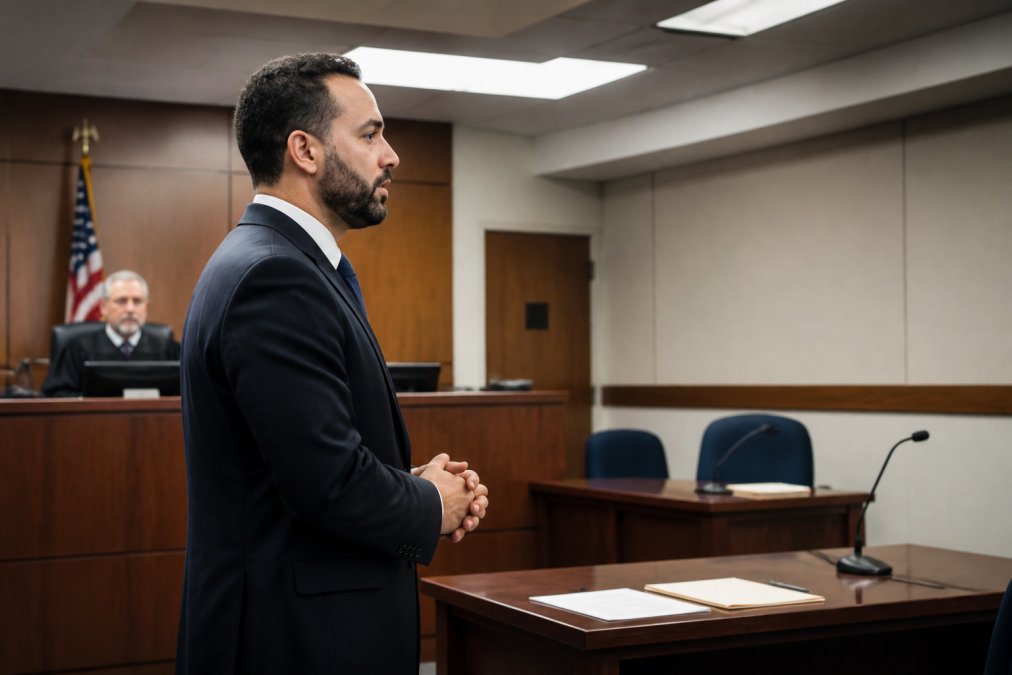
The hearing typically begins with the DMV presenting its case. The arresting officer will testify about the circumstances of your arrest, the observations they made, and any tests they administered. You’ll have the right to cross-examine the officer, asking questions that challenge their testimony.
After the DMV’s case, you present your evidence. This might include your own testimony, witness testimony, or documentary evidence. You can present evidence that contradicts the officer’s account, such as medical conditions that affected your performance on field sobriety tests or expert testimony about the reliability of breath or blood tests.
The hearing is recorded, and you have the right to obtain a copy. The hearing officer will issue a written decision within a specified timeframe, usually within 10 days. If the hearing officer rules against you, you have the right to appeal to the superior court.
Requesting a Stay of Suspension While Your Hearing Is Pending
One of the most important protections available to you is the stay of suspension. If you request a hearing within the 10-day deadline, California law automatically grants you a temporary stay (dmv.ca.gov). This means your license remains valid while your hearing is pending.
A stay of suspension allows you to continue driving legally until the hearing officer makes a decision. The stay remains in effect until the hearing officer issues a decision or you fail to appear at your scheduled hearing.
This is why meeting the 10-day deadline is so critical. If you miss the deadline, you lose the automatic stay and your license can be suspended without a hearing. If you do miss the 10-day deadline, you can petition the DMV to reinstate your right to a hearing by showing good cause for the delay, such as hospitalization or not receiving notice of the deadline.
What Happens If You Miss the 10-Day Deadline
Missing the 10-day deadline to request a DMV hearing in California has serious consequences. The DMV will impose a suspension of your driving privilege without ever giving you a hearing. This suspension becomes effective immediately upon notice.
Your license is suspended for the full period set by law, typically four months for a first offense, one year for a second offense within 10 years, or three years for a third or subsequent offense. You cannot drive legally during this period.
However, you can petition the DMV to hold a late hearing, arguing that you had good cause for the delay. Good cause is defined narrowly and typically includes circumstances beyond your control, such as being incarcerated, hospitalized, or not receiving notice of the suspension. An attorney can help you file a petition for a late hearing and present evidence of good cause.
Documents and Evidence You’ll Need for Your Hearing
Preparing for your DMV hearing requires gathering specific documents and evidence that support your case.
Start by obtaining a copy of the police report from your arrest. Review it carefully for inconsistencies or errors. Collect any medical records or documentation related to conditions that might have affected your performance on field sobriety tests. If you have a balance disorder, inner ear condition, or orthopedic injury, medical documentation supports your argument that the tests were unreliable.
Gather witness statements from anyone present during your arrest or who can testify about your condition that evening. If you took a breath or blood test, obtain the calibration records for the breath testing device or the chain of custody documentation for the blood test. These documents show whether the testing equipment was properly maintained and whether procedures were followed correctly.
Expert testimony can be crucial. An expert in toxicology, breath testing procedures, or field sobriety testing can testify about the limitations and potential errors in these tests. Document your driving record, a clean record with no prior DUI arrests or suspensions supports your credibility.
Finally, prepare your own testimony. Be ready to describe what happened that evening, your condition at the time, and any factors that might explain the officer’s observations. Testimony should be truthful and straightforward.
Protecting your license requires acting quickly and strategically. The 10-day deadline is real, and missing it eliminates your right to a hearing. If you’ve been arrested for a DUI-related offense in Los Angeles County, contact Naderi Law Office, Inc. today for a free case evaluation. Our experienced attorneys understand how to request a DMV hearing in California and how to present a compelling defense at your administrative hearing. We’re available 24/7 to help you protect your driving privilege and your freedom. Call us now to discuss your case and secure the aggressive representation you deserve.
Frequently Asked Questions
Q: What is the deadline to request a DMV hearing after a DUI arrest?
A: You have 10 days from the date of your arrest to request a DMV hearing. This deadline is critical because missing it results in an automatic suspension of your driving privilege. The 10-day period includes weekends and holidays, so count carefully from your arrest date. If the 10th day falls on a weekend or holiday, you may request the hearing on the next business day. Contact the Driver Safety Office immediately after your arrest to confirm the exact deadline for your case.
Q: Do I need a DMV hearing lawyer to represent me at my administrative hearing?
A: While you are not required to have a lawyer, having a DMV hearing lawyer significantly improves your chances of a favorable outcome. An experienced attorney understands the rules of evidence, knows how to challenge police reports and chemical test results, and can cross-examine witnesses effectively. A lawyer also ensures you understand your rights and can help you develop a strong defense strategy. Many people find that legal representation is worth the investment given the stakes of losing your driving privilege.
Q: What happens if I miss the 10-day deadline to request a DMV hearing?
A: If you fail to request a hearing within 10 days of your arrest, your driving privilege will be automatically suspended. You lose your right to challenge the suspension through an administrative hearing, and the suspension becomes final. However, you may still have options through the criminal court process or by requesting judicial review. It is crucial to act quickly and contact a qualified attorney immediately if you have missed the deadline, as there may be limited remedies available to you.
Q: What is the difference between a DMV administrative hearing and a criminal court hearing?
A: A DMV administrative hearing focuses solely on whether there was a legal basis to suspend your driving privilege. It examines the arrest circumstances, chemical test results, and your driving record. A criminal court hearing addresses criminal charges against you, such as driving under the influence, and determines guilt or innocence. The two proceedings are separate, and an outcome in one does not automatically determine the outcome in the other. You may win your DMV hearing but face conviction in criminal court, or vice versa.
This article was written using GrandRanker