
Table of Contents
- What Happens in the First 24 Hours After a DUI Arrest
- Secure Legal Representation Immediately
- Understanding the DMV Hearing Process
- Know Your Constitutional Rights During a Traffic Stop
- Common DUI Defense Strategies to Fight Your Case
- First-Time DUI Penalties and What to Expect
- Protect Your Employment and Professional License
- The Criminal Court Process After Your Arrest
Last Updated: August 15, 2026
What Happens in the First 24 Hours After a DUI Arrest
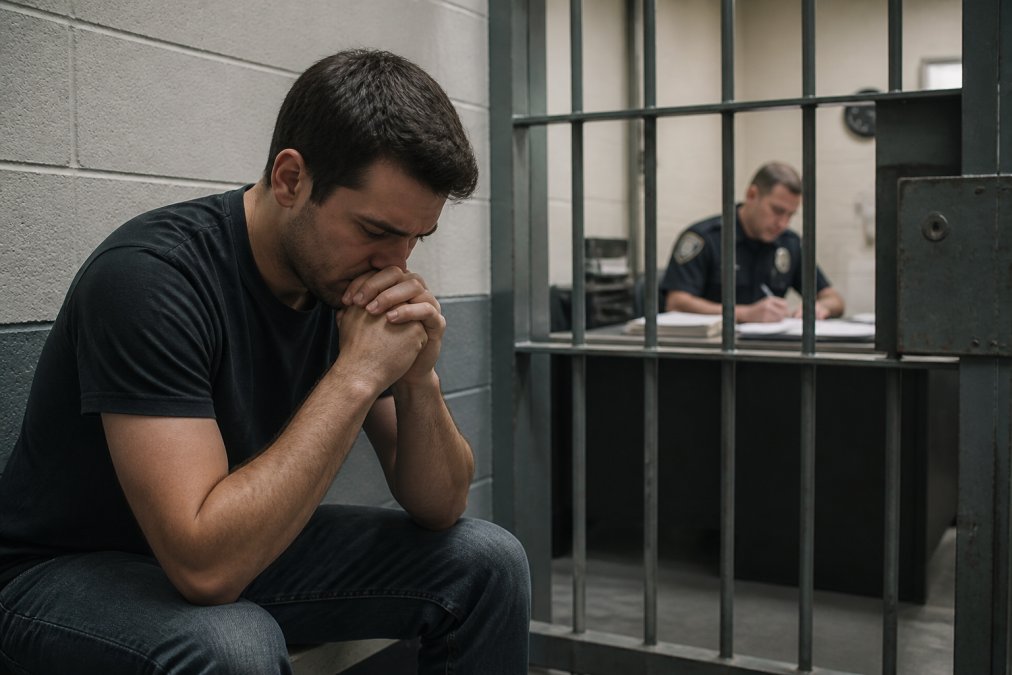
The first 24 hours after a DUI arrest determine how your case unfolds. When police pull you over, they gather evidence through field sobriety tests, breathalyzer readings, and your statements. You’ll be taken to a police station or jail for booking, where officers photograph you, take fingerprints, and conduct a chemical test if you haven’t already.
Within 24 hours, you must be brought before a judge for an initial appearance. This is where the judge informs you of charges, explains your rights, and determines bail or release conditions. You can request a continuance to secure legal representation, don’t waive this right.
During this period, police may attempt to question you. Silence is your strongest defense. Anything you say can be used against you, and even innocent explanations can be twisted into admissions. You have the right to refuse questioning until an attorney is present.
The bail decision in those first hours shapes your immediate future. If bail is set too high, you may spend days in custody. If conditions are restrictive, they can complicate employment and daily life. Having legal representation at that initial appearance allows your attorney to argue for reasonable bail and conditions.
Secure Legal Representation Immediately

Don’t wait. The moment you’re arrested, your right to legal counsel becomes active. If you cannot afford a criminal defense attorney, request a public defender at your initial appearance. However, public defenders are often overloaded with cases and may have limited time for individual preparation. If you can afford private representation, securing an experienced criminal defense attorney immediately gives you significant advantages.
Your attorney’s first moves are critical. They’ll file motions to preserve evidence, request discovery (police reports, dashcam footage, breathalyzer calibration records), and identify potential violations in how you were arrested. Police misconduct during the traffic stop, an illegal search, improper field sobriety test administration, or failure to read Miranda rights can invalidate evidence.
At Naderi Law Office, Inc., we’re available 24/7 because these first hours are irreplaceable. Our team begins working your case immediately: attending your initial appearance, arguing bail conditions, and starting the evidence review that builds your defense strategy. We’ve handled cases ranging from first-time misdemeanor DUI to serious felony charges.
A good criminal defense attorney also manages the psychological weight of arrest. Your attorney translates legal procedures into clear next steps and explains what’s actually at stake, preventing panic-driven decisions that harm your case.
Understanding the DMV Hearing Process
The DMV hearing process is separate from criminal court and moves faster. This administrative proceeding determines whether the DMV suspends your driving license based on the arrest alone, regardless of criminal court outcomes.
After a DUI arrest, the police report triggers an automatic notice of suspension from the DMV. You typically have 10 days to request a hearing or your license suspension becomes automatic. This deadline is real and unforgiving.
The DMV hearing focuses on three questions: Did the officer have probable cause to believe you were driving under the influence? Did you refuse a chemical test, or did the test show a blood alcohol concentration above the legal limit? Were you properly advised of the consequences of refusing the test?
When you accepted your driver’s license, you consented to chemical testing if arrested for DUI. Refusing the test triggers an automatic license suspension, but it also prevents the prosecution from using the test result as evidence in criminal court. Your attorney helps you understand this trade-off in your specific case.
At the DMV hearing, you can present witnesses, challenge the officer’s observations, and question the reliability of the breathalyzer or blood test. Many people don’t realize they can challenge the chemical test at the DMV level, potentially winning the administrative hearing even if the criminal case is uncertain.
Winning your DMV hearing protects your ability to work, travel, and maintain normalcy while your criminal case proceeds. It also removes a piece of evidence from the prosecution’s arsenal.
Know Your Constitutional Rights During a Traffic Stop
Your constitutional rights during a traffic stop are real protections. Understanding them prevents police misconduct from poisoning your case.
The Fourth Amendment protects you from unreasonable searches and seizures. A police officer needs reasonable suspicion to pull you over, articulable facts suggesting criminal activity, not a hunch. If the officer had no valid reason to stop your vehicle, everything that follows (field sobriety tests, breathalyzer, statements) can be suppressed.
During the stop, you have the right to remain silent. The officer may ask questions, but you’re not required to answer. Your silence cannot be used against you in court. Polite refusal is your right: "I’m not answering questions without my attorney present."
Field sobriety tests are voluntary. The horizontal gaze nystagmus test, the one-leg stand, and the walk-and-turn are not mandatory. You can decline without legal penalty. Many people don’t know this and submit to tests they perform poorly on due to nervousness, medical conditions, or the tests’ inherent unreliability.
The breathalyzer test at the roadside is also voluntary. The preliminary alcohol screening (PAS) test is different from the chemical test administered at the station. You can refuse the roadside PAS without automatic license suspension. The chemical test at the station is where implied consent applies, but refusing it is still your choice.
Search and seizure protections extend to your vehicle. The officer cannot search your car without consent or a warrant. If police search your vehicle illegally, your attorney can file a motion to suppress any evidence obtained through that illegal search.
Self-incrimination protections under the Fifth Amendment mean you cannot be compelled to testify against yourself. At trial, you have the right to remain silent and let the prosecution prove its case.
Common DUI Defense Strategies to Fight Your Case
DUI defense strategies vary based on your arrest specifics, but several approaches consistently challenge the prosecution’s case.
The most effective strategy attacks the reliability of evidence. Breathalyzers require proper calibration, maintenance, and operation. If the device wasn’t calibrated within the required timeframe, if the officer didn’t follow proper procedures, or if the machine’s logs show mechanical issues, the test result is unreliable. Your attorney requests maintenance records and calibration certificates.
Field sobriety test performance depends heavily on the officer’s administration and your physical condition. Poor balance during a one-leg stand can result from fatigue, medical conditions, or nervousness. An attorney challenges how the officer administered the tests and presents evidence of alternative explanations.
Police misconduct during the traffic stop provides grounds for suppression. An illegal traffic stop invalidates everything that follows. An improper field sobriety test administration, failure to read Miranda rights before custodial interrogation, or improper handling of blood samples can all trigger motions to suppress evidence.
Challenging the probable cause for the initial traffic stop is foundational. If the officer stopped your vehicle without reasonable suspicion, the entire arrest falls apart. Did you cross the center line once or repeatedly? Did the officer actually observe impaired driving?
Rising blood alcohol is a legitimate defense in some cases. Your blood alcohol concentration changes as alcohol is absorbed. If you were arrested shortly after driving, your BAC at the time of driving may have been below the legal limit, even if the test taken at the station showed a higher reading.
Your attorney requests all records related to test administration and equipment maintenance to identify vulnerabilities in the prosecution’s evidence.
First-Time DUI Penalties and What to Expect
First-time DUI penalties vary based on blood alcohol concentration, whether anyone was injured, and whether you refused the chemical test.
For a first-time misdemeanor DUI with no injury and a BAC below 0.15%, penalties typically include:
- License suspension by the DMV for six months
- Criminal court probation for three to five years
- DUI education programs (typically 3-month or 6-month alcohol education courses)
- Fines and court costs
- Possible jail time (typically up to six months, though many first-time offenders avoid incarceration with proper representation)
- Mandatory ignition interlock device installation
If your blood alcohol concentration was 0.15% or higher, or if you refused the chemical test, penalties increase. Refusal triggers an automatic one-year license suspension, plus the criminal penalties above.
Mandatory minimums exist for certain DUI scenarios. If someone was injured in an accident involving your vehicle, charges escalate to felony DUI with mandatory prison time. If you had a passenger under 14 years old, enhancement charges apply. If you had a prior DUI conviction within ten years, you face felony charges.
The ignition interlock device requires you to blow into it before the vehicle starts and periodically while driving. The device costs $100-300 monthly, and violations result in additional criminal charges.
Probation conditions often include mandatory DUI education, counseling, community service, and regular check-ins with a probation officer. Violating any condition can result in additional jail time or extended probation.
A DUI conviction affects employment opportunities, professional licensing, housing applications, and insurance rates. Many employers won’t hire candidates with DUI convictions, and some professional licenses are suspended or revoked.
Protect Your Employment and Professional License
A DUI arrest threatens your employment and professional credentials before conviction. Understanding how to protect your job and license during the criminal process is essential.
Your employer doesn’t automatically learn about your arrest unless you tell them or they conduct a background check. However, if your arrest requires time away for court appearances, you may need to disclose something. Your attorney helps you navigate this conversation strategically.
Many employers have policies about criminal charges or convictions. Some have zero-tolerance policies; others evaluate each situation individually. If you disclose early and work with your employer transparently, you maintain some control over the narrative.
Professional licenses (medical, legal, nursing, teaching, contracting, etc.) are affected differently by DUI convictions depending on the licensing board. Some boards automatically suspend or revoke licenses following a DUI conviction. Others conduct case-by-case reviews. Your attorney may recommend specific actions, completing counseling, community service, or education programs, that demonstrate rehabilitation to the licensing board.
The criminal court process requires time for court appearances, attorney consultations, and potentially trial preparation. Your attorney works to consolidate appearances where possible and schedules them efficiently.
Some jurisdictions offer diversion programs that allow first-time offenders to avoid conviction if they complete specific requirements. These programs don’t erase the arrest from your record, but they prevent a criminal conviction from appearing on background checks in many cases. Your attorney evaluates whether you qualify for diversion and whether it serves your interests better than fighting the case or negotiating a plea.
The Criminal Court Process After Your Arrest
The criminal court process moves through predictable stages, each with specific procedures and strategic considerations.
Your initial appearance happens within 24 hours of arrest. The judge informs you of charges, advises you of your rights, and sets bail or release conditions. Your attorney can argue for reasonable bail and conditions and request a continuance if you need time to secure representation.
The arraignment follows within days or weeks. You enter a plea (not guilty, guilty, or no contest) and the court schedules further proceedings. Most DUI cases proceed on a not guilty plea while your attorney investigates and negotiates with the prosecution.
Discovery is where both sides exchange evidence. The prosecution provides police reports, breathalyzer records, dashcam footage, and witness statements. Your attorney requests all evidence and identifies gaps or inconsistencies. This is where police misconduct often surfaces.
Pretrial motions are filed based on discovery. Your attorney may file a motion to suppress evidence obtained improperly, a motion to sever charges if multiple offenses are charged together, or a motion to suppress statements if Miranda rights were violated. These motions can significantly weaken the prosecution’s case.
Plea negotiations happen throughout the process. The prosecution may offer a reduced charge (wet reckless instead of DUI), reduced penalties, or other terms. Your attorney evaluates each offer against the strength of the prosecution’s case and the risk of trial.
If no plea agreement is reached, trial proceeds. The prosecution presents evidence and witnesses; your attorney cross-examines and presents your defense. The judge or jury must find guilt beyond a reasonable doubt.
Sentencing follows a guilty verdict or guilty plea. The judge considers sentencing guidelines, your criminal history, and circumstances of the offense. Your attorney presents mitigation evidence and arguments supporting leniency.
A DUI arrest feels overwhelming because the stakes are real. Your freedom, your license, your employment, and your future are genuinely at risk. But the criminal justice system has procedures, protections, and opportunities for skilled defense at every stage. The difference between a devastating outcome and a manageable resolution often comes down to whether you have experienced legal representation working your case from the moment of arrest.
Naderi Law Office, Inc. provides aggressive defense strategies, 24/7 availability, and a personalized approach, meaning you’re not navigating this alone. We protect your freedom and minimize penalties through evidence challenges, strategic negotiations, and trial advocacy when necessary. Contact us today for a free case evaluation and secure the strong defense your case deserves.
Frequently Asked Questions
What should I do immediately after a DUI arrest?
After a DUI arrest, exercise your right to remain silent, do not answer questions beyond providing your name and license. Request a criminal defense attorney immediately and do not consent to searches. Contact a bail bond service for release from custody, then schedule a consultation with an experienced DUI defense attorney. The first 24 hours are critical for protecting your rights and building your defense strategy.
What is the DMV hearing process and why is it important?
The DMV hearing process is an administrative proceeding separate from criminal court where you can contest the automatic suspension of your driver's license following a DUI arrest. You typically have 10 days to request this hearing. At the hearing, the DMV examines whether there was reasonable cause for the traffic stop, whether the officer had probable cause to believe you were driving under the influence, and whether you refused or failed a chemical test. Winning this hearing can preserve your driving privileges while your criminal case proceeds.
What are typical first-time DUI penalties in my state?
First-time DUI penalties typically include a fine, license suspension, mandatory DUI education programs, probation, and possible jail time. The specific penalties depend on blood alcohol concentration, whether anyone was injured, and other case factors. A skilled criminal defense attorney can work to reduce these penalties through plea negotiations, challenging evidence like breathalyzer results, or identifying constitutional violations during your traffic stop or arrest. Early legal representation significantly impacts the outcome of your case.
Can a DUI conviction affect my job or professional license?
Yes, a DUI conviction can impact employment, particularly in positions requiring a valid driver's license or security clearances. Some professional licenses (nursing, law, teaching) may face discipline or revocation. However, an experienced attorney can sometimes negotiate outcomes that minimize employment consequences, such as plea agreements to reduced charges or pursuing expungement after successful probation completion. Discussing your employment concerns with your attorney early allows them to develop a strategy that protects your professional standing.
What DUI defense strategies might apply to my case?
Common DUI defense strategies include challenging the legality of the traffic stop, questioning the accuracy of breathalyzer or blood tests, examining whether field sobriety tests were administered correctly, and identifying police misconduct or constitutional violations. An attorney may also argue improper implied consent warnings, contaminated blood samples, or medical conditions that affect test results. Each case is unique, and an aggressive defense attorney will thoroughly investigate to identify weaknesses in the prosecution's evidence and build the strongest possible defense.
This article was written using GrandRanker