
Last Updated: October 23, 2026
Quick Summary
Criminal defense representation is essential immediately after arrest because the first 24-48 hours are critical, your attorney can attend bail hearings, file emergency motions, and demand discovery while protecting your rights before prosecutors gain ground.
- Invoke your right to remain silent and request an attorney immediately; anything you say can be used against you in court
- Choose an attorney with specific experience in your type of charge and a track record of results in your courthouse
- Attorney-client privilege protects all communications with your lawyer, so be completely honest about your case details
- Free initial consultations let you evaluate attorneys without financial commitment before hiring
- Bail hearings happen within 72 hours of arrest, making urgent legal representation critical to your freedom
Table of Contents
- What to Do After an Arrest: Immediate Steps for Criminal Defense
- Why Urgent Criminal Defense Representation Matters
- How to Choose a Criminal Defense Attorney for Your Case
- Securing a Criminal Defense Lawyer Free Consultation
- Understanding Confidentiality and Attorney-Client Privilege
- What Happens After Your Free Case Evaluation
- Frequently Asked Questions
What to Do After an Arrest: Immediate Steps for Criminal Defense
Being arrested is disorienting, and the first few hours are critical, the decisions you make then can significantly impact your case. This guide walks you through the immediate steps to protect yourself and preserve your rights when facing criminal charges.
Protect Your Rights at the Scene
The moment police approach you, your legal rights come into play. You have the right to remain silent and to refuse warrantless searches of your person or vehicle. Be firm, not aggressive: “I do not consent to a search” and “I want to speak to an attorney.”
Do not answer questions about the alleged crime. Police are trained to get you talking, and anything you say can be used against you, even innocent-sounding statements can be twisted. Stay calm, stay silent, and ask for a lawyer.
Police must read you your Miranda rights before custodial interrogation, but not immediately upon arrest. Don’t assume silence protects you, it doesn’t. Clearly state: “I invoke my right to remain silent and I want a lawyer.”
Document everything you can remember about the arrest: the officer’s names and badge numbers, the exact time, what was said, and any witnesses present. This information becomes crucial when your attorney what to do after arrest in Los Angeles: After arrest in Los Angeles? Learn critical first steps, your rights, and how to contact a criminal defense begins building your defense strategy.
Never resist arrest, even if you believe the arrest is unlawful. Resisting can result in additional charges. Your attorney can challenge the legality of the arrest in court later.
Understanding Your Miranda Rights
Your Miranda rights shield you from self-incrimination.
The critical word here is “custody.” You have Miranda protections only when you’re in police custody and facing interrogation. A casual conversation with an officer on the street doesn’t trigger Miranda warnings. Once you’re arrested and brought to the station, however, those protections activate.
Many people talk to police before their attorney arrives, thinking they can prove their innocence. This almost never works, police are skilled at extracting information, and even truthful statements can be mischaracterized.
If police continue questioning after you’ve invoked your right to an attorney, anything you say afterward may be inadmissible in court. Your attorney Legal Rights During Police Interrogation: A Guide can use this violation to challenge the evidence against you.
Why Urgent Criminal Defense Representation Matters
The criminal justice system moves fast: bail hearings happen within 72 hours, motion deadlines are strict, and prosecutors begin building their case immediately.
When you act quickly, your attorney can attend your bail hearing and argue for release or reduced bail, file emergency motions to suppress illegal searches or statements, and demand discovery of the prosecution’s evidence.
The stakes are enormous: jail time, fines, probation, loss of professional licenses, damage to your career and reputation, and a permanent criminal record.
At Naderi Law Office, Inc., we understand the panic and urgency of your situation. Our team is available 24/7 to respond to your arrest and begin defending your case immediately.
The first 24-48 hours after arrest are the most critical. Securing urgent criminal defense representation immediately can mean the difference between freedom and conviction.
How to Choose a Criminal Defense Attorney for Your Case
Choosing the right criminal defense attorney is one of the most important decisions you’ll make. Your attorney becomes your advocate, strategist, and voice in a system designed to convict you.
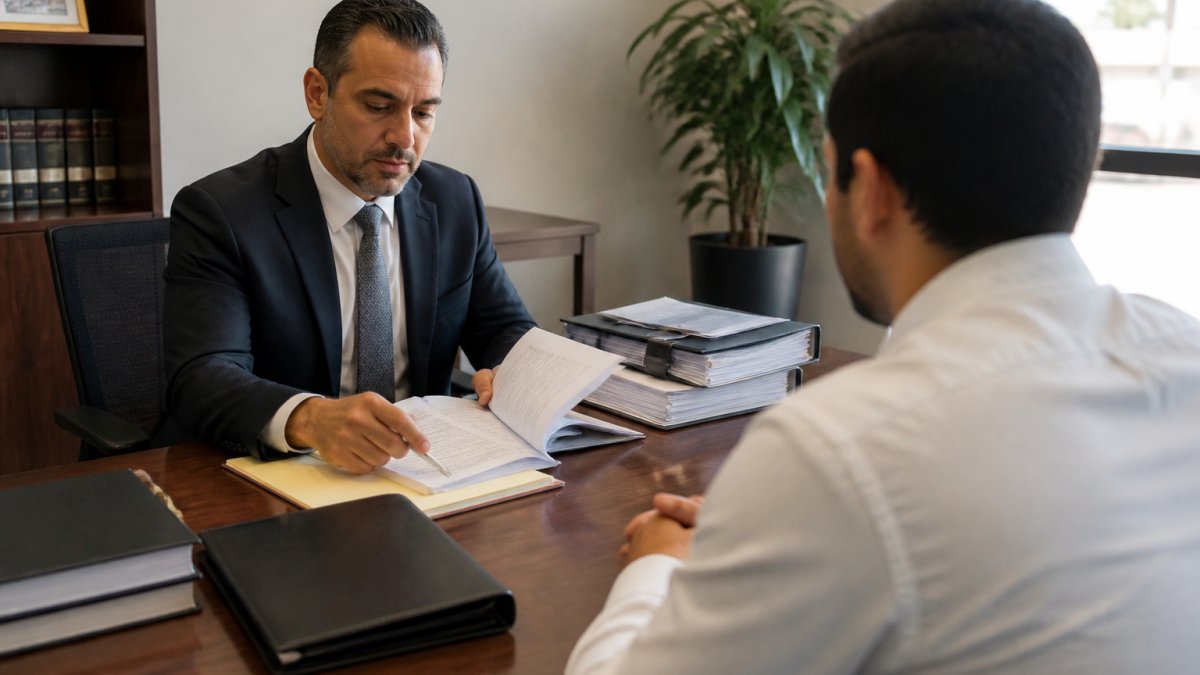
You need an attorney with specific experience in your type of charge, a DUI specialist may not be the best choice for a drug trafficking case. Ask directly: “How many cases like mine have you handled?
An attorney who has tried hundreds of cases understands prosecutor tactics, judge tendencies, and what evidence holds up in court, and has courthouse relationships that can open doors.
Evaluating Experience and Track Record
Ask about specific results: how many cases went to trial, how many ended in acquittals, dismissals, or favorable plea agreements, and what sentence reductions they achieved.
Ask about losses too. Every attorney loses cases; what matters is how they handle those losses. An attorney who can honestly discuss difficult cases demonstrates integrity and confidence.
Research the attorney’s reputation through client reviews (though unhappy clients post more often), check for state bar disciplinary history, and ask for references, then actually call them.
Consider whether the attorney has handled cases in your specific courthouse. Local attorneys know the judges, prosecutors, and court staff. They understand local procedures and tendencies.
Assessing Communication and Availability
You need an attorney who keeps you informed and accessible. Ask: “How often will you contact me? How quickly do you respond to calls and emails? Can I reach you after hours?”
Availability matters urgently. If you’re arrested on a Friday night, you need an attorney who can respond immediately, not Monday morning. Experienced Defense Attorney Los Angeles: How to Choose requires finding someone committed to your case around the clock.
Ask about their team: if they’re out of town or sick, who covers your case? A solo practitioner with no backup can leave you stranded; a firm with multiple attorneys ensures continuity. (Source: the American Bar Association’s guidance on choosing a criminal defense attorney)
Find an attorney whose communication style matches your needs, you’ll be working together intensely, and good communication is essential.
Consider these key factors when evaluating a criminal defense attorney for your case.
| Factor | What to Ask | Why It Matters |
|---|---|---|
| Experience | How many cases like mine have you handled? | Attorney with hundreds of trials understands prosecutor tactics and judge tendencies |
| Track Record | How many acquittals, dismissals, or favorable plea agreements? | Specific results demonstrate capability in your type of charge |
| Local Knowledge | Have you handled cases in this courthouse? | Local attorneys know judges, prosecutors, and court procedures |
| Availability | Can you respond immediately if arrested on a Friday night? | Urgent representation in first 24-48 hours is critical to your case |
| Communication | How often will you contact me and respond to calls? | Good communication is essential when working together intensely |
| Team Coverage | If you’re unavailable, who covers my case? | Multiple attorneys ensure continuity instead of being stranded |
Securing a Criminal Defense Lawyer Free Consultation
Most criminal defense attorneys offer free initial consultations. This is your opportunity to evaluate them without financial commitment. Use this time wisely.
What to Prepare Before Your Initial Consultation
Gather case documents, arrest report, citations, bail paperwork, court summons, charging documents, plus any evidence supporting your version of events: texts, emails, receipts, witness contacts, or medical records.
Write down questions: “What are the charges and potential penalties?” “What’s your experience with cases like mine?” “What’s your fee structure?” “How long will this take?” “What are my realistic options?”
Bring identification and be ready to discuss finances. Many attorneys offer payment plans, and some cases may qualify for a public defender if you cannot afford private counsel.
Be honest with your attorney. Confidentiality protects everything you tell them. Holding back information only hurts your case.
Bring a notebook to your consultation. Take notes on what the attorney says, their recommendations, and their fee structure. You’ll want to compare information if you’re meeting with multiple attorneys.
What Happens During Your Case Review
During your free consultation, the attorney will ask detailed questions about the alleged crime, your arrest, any statements you made, and any evidence you’re aware of, and will review the documents you brought.
The attorney will explain the charges, potential penalties, and the criminal process, discuss your options, trial, plea agreement, or dismissal, and give a preliminary assessment of your case’s strengths and weaknesses.
Ask about their experience, approach, and communication style. Pay attention to whether they listen, answer clearly, and treat you with respect, you need an attorney who takes your case seriously and explains things in plain language.
The attorney may not be able to give you a definitive answer about the outcome of your case during a free consultation.
Understanding Confidentiality and Attorney-Client Privilege
Everything you tell your attorney is confidential. Attorney-client privilege is a legal protection that keeps communications between you and your attorney private.
This privilege extends to conversations, emails, phone calls, and documents you share with your attorney. It also covers communications with your attorney’s staff, including paralegals and investigators working on your case.
The exceptions to privilege are narrow. Your attorney cannot help you plan a future crime.
Because of privilege, How to Communicate With Your Defense Attorney becomes a safe space to be completely honest. You can discuss anything related to your case without fear that it will be used against you.
Do not discuss your case with anyone except your attorney. Conversations with family, friends, cellmates, or other inmates are not confidential. Anything you say can be used against you.
What Happens After Your Free Case Evaluation
After your consultation, you’ll need to decide whether to hire this attorney. If you want to move forward, you’ll sign a representation agreement and pay any required retainer or fees.
Once you hire an attorney, they immediately begin working on your case. They’ll request discovery from the prosecution, all the evidence they have against you. They’ll investigate your case, interview witnesses, and review police reports.
Your attorney will keep you informed about developments in your case and discuss strategy with you.
If you cannot afford a private attorney, you may qualify for a public defender. Public defenders are provided by the state. Ask the court about public defender eligibility if cost is a barrier.
The hours and days after your arrest are critical. We offer personalized legal strategies tailored to your specific situation and aggressive representation designed to protect your freedom and future. Contact us today for a free case evaluation and let us show you why we’re the criminal defense representation you need.
Frequently Asked Questions
What should I do immediately after an arrest?
After an arrest, remain calm and exercise your right to remain silent. Do not answer questions without an attorney present. Ask for a lawyer immediately and provide only your name and basic identifying information. Contact a criminal defense attorney or request a public defender. Avoid discussing your case with police, cellmates, or anyone who may report to authorities. Your first priority is securing legal representation to protect your legal rights and ensure fair treatment.
How quickly should I contact a criminal defense lawyer after facing charges?
Contact a criminal defense attorney as soon as possible after an arrest or when you learn charges may be filed. Early intervention allows your lawyer to review case facts, understand the charges and penalties you face, and develop a defense strategy before your arraignment. Many attorneys, including those available 24/7, can provide immediate legal help and guidance. The sooner you secure representation, the sooner your attorney can protect your rights and explore all legal options available to you.
What is attorney-client privilege, and how does it protect me?
Attorney-client privilege is a legal right that keeps your confidential communications with your criminal defense attorney private. Anything you tell your lawyer during your case review or consultation cannot be shared with prosecutors, police, or used against you in court proceedings. This confidentiality encourages you to be completely honest about case facts and circumstances so your attorney can build the strongest defense strategy. This protection begins when you consult with an attorney, even during a free initial consultation, and continues throughout your legal representation.
How do I compare criminal defense attorneys after multiple consultations?
After your free case evaluation with each attorney, assess their experience with charges similar to yours, their communication style, and availability. Compare how each lawyer explained potential outcomes and their defense strategy approach. Ask about fees and billing arrangements. Choose an attorney who demonstrates aggressive defense strategies, listens to your concerns, and makes you feel confident in their ability to protect your future and minimize potential penalties.
