
Table of Contents
- Why Clear Communication With Your Defense Attorney Matters
- What to Tell Your Defense Attorney From the Start
- Calling or Emailing Your Attorney: Best Practices
- How Often to Contact Your Lawyer
- Questions to Ask a Criminal Defense Lawyer
- Preparing for Your First Meeting
- Understanding Attorney-Client Privilege and Confidentiality
- What to Do When Communication Breaks Down
- Frequently Asked Questions
Last Updated: October 16, 2026
Why Clear Communication With Your Defense Attorney Matters
The ability to communicate with your defense attorney effectively can make the difference between a strong defense and a weak one. When you communicate with your defense attorney clearly and honestly, your attorney can build the strongest possible case. Poor communication often leads to missed opportunities, misunderstandings about strategy, and delayed responses to critical deadlines. (Source: attorney-client privilege)
Your attorney needs complete information to protect your rights. The more your defense attorney knows about your case, the better equipped they are to anticipate challenges and prepare counterarguments. Many clients don’t realize that what they share with their attorney is protected by attorney-client privilege, meaning those conversations cannot be used against you in court.
Your attorney cannot help you if they don’t know the full story. Share details you think are minor or embarrassing. Your defense attorney’s job is to help you, not judge you. Anything you tell them stays confidential.
What to Tell Your Defense Attorney From the Start
Your first conversations with your defense attorney set the foundation for your entire case. You must be honest and thorough. Holding back information now creates problems later, sometimes at trial when it’s too late to prepare.
Share the complete timeline and details of events
Walk your attorney through exactly what happened, moment by moment. Start before the incident occurred. Include what you were doing, who was present, what was said, and what actions took place. Your defense attorney needs to know the sequence of events so they can identify weaknesses in the prosecution’s timeline.
Provide specific dates, times, and locations. If you’re unsure about exact times, say so. Your attorney will help you establish a clearer timeline. Include details about the weather, lighting, and other environmental factors that might have affected what happened.
Write down names and contact information for any witnesses. Even if you’re not sure whether someone will help your case, share their information. Your attorney can evaluate whether they should be contacted. Include both people who support your account and those who might testify against you.
Be honest about police questioning and any statements you made
Tell your attorney exactly what happened during any police interaction. Did officers read you your rights? How long did they question you? What did they ask? What did you say?
If you made a statement to police, written or recorded, your attorney needs to know this immediately. Bring any documents or recordings. If you confessed or made admissions, even partial ones, disclose them now. Your attorney cannot be blindsided by evidence the prosecution introduces later.
Explain your mental state during questioning. Were you tired, intoxicated, or under the influence of medication? Did you understand your rights? These factors can affect whether statements are admissible in court.
Provide all documents and evidence
Gather everything related to your case and give it to your attorney. This includes:
- Police reports and arrest records
- Text messages, emails, or social media posts related to the incident
- Photos or videos from the scene
- Medical records if injury is involved
- Receipts, financial records, or other documentation
- Witness contact information and statements
- Any prior communications with the prosecution or police
Don’t filter or decide what’s important. Your attorney will evaluate what matters. A document you think is irrelevant might be crucial to your defense.
Deleting evidence or asking someone else to delete it can result in additional charges for obstruction of justice. Preserve everything, even if it seems damaging. Your attorney needs to know what exists so they can address it strategically.
Calling or Emailing Your Attorney: Best Practices
Choose the right communication channel
Email is often the best way to communicate with your attorney for non-urgent matters. Email creates a written record of what you discussed. It also gives your attorney time to research before responding. Keep emails organized and specific. One topic per email works better than mixing multiple issues.
Phone calls work best for urgent matters or complex discussions. If you call and reach voicemail, leave a clear message with your name, case number, and reason for calling. Keep messages brief and specific.
Many attorneys use secure client portals or messaging systems. Ask your attorney which methods they prefer. Some communications may need to happen through secure channels for confidentiality reasons.
Keep your messages organized and specific
Start each communication with your case number or case name. This helps your attorney’s office route your message correctly.
Be clear about what you need. Instead of “I need to talk about my case,” try “I need clarification on the court date for my preliminary hearing” or “I received a letter from the prosecutor and have questions about the offer.”
Provide context without rambling. If you’re asking a question, include relevant background. If you’re sharing information, organize it logically.
Write your message, then read it again before sending. Remove unnecessary details and clarify confusing sections. A clear five-sentence email gets a faster response than a rambling ten-paragraph message.
How Often to Contact Your Lawyer
The frequency of contact depends on where your case stands. Early in your case, more frequent communication is normal. As your case progresses, contact may decrease unless new developments occur.
During the investigation phase, your attorney may request information regularly. Answer requests promptly. Delays in providing documents or information can slow your case.
Once your attorney has gathered information and developed strategy, communication may become less frequent. Your attorney will contact you about court dates, deadlines, and significant developments. Do not assume silence means nothing is happening. Your attorney is likely working behind the scenes.
Contact your attorney if something significant happens. A new charge, a change in your employment, a witness coming forward, or contact from the prosecution all warrant immediate communication.
Do not contact your attorney multiple times daily with minor questions. Excessive contact slows down your case and increases legal costs. Save non-urgent questions and ask them during scheduled meetings or calls.
Questions to Ask a Criminal Defense Lawyer
Understanding your attorney’s strategy and experience
Ask your attorney about their experience with cases like yours. How many similar cases have they handled? What were the outcomes? This helps you understand whether your attorney has relevant expertise.
Ask about the prosecution’s likely strategy. What charges are they most likely to pursue? What evidence will they emphasize? Understanding their approach helps you prepare.
Questions to ask a criminal defense lawyer should include details about costs. Ask about what costs are included and what might be extra.
Ask about confidentiality. What is attorney-client privilege? What conversations are protected? What happens if someone else is present during your conversation?
Clarifying case timeline and next steps
Ask when your next court appearance is. What will happen at that hearing? What should you expect?
Ask about discovery. What evidence will the prosecution share? When will you receive it? Understanding the discovery process helps you prepare.
Ask what you should and should not do. Should you avoid certain people? Should you stay away from specific locations? Are there restrictions on your employment or travel?
Ask about plea options. What offers might the prosecution make? What are the advantages and disadvantages of accepting a plea versus going to trial?
Preparing for Your First Meeting
Arrive early and bring documentation. Gather everything related to your case, arrest paperwork, police reports, any correspondence from the prosecution, and contact information for witnesses.
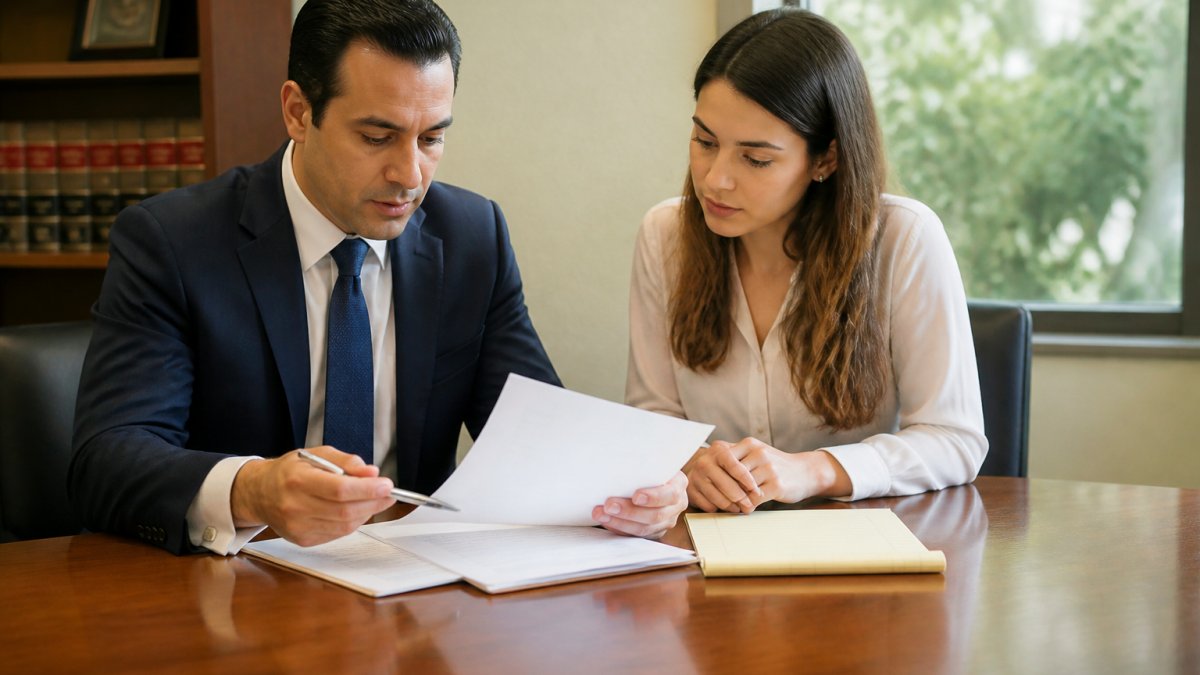
Write down your account of events before the meeting. Include dates, times, locations, and names. This helps you communicate clearly and ensures you don’t forget important details.
Prepare a list of questions. What do you want to know about your charges? What are your options? What should you do to protect yourself?
Dress professionally and speak respectfully. Your attorney is your advocate, but they also need to assess your credibility. How you present yourself matters.
Bring identification and any insurance information if relevant. Ask about fees and payment arrangements. Understand what your attorney will do and what timeline to expect.
Be prepared to discuss your background. Your attorney may ask about your employment, family situation, education, and any prior criminal history. This information helps them understand you and your case better.
Understanding Attorney-Client Privilege and Confidentiality
Attorney-client privilege protects conversations between you and your attorney. This means your attorney cannot be forced to reveal what you tell them. This protection is fundamental to your defense.
The privilege applies to communications with your attorney and their staff. It covers conversations, emails, letters, and documents you share with your attorney for the purpose of getting legal advice.
The privilege does NOT apply if you share information with others present in the conversation. If a friend sits in during your meeting, the privilege may be compromised. Tell your attorney who will be present and ask whether it’s appropriate.
The privilege does NOT protect information you share with others. If you tell a friend, family member, or coworker details about your case, those people can be forced to testify about what you said.
Your attorney cannot share your information with the prosecution without your permission, except in limited circumstances. If you admit to a future crime or pose a danger to someone, your attorney may have obligations to report.
Everything you tell your defense attorney stays confidential. This is your protection. Use it fully. Share everything, even information you think helps the prosecution. Your attorney needs the complete picture.
What to Do When Communication Breaks Down
If your attorney is not responding to your calls or emails within a reasonable timeframe, address it directly. Call the office and ask when you can expect a response. Explain the urgency if applicable.
If you don’t understand your attorney’s advice or strategy, ask for clarification. Your attorney should be able to explain legal concepts in plain language. If they can’t or won’t, that’s a problem.
If you believe your attorney is not adequately preparing your case, express your concerns. Ask what work they’ve done. Ask about their strategy.
If problems persist, consider requesting a new attorney. You have the right to change your legal representation.
Document communication problems. Keep records of when you tried to contact your attorney and when you received responses.
| Communication Issue | First Step | Next Step |
|---|---|---|
| Delayed responses | Call office directly | Request callback timeline |
| Unclear strategy | Ask for explanation | Request written summary |
| Lack of preparation | Ask what work has been done | Request detailed case plan |
| Fundamental disagreement | Discuss concerns directly | Consider changing attorneys |
Communicating effectively with your defense attorney is one of the most important things you can do for your case. Share everything honestly, respond promptly to requests, and ask questions when you don’t understand.
Frequently Asked Questions
What information should I share with my defense attorney?
Share everything relevant to your case: the complete timeline of events, details about police questioning and any statements you made, all documents and evidence, witness names and contact information, and any prior interactions with law enforcement. Honesty is critical, your attorney needs accurate facts to build the strongest defense strategy. Attorney-client communications are protected by privilege, meaning what you tell your attorney remains confidential.
How often should I expect to hear from my defense attorney?
Communication frequency depends on your case stage and urgency. Early in your case, expect regular contact as your attorney gathers information and develops strategy. As the case progresses, contact may vary based on court deadlines, discovery deadlines, and case developments. Ask your attorney during your first meeting what communication schedule to expect and how to reach them for urgent matters.
Is it better to call or email my attorney?
Use email for non-urgent matters, questions requiring documentation, and detailed information you want recorded. Call for urgent issues, immediate legal advice, or sensitive matters requiring discussion. Email creates a written record of your communication, which can be helpful for tracking case progress. However, phone calls allow for real-time clarification and faster responses. Ask your attorney their preferred contact method during your initial consultation and whether they have specific hours for phone calls.
What should I do if I cannot reach my defense attorney?
First, check whether you’re contacting them during business hours or if a deadline is approaching. Leave a detailed voicemail or email explaining the urgency and nature of your concern. If you still cannot reach them within 24 hours for non-emergency matters or immediately for urgent issues, contact their office to ask about their availability or whether another attorney in the firm can assist. If communication remains unresponsive, document your attempts and consider discussing the issue directly with your attorney at your next meeting or consultation.