
Table of Contents
- Understanding How Criminal Charges Affect Your Professional License
- Immediate Actions in the First 24-72 Hours
- Reporting Criminal Charges to a Licensing Board
- Licensing Board Investigation After Arrest
- Coordinating Criminal Defense With License Protection
- Professional License Reinstatement After Criminal Conviction
- Key Mistakes to Avoid During This Process
- Conclusion
- Frequently Asked Questions
Last Updated: October 15, 2026
Understanding How Criminal Charges Affect Your Professional License
A professional license criminal charge doesn’t automatically end your career, but it can trigger a separate licensing board investigation, and that’s where the real threat to your professional license emerges. At Naderi Law Office, Inc., we’ve guided professionals through this exact situation, and the outcome often comes down to how you respond in the first few days.
Here’s what matters: your criminal case and your licensing board case are two entirely separate proceedings. You can win one and lose the other.
The difference between arrest, charge, and conviction
An arrest happens when law enforcement takes you into custody based on probable cause. It doesn’t prove guilt. Many arrests never lead to charges.
A charge is a formal accusation filed by a prosecutor. It’s serious: it can trigger mandatory reporting to your licensing board even if you’re ultimately acquitted.
A conviction is a guilty verdict or guilty plea, and the only one that creates a permanent criminal record.
When a licensing board can take action
Licensing boards investigate based on arrest reports, charges, and convictions. Most can discipline licensees for conduct that reflects negatively on their fitness to practice, even if it isn’t directly related to their profession.
Some offenses trigger automatic reporting requirements; others give you discretion. But silence is never safe, if your board discovers you didn’t report an arrest or charge, that cover-up becomes grounds for discipline on top of the original conduct.
Immediate Actions in the First 24-72 Hours
The hours after an arrest are critical. What you do, and what you avoid, shapes everything that follows.
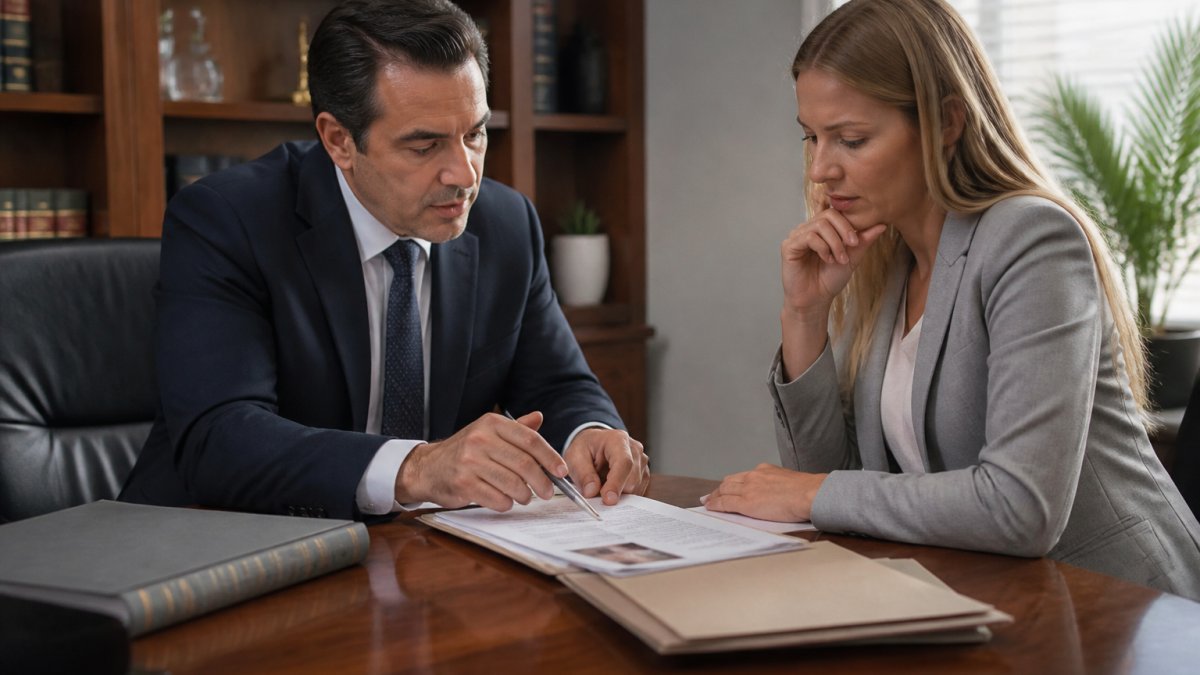
What to do and avoid right now
Do this immediately:
- Contact a criminal defense attorney within 24 hours, not after you’ve talked to your employer or licensing board. Everything you say after an arrest can be used against you.
- Request a copy of the arrest report and police records. Your attorney will do this, but it needs to happen fast.
- Document the facts while they’re fresh: what happened, who witnessed it, and any supporting evidence. Give this only to your attorney.
- Notify your professional liability insurance carrier if you have one. Most policies cover defense costs for licensing board proceedings.
- Secure your safety and stability. If you’re in custody, focus on bail or release; if released, follow all release conditions exactly.
Avoid doing this:
- Do not speak to anyone about the arrest except your attorney, not your employer, spouse, or friends. Social media posts, texts, and casual conversations can all become evidence.
- Do not contact the alleged victim or any witnesses. This can be treated as witness intimidation or obstruction and will destroy your credibility with the licensing board.
- Do not resign from your position or surrender your license voluntarily. That looks like an admission and removes your ability to negotiate.
- Do not assume your employer will find out on their own. But also don’t volunteer information. Let your attorney advise you on disclosure timing.
- Do not delay reporting to your licensing board if you’re legally required to do so. Self-reporting, even when the news is bad, is far better than having the board discover it from law enforcement.
Securing legal representation early
Your criminal defense and licensing board defense must be coordinated from day one. You don’t need two attorneys, but your criminal defense attorney must understand that protecting your professional license is part of the goal.
When you hire an attorney, ask directly: “Do you have experience protecting professional licenses in parallel with criminal defense?” If not, find someone who does. A criminal defense win that leaves your license exposed is only half a victory.
Your attorney should immediately begin assessing:
- Whether the charges are likely to be dismissed or reduced
- Whether the conduct is practice-related or unrelated to your profession
- What your licensing board’s typical response is to this type of charge
- Whether you have a mandatory reporting deadline
Reporting Criminal Charges to a Licensing Board
Most licensing boards require you to report a professional license criminal charge within a set timeframe. Some require reporting within 30 days. Others require it immediately. You need to know your board’s specific deadline, and you need to meet it.
Self-reporting requirements and deadlines
Your state licensing board sets its own reporting requirements. Some require reporting of all arrests; others only felonies or practice-related charges; a few only convictions.
Self-reporting is almost always better than waiting for the board to discover the charge from law enforcement.
Check your board’s website for the exact reporting requirement and deadline; if you can’t find it, call the board and document the date and the name of the person who answered.
What information the board requires
Most boards want:
- The date of arrest and charge
- The charges filed
- The court and case number
- A brief factual summary
- Your attorney’s contact information
- Your statement on whether the offense is related to your professional practice
Do not submit anything to the board without your attorney reviewing it first. The board will use your own words against you; your attorney will help you craft a truthful response that doesn’t concede more than necessary.
Licensing Board Investigation After Arrest
Once you report, or once the board learns of the charge, it will open an investigation. This is separate from the criminal investigation. It’s civil, not criminal, and it has its own timeline.
How boards investigate and what to expect
The board will request your personnel file, practice records, disciplinary history, and account of what happened. It may also interview witnesses, review police reports, and consult experts.
The board’s investigator is not your friend.
The investigation typically takes 3 to 6 months, though it can stretch longer if the board needs expert opinions or if the criminal case is still pending.
Your rights during the investigation process
You have the right to:
- Respond to the board’s requests for information
- Submit evidence in your favor
- Be represented by an attorney
- Receive notice of the charges against you
- Attend an administrative hearing if the board moves toward discipline
You do not have the right to cross-examine witnesses at the investigation stage, but you may have that right at a hearing. You also do not have the right to discovery, the board doesn’t have to give you all the evidence it’s gathered, but your attorney can request specific documents.
Coordinating Criminal Defense With License Protection
This is where most professionals stumble. They hire a criminal defense attorney who focuses only on beating the criminal case. That attorney negotiates a plea deal that gets the charges reduced, a huge win in criminal court, but the plea includes an admission that damages the licensing board case.
A coordinated strategy means your criminal defense and your licensing board defense are working toward the same outcome: protecting your license.
Why parallel legal strategy matters
Your criminal case and licensing board case have different rules, standards, and timelines, but they’re connected.
A strategic plea agreement might include language that preserves your licensing defense.
Without coordination, you end up with conflicting strategies. Your criminal attorney pushes for the quickest resolution. Your licensing attorney wants to delay and gather evidence. One wins, the other loses.
Criminal outcomes that protect your license
The best outcome is dismissal or acquittal.
A conviction is the hardest outcome. But even a conviction doesn’t automatically end your license. What matters is the nature of the offense and your response.
Some convictions are survivable. A misdemeanor conviction for a non-violent, non-dishonest offense, especially one unrelated to your profession, may result in probation rather than revocation.
Professional License Reinstatement After Criminal Conviction
If your license is suspended or revoked, reinstatement is possible, but it requires a deliberate strategy and evidence that you’ve addressed the underlying problem.
Reinstatement requirements and timelines
Most boards require a waiting period before you can even petition for reinstatement. This period is often 1 to 5 years, depending on the severity of the offense and the board’s rules.
After the waiting period, you petition the board for reinstatement. The board will consider:
- The nature and severity of the offense
- How long ago it occurred
- Your conduct since the offense
- Letters of support from colleagues or employers
- Evidence of rehabilitation or treatment
- Your statement on what you’ve learned
Reinstatement is not automatic. The board has discretion, and it often denies reinstatement the first time. You may need to petition multiple times over several years.
Presenting mitigating evidence to the board
Your evidence of rehabilitation is everything. This includes:
- Completion of treatment, counseling, or education programs
- Employment history showing steady, responsible work
- Letters from employers, colleagues, or mentors
- Community service or volunteer work
- A clear statement of what led to the offense and what you’ve done to prevent it from happening again
- Any evidence that the offense was an isolated incident, not a pattern
The board wants to see genuine change, not just the passage of time. If you were convicted of substance abuse, staying sober for five years and completing a treatment program matters. If you were convicted of dishonesty, a record of honesty and integrity over years matters.
Your attorney should help you assemble this evidence and present it in a way that’s compelling but not defensive. The board is looking for humility and genuine insight, not excuses.
Key Mistakes to Avoid During This Process
Mistake 3: Disclosing too much too early. Don’t volunteer information to the board before you understand the implications.
Mistake 5: Not gathering evidence while it’s fresh. Witness memories fade. Documents get lost.
Mistake 6: Ignoring board deadlines. Missing a reporting deadline or a response deadline can result in automatic discipline.
Mistake 7: Hoping the problem goes away. It won’t.
Conclusion
A criminal charge is a crisis for your professional license. But it’s not necessarily the end of your career.
Contact Naderi Law Office, Inc. today for a free case evaluation. We’ve helped professionals navigate this exact situation, coordinating aggressive criminal defense with a parallel strategy to protect your professional license. We’re available 24/7 to answer your questions and start building your defense immediately.
Frequently Asked Questions
Can a criminal charge affect my professional license before I’m convicted?
Yes. Many licensing boards can initiate discipline based on an arrest or criminal charge alone, without waiting for a conviction. Your board may begin an investigation immediately upon learning of charges. However, the severity of action typically depends on the nature of the charge and whether it relates to your profession. A professional license defense attorney can help you understand your specific board’s procedures and work to minimize early action while your criminal case proceeds.
What should I do immediately after an arrest if I hold a professional license?
Contact a criminal defense attorney within the first 24 hours. Do not speak to your licensing board, employer, or colleagues without legal guidance. Gather the arrest paperwork and charges. Check your board’s self-reporting requirements and deadlines, as many professions require notification within a specific timeframe. Work with your attorney to develop a coordinated strategy that protects both your criminal defense and your license. Delaying action can result in additional discipline from the board.
Do I have to report a criminal charge to my licensing board?
Most professional licensing boards require self-reporting of arrests and criminal charges. Requirements vary by profession and state, with typical deadlines ranging from 10 to 30 days. Failure to self-report can result in separate disciplinary charges. Your reporting must include the offense, charges, court information, and case status. A professional license defense attorney can ensure your disclosure is accurate, timely, and strategically framed to protect your interests while maintaining compliance with board rules.
Can I get my professional license back after a criminal conviction?
License restoration after conviction depends on the offense, your profession, and state law. Some convictions result in permanent revocation, while others allow reinstatement after a waiting period or upon meeting specific conditions. Reinstatement typically requires demonstrating rehabilitation, completing any probation, and showing fitness to practice. Evidence of character, community involvement, and professional rehabilitation strengthens your case. An attorney experienced in license defense can guide you through reinstatement procedures and present the strongest possible case to the board.
State licensing board regulations and disciplinary procedures
American Bar Association guidance on professional discipline and criminal charges
National Association of State Boards of Nursing resources on reporting requirements