
Table of Contents
- Why You Need a Criminal Defense Lawyer
- Types of Criminal Charges and Defense Strategies
- How to Choose a Criminal Defense Attorney
- What to Ask a Criminal Defense Lawyer During Consultation
- Cost of Criminal Defense Lawyer in California
- The Van Nuys Courthouse Process and Your Rights
- What to Do After an Arrest
- Frequently Asked Questions
Last Updated: October 2, 2026
Why You Need a Criminal Defense Lawyer
When facing criminal charges, your freedom, reputation, and future are at stake. A skilled criminal defense lawyer protects your constitutional rights, challenges the prosecution’s evidence, and fights for the best possible outcome. (Source: the U.S. Constitution’s Sixth Amendment)
After arrest, you’re overwhelmed and confused about the legal process. Without a qualified criminal defense attorney, you’re navigating a system designed by professionals, facing experienced prosecutors, and risking permanent life-altering consequences.
The prosecution has resources, experience, and institutional knowledge. A criminal defense lawyer levels the playing field by knowing the Van Nuys Courthouse, understanding local prosecutors, and spotting weaknesses in the case against you.
Types of Criminal Charges and Defense Strategies
Criminal charges require tailored defense approaches based on charge type and severity.
Misdemeanor vs. Felony Defense
Misdemeanors are less serious offenses punishable by up to one year in county jail (petty theft, simple assault, DUI with no injury). Felonies carry sentences exceeding one year in state prison (aggravated assault, drug trafficking, burglary, violent crimes).
Misdemeanor cases move faster and may resolve through plea negotiations or dismissal. Felony cases involve grand jury proceedings, extensive discovery, and higher evidentiary standards. A criminal defense lawyer handling a felony must prepare for trial through thorough investigation, witness depositions, and comprehensive defense strategy.
A misdemeanor conviction creates a criminal record affecting employment, housing, professional licenses, and immigration status. Aggressive defense can result in dismissal or reduction.
DUI and Traffic Offense Defense
DUI charges are highly defensible; many contain procedural errors, faulty breathalyzer results, or improper traffic stops that a skilled criminal defense lawyer can exploit.
DUI defense requires expertise in blood alcohol testing, field sobriety tests, and DUI science. Your attorney must evaluate whether the officer had probable cause, whether proper procedures were followed, and whether chemical testing was reliable.
DUI conviction consequences include license suspension, mandatory alcohol programs, expensive insurance increases, and a permanent criminal record. A criminal defense lawyer can challenge evidence, negotiate reduced charges, or argue for alternative sentencing.
Drug Crimes, Assault, and Theft Defense
Drug crimes range from possession to distribution and trafficking. Assault charges include simple assault, aggravated assault, and domestic violence. Theft crimes include shoplifting, burglary, robbery, and grand theft.
Each requires distinct defense strategies: drug charges (constitutional search violations, ownership disputes, entrapment), assault (witness credibility, self-defense, injury inconsistencies), theft (mistaken identity, lack of intent, permission).
How to Choose a Criminal Defense Attorney
Selecting the right criminal defense lawyer is one of the most important decisions you’ll make. The wrong attorney can cost you your freedom.
Track record is critical. Ask about success with similar cases, trial versus settlement rates, and dismissal/acquittal percentages.
Availability and communication matter. You need a lawyer who responds within 24 hours and keeps you informed with a clear communication plan.
Aggressive representation is essential. Your attorney should challenge the prosecution’s case at every stage, file motions to suppress evidence, and never accept weak deals just to close a case.
Cost transparency is non-negotiable. You should understand the fee structure upfront. Some attorneys charge flat fees for specific charges, others work on hourly rates, and some use retainer agreements.
The best criminal defense attorney combines local expertise, proven results, accessibility, aggressive tactics, and transparent fees. Don’t settle for less.
What to Ask a Criminal Defense Lawyer During Consultation
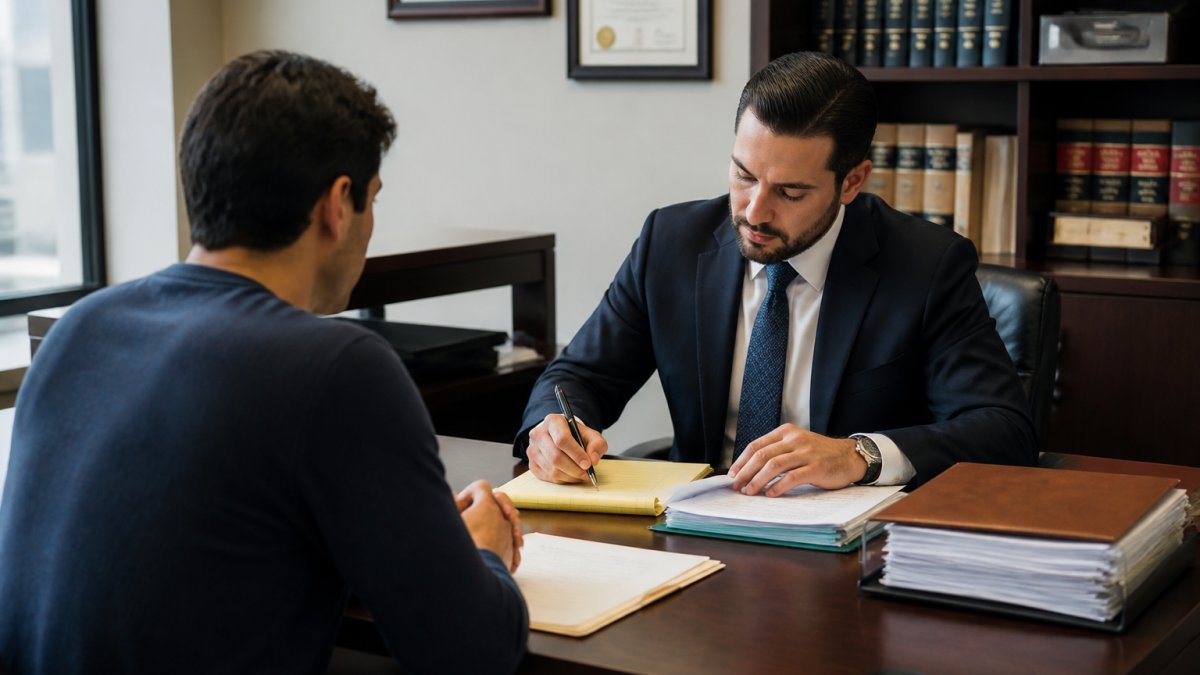
Your initial consultation with a criminal defense lawyer is your opportunity to evaluate whether they’re the right fit.
“What’s your experience with cases like mine?” Listen for specific examples. A vague answer (“I’ve handled lots of cases”) is worthless.
“How will you investigate my case?” Good lawyers don’t just rely on police reports.
“What are the potential outcomes?” Your attorney should explain best-case and worst-case scenarios realistically.
“How will we communicate?” Establish expectations. Ask about response times, how often they’ll update you, and how you’ll reach them.
“How much will this cost?” Get a clear fee structure in writing.
“What’s your success rate?” Ask directly.
These questions reveal whether your attorney has the expertise, experience, and communication style you need.
Cost of Criminal Defense Lawyer in California
Criminal defense representation costs vary significantly based on case complexity, attorney experience, and your location. Understanding the general landscape helps you make informed decisions about your defense investment.
Costs depend on several factors: the severity of charges (misdemeanor versus felony), whether your case goes to trial or settles, attorney experience level, and the specific details of your situation. A simple misdemeanor case handled by a less experienced attorney costs less than a serious felony case handled by a well-known trial lawyer.
Many criminal defense lawyers offer free initial consultations, which gives you the opportunity to discuss your case and fee structure before committing. Some charge flat fees for specific offense types, while others use hourly rates or retainer agreements.
Beware of attorneys who quote extremely low fees. Criminal defense requires thorough investigation, evidence review, and often expert witnesses. Underfunded representation typically produces poor results. Your freedom is worth the investment in quality legal counsel.
The cost of not having adequate representation, conviction, prison time, permanent criminal record, far exceeds the cost of hiring a skilled attorney. When you’re facing criminal charges, budget for quality defense as a non-negotiable priority.
The Van Nuys Courthouse Process and Your Rights
Understanding how the Van Nuys Courthouse operates helps demystify the legal process and shows why having a local criminal defense lawyer matters. The courthouse handles misdemeanor and felony cases for the San Fernando Valley area, and the process follows specific procedural steps.
Arraignment and Pre-Trial Motions
Your first court appearance is the arraignment. You’ll be informed of the charges against you, advised of your rights, and asked to enter a plea. Your criminal defense lawyer should be present to protect your interests. At arraignment, bail or release conditions are typically set.
After arraignment, the pre-trial phase begins. This is where your attorney files motions, requests to the court for specific rulings. Common motions include motions to suppress evidence (challenging whether evidence was legally obtained), motions to dismiss (arguing the charges should be dropped), and motions for discovery (requesting the prosecution’s evidence).
Pre-trial motions are where skilled criminal defense lawyers earn their value. They know which motions apply to your specific situation, how to frame them persuasively, and which judges are receptive to particular arguments.
Post-Conviction Relief and Expungement
If you’re convicted or plead guilty, your case doesn’t end. Post-conviction relief options exist, and expungement can protect your future.
Expungement is a process that allows you to clear or seal your criminal record under certain conditions. California law permits expungement of many misdemeanor and felony convictions after you’ve completed your sentence and met other requirements. An expunged record doesn’t disappear entirely, but it’s hidden from most employers, landlords, and the public.
Post-conviction relief also includes options like reducing felonies to misdemeanors, which carries significant benefits. A felony conviction affects professional licenses, voting rights, gun ownership, and employment prospects far more severely than a misdemeanor. Your criminal defense lawyer should discuss these options even after conviction, because your case may not truly be over.
What to Do After an Arrest
The hours and days immediately following an arrest are critical.
First: Exercise your right to remain silent. You have a constitutional right not to answer police questions. Use it.
Third: Don’t consent to searches. Police may ask to search your phone, your car, or your home.
Fourth: Document everything. Remember details about the arrest, officer names and badge numbers, what was said, what happened.
Fifth: Gather contact information for witnesses. If anyone witnessed what happened, get their names and contact information.
Sixth: Don’t post about your case on social media. Anything you post can be used against you.
Seventh: Prepare financially. Criminal defense representation costs money.
The first week after arrest sets the tone for your entire case.
Facing criminal charges is terrifying, but you don’t have to face it alone.
Frequently Asked Questions
Does it cost money to speak with a criminal defense lawyer for an initial case evaluation?
Many criminal defense lawyers, including Naderi Law Office, Inc., offer free initial consultations to evaluate your case. This allows you to discuss your charges, understand your options, and determine if the attorney is the right fit without financial obligation. However, representation beyond the consultation typically requires a retainer or fee agreement. Contact your chosen attorney directly to confirm whether an initial consultation is free.
What should I look for in a criminal defense attorney during a consultation?
During a consultation, assess whether the attorney listens to your specific situation rather than giving generic advice. Ask about their experience with cases similar to yours, their track record with outcomes, and how they communicate with clients. Evaluate their knowledge of local courts and procedures. A strong criminal defense lawyer should explain your options clearly, answer your questions directly, and demonstrate commitment to protecting your rights and minimizing penalties.
How do I evaluate the experience of a criminal defense lawyer?
Request information about the attorney’s years in practice, specific experience with your type of charge (misdemeanor, felony, DUI, etc.), and their success rate on similar cases. Ask whether they’ve handled cases in the specific courthouse where your case will be heard. Verify their standing with the State Bar of California and check for any disciplinary history. References from past clients and peer ratings through organizations like Super Lawyers can also help you assess credibility and experience.
What is the average cost of a criminal defense lawyer in California?
Criminal defense attorney fees vary widely based on case complexity, charge severity, and attorney experience. Retainers can range from a few hundred dollars for simple misdemeanors to several thousand for felony cases. Some attorneys charge hourly rates, while others use flat fees for specific services. Since pricing depends on your individual circumstances, contact Naderi Law Office, Inc. or other local attorneys for a free case evaluation and fee estimate specific to your situation.
How can a criminal defense lawyer help with expungement after conviction?
Post-conviction relief and expungement allow eligible individuals to clear or reduce criminal records under California law. A criminal defense lawyer can evaluate your eligibility, file the necessary motions, and advocate for record dismissal or reduction. Expungement removes conviction records from public view, protecting employment, housing, and professional license prospects. Your attorney will review the specifics of your case, including sentencing date and offense type, to determine the best path forward for clearing your record.