
Table of Contents
- Understanding DUI Defense: Core Principles
- Challenging DUI Stop Legality
- Field Sobriety Test Reliability and Challenges
- Challenging Breathalyzer Results and Chemical Testing
- Procedural Errors and Constitutional Violations
- Medical Conditions and Alternative Explanations
- Plea Bargaining and Post-Conviction Relief
- Building Your Defense Strategy
- Frequently Asked Questions
Last Updated: September 20, 2026
Understanding DUI Defense: Core Principles
A strong DUI defense begins with understanding DUI defense strategies and how every arrest involves multiple decision points where law enforcement must follow specific constitutional and procedural requirements. When an officer fails to meet these standards, the entire case can unravel. At Naderi Law Office, Inc., we identify where these failures occurred and use them to challenge the prosecution’s evidence.
The best defense against a DUI depends on the specific facts of your arrest, but it always starts with one critical question: Did the officer have reasonable suspicion to stop your vehicle in the first place? This foundational issue determines whether everything that followed, the field sobriety tests, the breathalyzer, the arrest itself, should even be admissible in court.
Most people don’t realize that DUI defense isn’t about proving innocence. It’s about holding the government to its constitutional burden of proof. If the prosecution can’t prove every element of the charge beyond a reasonable doubt, the case fails. This is where procedural errors become your strongest weapon.
The most overlooked defense strategy is challenging the initial traffic stop. Many cases are won before the prosecution ever presents its chemical evidence, simply by proving the stop itself was unconstitutional.
Challenging DUI Stop Legality
Law enforcement cannot pull you over without reasonable suspicion that you’ve committed a traffic violation or criminal offense. This is a constitutional requirement under the Fourth Amendment, and it’s the foundation of every DUI defense.
Reasonable suspicion requires specific, articulable facts, not hunches or stereotypes. An officer cannot stop your vehicle because it’s late at night, because you were leaving a bar, or because your car fits a vague description. The officer must observe specific conduct that suggests criminal activity. Weaving between lanes, failing to maintain a consistent speed, running a red light, or hitting a curb are examples of conduct that can justify a stop. Driving perfectly is not suspicious, no matter what time it is.
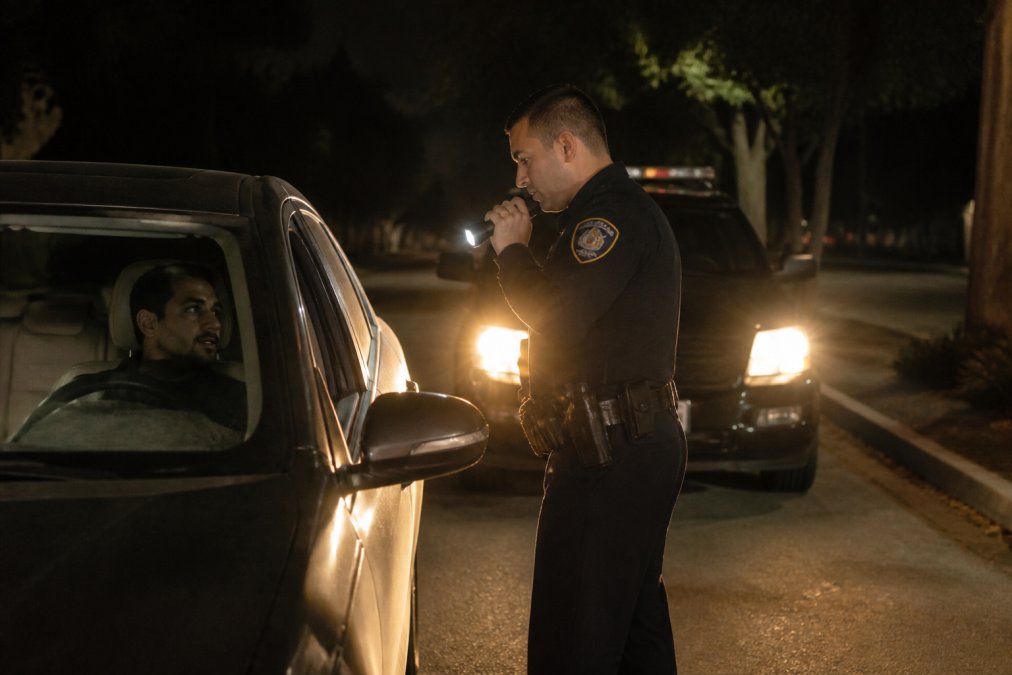
Reasonable Suspicion Requirements
Reasonable suspicion is a lower standard than probable cause, but it still requires objective facts. The officer’s subjective belief that you might be impaired is not enough. Courts examine whether a reasonable officer, given the same facts, would have suspected criminal activity.
Common justifications for stops include swerving, speeding, or equipment violations like a broken taillight. But here’s what many drivers don’t understand: the stop must be based on conduct observed before the officer approaches your vehicle. If the officer had no legitimate reason to stop you initially, everything discovered afterward, including statements you made and field sobriety test results, can be excluded from evidence.
Probable Cause for Arrest
Once an officer stops your vehicle, they need probable cause to make an arrest. Probable cause requires more than reasonable suspicion. The officer must have sufficient facts and circumstances to believe you were actually driving under the influence.
The critical moment is the interaction between the officer and you during the traffic stop.
If your traffic stop lacked reasonable suspicion, your entire arrest is vulnerable to a motion to suppress, which can result in dismissal of charges.
Field Sobriety Test Reliability and Challenges
Field sobriety tests are not chemical tests. They’re physical coordination exercises that officers use to gather evidence of impairment. The problem is that they’re notoriously unreliable, and courts increasingly recognize this weakness in DUI prosecutions.
Standardized Testing Procedures
The National Highway Traffic Safety Administration (NHTSA) established standardized procedures for administering field sobriety tests. If an officer deviates from these procedures, the test results become even less reliable and more vulnerable to challenge.
Common Factors Affecting Test Results
Field sobriety tests measure coordination and balance, not impairment. Many conditions can cause someone to perform poorly on these tests without any alcohol involvement. Medical conditions like inner ear problems, neurological disorders, or balance issues can cause failure. Fatigue, stress, and anxiety can affect performance. Even your shoes, the road surface, and weather conditions matter.
Many clients don’t mention physical conditions or injuries when performing field sobriety tests. If you have any balance issues, joint problems, or neurological conditions, tell your attorney immediately, these are critical to challenging test results.
Challenging Breathalyzer Results and Chemical Testing
Breathalyzer machines are machines, and machines require proper maintenance, calibration, and operation. A breathalyzer that hasn’t been calibrated recently, that’s been serviced incorrectly, or that’s operated improperly can produce unreliable results. This is where technical defenses become powerful. (Source: National Highway Traffic Safety Administration (NHTSA))
Calibration and Maintenance Records
Breathalyzer machines are only reliable if they’re properly maintained and calibrated. Courts require the state to produce calibration records, maintenance logs, and quality control documentation. If the state cannot produce these records, or if they show that the machine was not properly maintained, the breathalyzer results should be excluded.
Rising Blood Alcohol Defense
The rising blood alcohol defense is based on a straightforward scientific principle: your blood alcohol concentration continues to rise after you stop drinking. If you consumed alcohol shortly before driving, your blood alcohol concentration may have still been rising when you were pulled over, even though it was higher when you took the breathalyzer test later.
Procedural Errors and Constitutional Violations
Law enforcement must follow specific procedures at every stage of a DUI investigation. Violations of these procedures can result in evidence being excluded or charges being dismissed entirely. Common procedural errors include failing to read Miranda rights before custodial questioning, conducting an unlawful search, or violating your right to counsel.
Procedural violations are often overlooked by defendants, but they’re frequently the strongest defense in a DUI case. Every step of the investigation must be documented and constitutional.
Medical Conditions and Alternative Explanations
Medical conditions can mimic impairment. Diabetes, epilepsy, acid reflux, and neurological disorders can all produce symptoms that look like intoxication, slurred speech, poor balance, confusion, or drowsiness. If you have any medical condition that could explain your appearance or behavior during the traffic stop, this becomes a powerful alternative explanation to impairment.
Plea Bargaining and Post-Conviction Relief
Not every DUI case goes to trial. Sometimes the evidence is strong, and negotiating a favorable plea agreement is the best outcome. An experienced attorney can negotiate reduced charges, alternative sentencing, or participation in diversion programs that might result in dismissal after successful completion.
Building Your Defense Strategy
Your DUI defense strategies depend on the specific facts of your case. Some cases are won by challenging the traffic stop. Others are won by attacking the reliability of field sobriety tests or breathalyzer results. Still others are won through procedural challenges or by presenting alternative explanations for your appearance or behavior.
Frequently Asked Questions
Can a DUI charge be dismissed due to an improper traffic stop?
Yes. If law enforcement lacked reasonable suspicion or probable cause to stop your vehicle, the stop itself may be deemed unconstitutional. Under the Fourth Amendment, police must have a legitimate reason to initiate a traffic stop. If the stop was illegal, evidence gathered during that stop, including field sobriety tests, breath tests, and statements, may be excluded from trial, potentially leading to dismissal. Challenging DUI stop legality is one of the strongest defense strategies available.
How does breathalyzer calibration error affect a DUI case?
A breathalyzer that is not properly calibrated or maintained can produce inaccurate results. If maintenance records show the device was not calibrated according to manufacturer specifications or regulatory standards, the reliability of your breath alcohol concentration reading becomes questionable. When challenging breathalyzer results, defense attorneys request calibration records, maintenance logs, and operator certification to demonstrate potential equipment failure. This evidence can be critical in court.
What role does field sobriety test accuracy play in DUI defense?
Field sobriety tests are subjective and influenced by many variables unrelated to impairment. Factors like poor lighting, uneven road surfaces, physical disabilities, fatigue, and anxiety can all affect performance. Field sobriety test reliability is questionable because standardized tests like the horizontal gaze nystagmus (HGN), walk-and-turn, and one-leg stand are not scientifically perfect predictors of intoxication. An experienced defense attorney can challenge the administration and interpretation of these tests.
What are common procedural errors that lead to DUI case dismissals?
Procedural errors include failure to read Miranda rights, improper chain of custody for blood samples, lack of probable cause for arrest, failure to offer a breath or blood test option, and violations of your right to contact an attorney. Police must follow strict protocols during investigation and testing. When these procedures are not followed correctly, evidence may be suppressed, and charges can be dismissed. Procedural violations are a key component of any strong DUI defense.
Is it possible to challenge blood alcohol concentration results?
Yes. Blood tests can be challenged through several methods: questioning the chain of custody, examining lab procedures and certifications, reviewing the technician’s qualifications, and analyzing whether proper protocols were followed during collection and testing. The rising blood alcohol defense argues that your BAC was below the legal limit at the time of driving, even if it exceeded the limit later when tested. Expert testimony and toxicology analysis are often used to challenge BAC results.
How can I protect my professional license during a DUI case?
Early legal intervention is critical. Certain professions face license suspension or revocation following DUI convictions. An experienced defense attorney can negotiate plea agreements, pursue dismissals, or seek alternative sentencing that may help preserve your license. Some jurisdictions offer diversion programs or reduced charges that avoid conviction. Contact your licensing board to understand specific requirements, and work with an attorney who has handled cases involving professional license protection.
What is the difference between plea bargaining and going to trial in a DUI case?
Plea bargaining involves negotiating with the prosecution to reduce charges or penalties in exchange for a guilty plea. Trial means contesting the charges in court with a judge or jury deciding guilt. Plea bargains often result in lower penalties and reduced uncertainty, but require admitting guilt. Trial offers the chance for acquittal but carries the risk of conviction on all charges. The best choice depends on the strength of the prosecution’s evidence and the specific circumstances of your case.