
Table of Contents
- Are Field Sobriety Tests Mandatory in California?
- Understanding the Difference Between FSTs and Chemical Tests
- California Implied Consent Law and Your Rights
- What to Do If Pulled Over for DUI
- Refusing a Breathalyzer Test: Consequences and Legal Implications
- Why You Should Decline Field Sobriety Tests
- Protecting Your Rights: Next Steps After a DUI Stop
- Frequently Asked Questions
Last Updated: September 2, 2026
Are Field Sobriety Tests Mandatory in California?
Field sobriety tests are not mandatory in California. When law enforcement pulls you over on suspicion of driving under the influence, you have the legal right to decline participation in field sobriety tests. This distinction is critical because many drivers don’t realize they can refuse, and accepting these tests often becomes the evidence prosecutors use to build their case against you.
The confusion stems from California’s implied consent law, which applies specifically to chemical tests like breathalyzers and blood tests, not to field sobriety tests. Understanding what’s actually mandatory versus voluntary can significantly impact your defense strategy and the outcome of your case.
Field sobriety tests are subjective performance-based evaluations that officers use to establish probable cause for arrest. They’re designed to measure your balance, coordination, and ability to follow instructions. But here’s what matters legally: they’re entirely voluntary, and declining them doesn’t automatically count as an admission of guilt or trigger automatic license suspension.
Understanding the Difference Between FSTs and Chemical Tests
The distinction between field sobriety tests and chemical tests is fundamental to your rights during a DUI stop. Field sobriety tests are the roadside assessments, the walk-and-turn, one-leg stand, and horizontal gaze nystagmus tests. Chemical tests are the breathalyzer, blood test, or urine test administered at the station or hospital after arrest.
California law treats these two categories completely differently. Field sobriety tests are voluntary exercises that you can decline without legal penalty. Chemical tests, by contrast, fall under California’s implied consent law. Once you’re arrested for DUI, refusing a chemical test triggers automatic administrative penalties, including license suspension.
The three standardized field sobriety tests that officers typically administer are the horizontal gaze nystagmus test (HGN), the walk-and-turn test, and the one-leg stand test. The HGN test involves following a moving object with your eyes to detect involuntary eye movement. The walk-and-turn requires you to walk a straight line, turn, and return. The one-leg stand asks you to stand on one foot while counting. All three are subjective, meaning the officer’s interpretation of your performance determines the result, not an objective measurement like a breathalyzer provides.
This subjectivity is crucial. Field sobriety tests are notoriously unreliable. Factors like uneven pavement, poor lighting, fatigue, medical conditions, age, and even nervousness can affect performance. An officer might interpret a stumble as impairment when it’s actually caused by an old knee injury or anxiety about the traffic stop itself. Chemical tests, while not perfect, at least provide a numerical result that’s harder to dispute in court.
California Implied Consent Law and Your Rights
California Vehicle Code Section 23612 establishes the state’s implied consent law, which applies to chemical testing only (leginfo.legislature.ca.gov). By obtaining a driver’s license in California, you’re deemed to have consented to submit to a chemical test if lawfully arrested for DUI. This consent applies to breath, blood, or urine tests, not to field sobriety tests.
The key word here is “lawfully arrested.” An officer must have probable cause or reasonable suspicion to make the stop and conduct the initial investigation. Reasonable suspicion is the lower standard used to justify the traffic stop itself, things like swerving, speeding, or erratic driving. Probable cause is the higher standard needed for arrest and typically comes after the officer’s observations during the stop, including field sobriety test performance or statements you make.
Here’s where the implied consent law becomes critical: once you’re arrested, refusing a chemical test carries serious consequences. Your license will be suspended administratively for at least one year if you refuse a breath test, and longer if you have prior DUI convictions. This suspension happens regardless of whether you’re ultimately convicted of DUI. It’s an administrative penalty, separate from any criminal case.
But field sobriety tests remain voluntary throughout. You can decline them at the roadside without triggering automatic license suspension. The officer may use your refusal as evidence of consciousness of guilt, but many defense attorneys recommend declining these tests precisely because they’re subjective and easily misinterpreted in court.
What to Do If Pulled Over for DUI
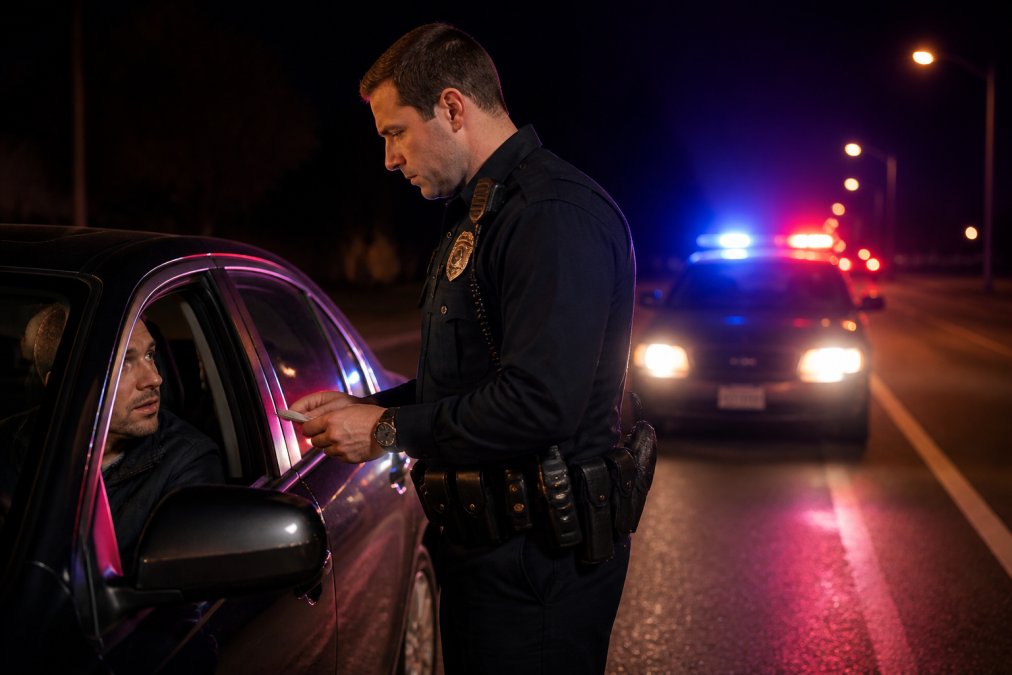
If you’re pulled over and the officer suspects impaired driving, your first action should be to remain calm and polite. Comply with lawful orders, produce your license, registration, and proof of insurance. Do not argue or resist. However, when the officer asks you to perform field sobriety tests, you can politely decline.
You might say something like: “I appreciate you doing your job, but I’d prefer not to perform field sobriety tests. I’d like to speak with an attorney.” This is your right, and it’s not an admission of guilt. The officer may continue with the investigation, but you’ve protected yourself from providing subjective evidence that could be used against you.
If the officer places you under arrest, which they may do based on other factors like your appearance, speech, or odor, they will read you your rights. At that point, you’ll be asked about submitting to a chemical test. This is where the implied consent law applies. Refusing a chemical test after arrest carries mandatory penalties, so the decision becomes more complex and depends on your specific circumstances and legal counsel.
During the traffic stop, keep your hands visible, speak clearly and calmly, and do not volunteer information. Anything you say can and will be used against you. If you’re asked questions about where you’ve been or whether you’ve consumed alcohol, you have the right to remain silent. Exercise that right politely: “I’d like to speak with an attorney before answering questions.”
Document everything you remember about the stop, the time, location, lighting conditions, officer’s name and badge number, weather, road conditions, and any statements the officer made. If there were witnesses, try to get their contact information. This information becomes valuable if your case goes to trial.
Refusing a Breathalyzer Test: Consequences and Legal Implications
Refusing a breathalyzer test after lawful arrest triggers California’s administrative license suspension under Vehicle Code Section 13353. Your license will be suspended for one year if it’s your first refusal (dmv.ca.gov). If you have prior DUI convictions or prior refusals, the suspension period extends to two or three years.
The suspension is automatic and happens through the Department of Motor Vehicles, not the criminal court. You have only 10 days from the date of arrest to request a hearing to contest the suspension (dmv.ca.gov). If you don’t request that hearing, your suspension takes effect automatically. This is a critical deadline that many people miss, so contacting an attorney immediately after arrest is essential.
Importantly, a refusal can also be used as evidence in your criminal DUI case. The prosecution may argue that your refusal demonstrates consciousness of guilt. However, a skilled defense attorney can challenge the validity of the refusal itself, for example, by arguing that the officer didn’t properly advise you of the consequences or that you weren’t actually given a reasonable opportunity to submit to the test.
The decision to refuse a chemical test is complex and depends on factors like whether you’ve consumed any alcohol, your prior driving record, and the specific circumstances of your stop. Some attorneys recommend refusal because a breath or blood test provides concrete evidence the prosecution can use. Others recommend submission because refusal carries automatic penalties. This is a decision you should make with your attorney’s guidance, not in the moment during a traffic stop.
If you refused a chemical test and were arrested, you need legal representation immediately. The administrative hearing process is separate from your criminal case, and missing deadlines can result in automatic license suspension without the opportunity to contest it.
Why You Should Decline Field Sobriety Tests
Field sobriety tests are designed to establish probable cause for arrest, not to measure impairment objectively. They’re voluntary, and declining them is a smart legal strategy for several reasons.
First, these tests are subjective. The officer administering them decides whether you passed or failed based on their interpretation of your performance. There’s no machine involved, no objective measurement. Two different officers might interpret the same performance differently. In court, the officer’s testimony about your performance becomes the evidence, and your explanation of what happened is secondary.
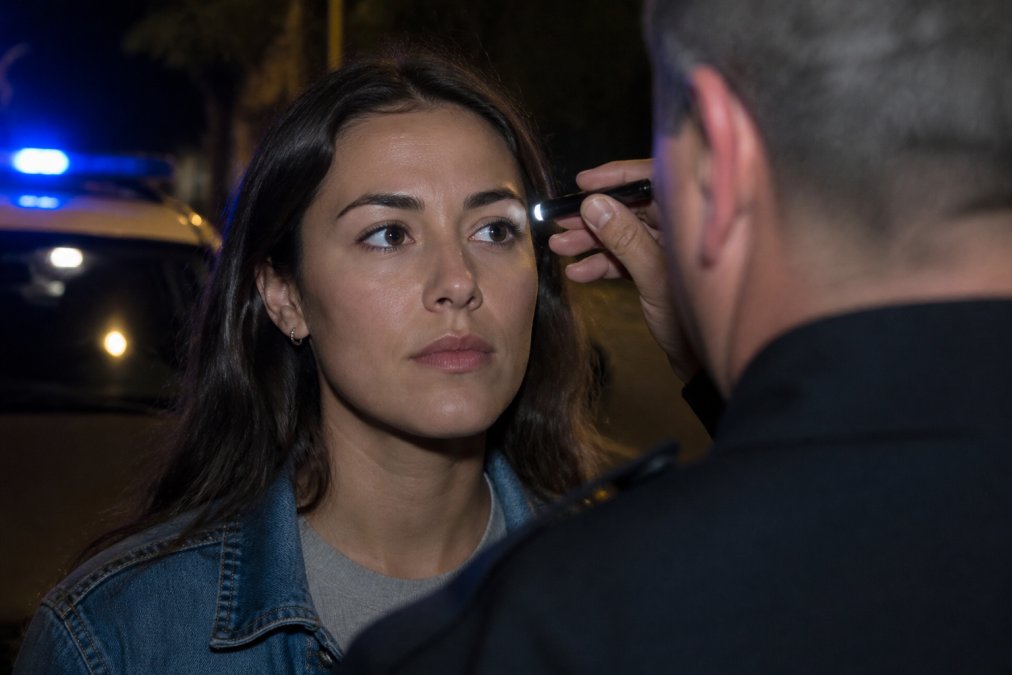
Second, many factors unrelated to impairment affect performance. Nervousness, fatigue, medical conditions, age, medications, and even the surface you’re standing on can impact your ability to perform these tests perfectly. An officer conducting the test at night on an uneven shoulder of the road isn’t creating ideal testing conditions. Yet they’ll still score your performance as though the conditions were controlled.
Third, declining field sobriety tests doesn’t trigger automatic penalties. Unlike refusing a chemical test, declining FSTs doesn’t result in license suspension. The officer may continue investigating through other means, asking you questions, observing your appearance and speech, smelling your breath, but you’ve avoided giving them subjective physical evidence to use against you.
Fourth, anything you say or do during field sobriety tests can be used against you. If you stumble, the officer notes it. If you hesitate or ask for clarification, the officer interprets it as impairment. If you perform perfectly, the officer might claim you were “too focused” or “overly cautious,” suggesting you were consciously compensating for impairment. There’s no winning scenario with these tests, they’re designed to generate evidence of impairment regardless of your actual condition.
Many experienced DUI defense attorneys recommend declining field sobriety tests as standard practice. You’re not required to perform them, and doing so only provides the prosecution with evidence they can use. Your refusal may be noted in the police report, but it’s far better than providing a video recording of yourself performing poorly on subjective tests.
Protecting Your Rights: Next Steps After a DUI Stop
If you’ve been arrested for DUI, your next steps are critical. Contact an attorney immediately, ideally before you speak with police beyond providing your basic identification. You have the right to counsel, and exercising that right early protects you.
Within 10 days of arrest, if you refused a chemical test or if your blood alcohol level was measured, you must request a DMV hearing to contest license suspension. Missing this deadline means your license suspension takes effect automatically. An attorney can file this request and represent you at the hearing.
Your criminal case and your administrative license case are separate. Winning one doesn’t automatically affect the other. You need a comprehensive defense strategy that addresses both the criminal charges and the license suspension.
When you contact Naderi Law Office, Inc., we provide a free case evaluation to assess your situation. We’ll review the police report, examine whether the officer had probable cause for the traffic stop, evaluate how field sobriety tests were administered if you performed them, and determine whether any of your rights were violated. We’ll also advise you on whether to contest the administrative license suspension and what your options are regarding the criminal charges.
Don’t delay. Every day that passes is a day closer to deadlines you need to meet. The sooner you have legal representation, the sooner we can begin protecting your rights and building your defense.
Being arrested for DUI creates immediate pressure and uncertainty. You’re facing potential jail time, license suspension, fines, and a criminal record that could affect your employment and future. The decisions you make in the hours and days after arrest, whether to perform field sobriety tests, whether to submit to chemical testing, whether to contest license suspension, have lasting consequences. Naderi Law Office, Inc. provides aggressive, experienced criminal defense representation designed to protect your freedom and minimize penalties. We’re available 24/7 to answer your questions and begin your defense immediately. Contact us today for a free case evaluation and take control of your situation.
Frequently Asked Questions
Can I refuse a field sobriety test in California?
Yes. Field sobriety tests are completely voluntary in California. You have the right to decline FSTs without legal penalty. However, refusing a chemical test (breathalyzer or blood test) after arrest carries serious consequences under California’s implied consent law, including automatic license suspension. The key distinction: FSTs are optional; chemical tests are not.
What are the consequences of refusing a breathalyzer test in California?
Refusing a chemical test after arrest triggers administrative per se penalties, including a mandatory license suspension (6 months to 3 years depending on priors) and increased criminal penalties if convicted. The refusal itself can be used as evidence of consciousness of guilt in court. Unlike field sobriety test refusal, chemical test refusal has severe legal consequences.
What should I do if pulled over for DUI?
Stay calm and polite. Provide your license, registration, and proof of insurance when asked. Do not volunteer information about drinking. You can decline field sobriety tests and say, ‘I do not consent to field sobriety tests.’ If arrested and asked to take a chemical test, consult an attorney immediately if possible, but understand that refusal carries automatic penalties. Request to speak with a lawyer before answering questions.
Is there a difference between field sobriety tests and chemical tests?
Yes, significantly. Field sobriety tests (horizontal gaze nystagmus, walk-and-turn, one-leg stand) are voluntary, subjective assessments performed roadside. Chemical tests (breathalyzer, blood test) are post-arrest, objective measurements of blood alcohol content. FSTs can be refused without penalty; chemical tests cannot be refused after arrest without triggering automatic administrative consequences under California’s implied consent law.
This article was written using GrandRanker