
Last Updated: October 22, 2026
Quick Summary
A free case evaluation is an initial consultation where a criminal defense attorney reviews your case facts, explains your legal options, and discusses defense strategies without charging a fee. This confidential meeting typically lasts 20 to 60 minutes and helps you assess whether to hire the attorney before making any financial commitment.
- Free case evaluations are completely confidential and protected by attorney-client privilege.
- Bring arrest documents, witness contact information, and employment details to make your consultation more productive.
- The evaluation covers charges, penalties, collateral consequences, and preliminary defense strategies but cannot predict case outcomes.
- Representation does not begin until you sign a written engagement agreement and pay any required retainer.
- Compare multiple attorneys on experience, communication, strategy, and fees before deciding to hire.
Table of Contents
- What Is a Criminal Defense Lawyer Free Case Evaluation?
- What to Bring to a Criminal Defense Consultation
- The Criminal Defense Case Evaluation Process
- Questions to Ask a Criminal Defense Lawyer
- Criminal Defense Attorney Consultation Checklist
- What Happens After Your Free Case Evaluation
- Schedule Your Free Case Evaluation Today
- Frequently Asked Questions
What Is a Criminal Defense Lawyer Free Case Evaluation?
A free case evaluation is an initial consultation where a criminal defense attorney reviews your case facts, explains your legal options, and discusses defense strategies without charging a fee, letting you assess fit before any financial commitment.
The attorney gathers information about your arrest, charges, and circumstances, then explains how the criminal justice system works, what to expect, and your legal rights. Many offer these confidentially, some 24/7.
At Naderi Law Office, Inc., we understand that being arrested is overwhelming. A free case evaluation gives you immediate access to experienced legal guidance, lets you ask questions, understand the severity of your charges, and learn what aggressive defense strategies might apply.
Free case evaluations are completely confidential. Anything you discuss with an attorney is protected by attorney-client privilege, meaning it cannot be used against you in court.
What to Bring to a Criminal Defense Consultation
Preparation makes your consultation more productive. Bring documents that help the attorney understand your case.
Start with arrest paperwork: the police report, arrest warrant, citation, or charging documents. If you were booked into custody, bring release paperwork or bail information. Prior criminal history is also relevant, since the attorney needs your background to assess how prosecutors might approach the case.
Gather contact information for witnesses who can support your version of events, names, phone numbers, and what each person saw or knows. For physical evidence like photos, videos, texts, or emails, bring copies or be ready to describe where they are.
Bring identification and information about your employment and finances, since the attorney may discuss payment arrangements or public defender eligibility. If you face multiple charges or have prior arrests, create a simple timeline of events leading up to your arrest.
Do NOT bring original evidence or documents that are part of an ongoing investigation. Bring copies only, and ask the attorney before handing over anything you’re unsure about.
The Criminal Defense Case Evaluation Process
A free case evaluation is not a miniature trial or a full case review.
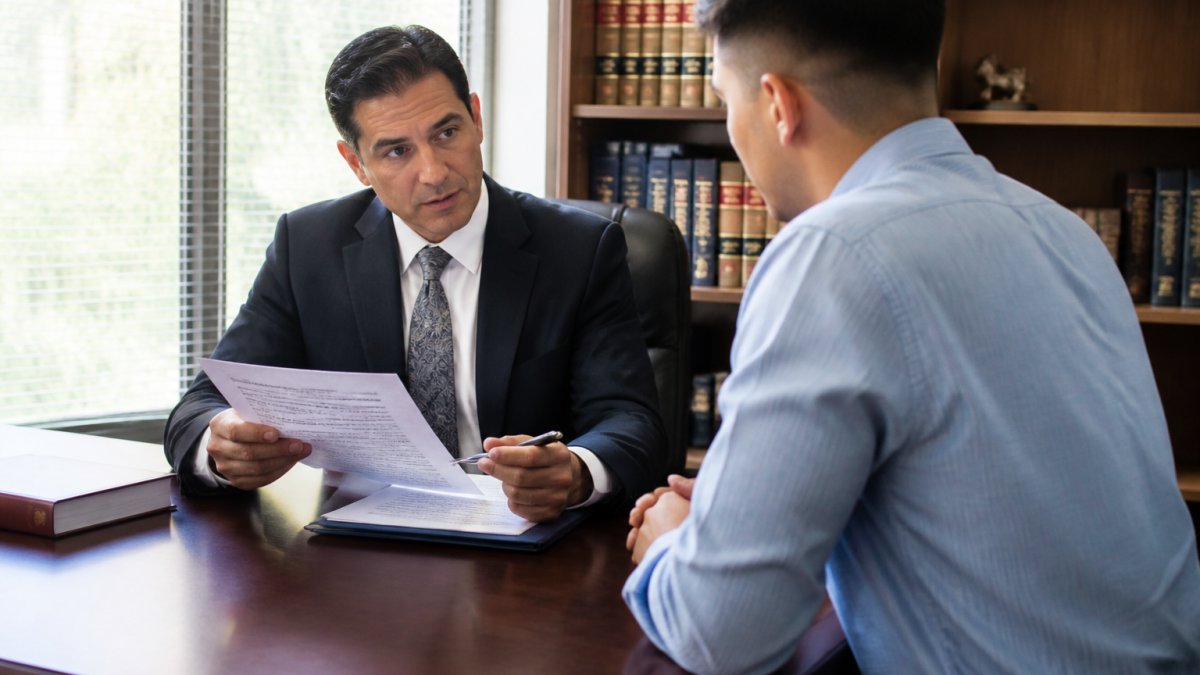
Stage 1: Intake and conflict check. The firm confirms your identity, contact information, and the basic charge or investigation.
Stage 2: Fact gathering. The attorney asks open-ended questions: what you were charged with, when and where the encounter occurred, what officers said, whether you made statements, whether a search occurred, and who else was present.
Stage 4: Preliminary strategy discussion. Based on your account, the attorney outlines defenses that may apply, suppression of evidence, challenge to the stop or arrest, insufficient proof of an element, identification issues, or negotiation toward reduced charges or diversion.
Stage 5: Next steps and decision points. The attorney explains upcoming court dates or deadlines, what you should and should not do in the meantime, and how representation would work.
A free evaluation cannot determine the outcome of your case. The attorney has not reviewed the prosecution’s evidence, has not spoken to witnesses, and has not researched every legal issue. Treat any prediction as an educated preliminary view, not a guarantee. Likewise, do not share sensitive details through unsecured web forms or text messages before the firm confirms it represents you, confidentiality protections are strongest once an attorney-client relationship exists.
What the evaluation can and cannot do
| Can determine | Cannot determine |
|---|---|
| The charges you face and their statutory penalties | Whether the prosecution can prove its case |
| Collateral consequences worth planning for | The strength of evidence the state has not yet disclosed |
| Categories of defense worth investigating | A reliable prediction of the outcome |
| Whether the attorney’s experience fits your charge | Whether a plea offer will be made or accepted |
| Estimated fee structure and next steps | A final fee quote before the case is reviewed |
Use the evaluation to understand your exposure, identify the facts that matter most, and decide whether you trust the attorney with your case, not to obtain a guaranteed result.
Questions to Ask a Criminal Defense Lawyer
Asking the right questions helps you evaluate whether an attorney can effectively defend you. Start with their experience on cases like yours: how many matters involving your specific charges have they handled, and what were the outcomes?
Ask about their defense philosophy: do they typically negotiate plea agreements, or prefer trial? Understanding their strategy helps you determine whether it aligns with your goals, some clients want aggressive trial preparation, others prioritize a quick resolution.
Inquire about communication and availability: how often will you hear from them, can you reach them directly or through a paralegal, and what is their response time for urgent questions?
Ask about fees and payment arrangements. While the initial evaluation is free, understand how they charge for ongoing representation, flat fee, hourly rate, or retainer, what’s included, and what costs arise separately. Clear fee discussions prevent surprises later.
Finally, ask what they need from you moving forward. What documents should you gather? What should you avoid doing before your next court date? A thorough attorney will give you specific action items that protect your case.
Criminal Defense Attorney Consultation Checklist
Use this checklist to prepare for your free case evaluation and ensure you cover all essential topics.
| Preparation Item | Purpose | Status |
|---|---|---|
| Arrest documents and police report | Attorney reviews charges and facts | ☐ |
| Timeline of events leading to arrest | Establishes context and sequence | ☐ |
| Witness contact information | Identifies potential defense support | ☐ |
| Photos, videos, or communications | Provides evidence for your version | ☐ |
| Employment and financial information | Determines payment options | ☐ |
| Prior criminal history (if any) | Attorney assesses prosecution strategy | ☐ |
| List of questions for attorney | Ensures you cover your concerns | ☐ |
| Identification | Confirms your identity | ☐ |
During the consultation, make sure the attorney addresses these topics:
- Specific charges and potential penalties
- Strengths and weaknesses of the prosecution’s case
- Possible defense strategies for your situation
- Timeline and critical deadlines in your case
- Communication and availability expectations
- Fees, retainer amounts, and payment terms
- Next steps and immediate action items
- Your legal rights as a defendant
The goal of your consultation is to leave with a clear understanding of your charges, realistic assessment of your case, and confidence in your attorney’s ability to defend you.
What Happens After Your Free Case Evaluation
What happens after the consultation matters as much as the meeting itself. The free evaluation is a screening step, not the start of representation.
The attorney-client relationship does not begin automatically. In most firms, representation starts only when you sign a written engagement or retainer agreement and, where required, pay the agreed fee or deposit.
Confidentiality before and after hiring. Communications with an attorney you consult in good faith about possible representation generally receive confidentiality protection, but the scope and limits vary, and privilege is strongest once representation begins.
Follow-up you should expect. A well-run firm typically follows up within one to several business days with a summary of next steps, a proposed engagement agreement, and a fee quote. Keep a simple log: date of consultation, attorney name, what was discussed, quoted fee structure, and any promised follow-up.
How to compare attorneys after multiple consultations. Consulting more than one attorney is normal and does not obligate you to hire any of them. Use neutral criteria rather than gut feeling alone:
- Relevant experience: How many matters involving your specific charge has the attorney handled, and in the court where your case is filed?
- Who will actually handle the case: Will the attorney you met personally appear, or will it be assigned to another lawyer or paralegal?
- Communication: How and how often will you receive updates, and who answers urgent questions?
- Strategy: Does the attorney’s approach, negotiation, motion practice, trial, fit your goals and the facts?
- Fee structure: Flat fee, hourly, or retainer; what is included; what costs (experts, investigators, filing fees) are billed separately.
- Realistic assessment: Did the attorney explain limits and uncertainties, or promise a result?
If you hire the attorney. Representation typically begins with obtaining the charging documents and discovery, calendaring every court date and deadline, and scheduling a longer strategy meeting. The attorney may file appearances, request discovery, investigate facts, and evaluate pretrial motions.
If you do not hire the attorney. You are under no obligation and should not feel pressured, but do not let the decision drift. Criminal cases move on fixed schedules, arraignment dates, preliminary hearing windows, motion deadlines, and speedy-trial rules, and missing them can foreclose options.
Before you leave any consultation, ask two questions: “What is the next court date or deadline in my case?” and “What should I do, and not do, between now and then?” The answers protect you while you decide.
The evaluation ends when you leave the office; representation begins when you sign. Compare attorneys on experience, communication, strategy, and fees, and decide before the next deadline, not after.
Schedule Your Free Case Evaluation Today
Your first step toward aggressive criminal defense is a confidential consultation with an experienced attorney. At Naderi Law Office, Inc., we’re available 24/7 to discuss your case and explain your legal options. We handle everything from misdemeanor charges to serious felonies, and we’re committed to protecting your freedom and future.
Don’t wait to seek legal representation. The decisions you make in the first days after an arrest significantly impact your case outcome. Contact us today for your free case evaluation.
We understand that facing criminal charges is frightening and uncertain. We’re here to provide the expert guidance and aggressive representation you need. Reach out to Naderi Law Office, Inc. right now, your consultation is free, confidential, and could be the most important call you make.
Getting arrested disrupts everything. You need a criminal defense attorney who understands the stakes and fights aggressively for your rights. Naderi Law Office, Inc. has the experience and availability to defend you effectively.
Frequently Asked Questions
What happens during a free criminal defense case evaluation?
During a free case evaluation, your attorney reviews the facts of your arrest, discusses the criminal charges you face, and explains potential outcomes. The lawyer examines police reports, evidence, and your account of events to assess your legal rights and defense options. This initial consultation allows you to understand the strength of the prosecution’s case and what strategy might work best for your situation. The evaluation typically covers bail or bond conditions, arraignment procedures, and next steps in the court proceedings.
Is a free case evaluation confidential?
Yes. Communications between you and a criminal defense attorney during a consultation are protected by attorney-client privilege. This means anything you discuss remains confidential and cannot be shared with prosecutors, police, or the court without your permission. This protection applies even before you formally hire the attorney. The confidentiality ensures you can speak openly about your case facts and circumstances without fear that your words will be used against you in court.
What should I bring to a criminal defense lawyer consultation?
Bring all documents related to your arrest and charges: the arrest warrant, citation, police report, bail paperwork, and any court notices. Include identification, contact information for witnesses, and a written timeline of events. If available, bring photos, text messages, or other evidence relevant to your case. Write down questions you want to ask beforehand. Bring information about your employment, professional licenses, and any prior criminal history. Having organized materials helps your attorney assess your case quickly and provide more accurate legal advice.
What should I do after a criminal defense lawyer evaluates my case?
After your evaluation, review the attorney’s assessment of your charges and potential outcomes. Compare notes if you consulted with multiple criminal defense lawyers to understand different defense strategies. Decide whether to retain the attorney based on their experience with cases like yours and your comfort level with their approach. If you hire them, provide any additional documents and information they request. If you don’t hire them, maintain confidentiality about what you discussed and move forward with your legal representation promptly, as court deadlines in criminal cases are strict.