
Table of Contents
- Is It Possible to Get a DUI Charge Reduced in California?
- Understanding the Wet Reckless Plea Bargain
- The California DUI Plea Deal Process
- Common DUI Defense Strategies That Work
- Factors Affecting DUI Sentencing and Charge Reduction
- Why Acting Quickly After Arrest Matters
- The Role of a Criminal Defense Attorney in Reducing Your Charge
- Conclusion
Last Updated: August 20, 2026
Is It Possible to Get a DUI Charge Reduced in California?
Yes, it is possible to get a DUI charge reduced in California through several legal avenues. A DUI charge reduced to a lesser offense can significantly impact your future, your employment, and your driving privileges. The key is understanding your options and acting quickly with competent legal representation.
Many people believe a DUI conviction is inevitable once arrested. This assumption is incorrect. California courts recognize that not every DUI case is prosecuted with equal strength. Weak evidence, procedural errors, or prosecutorial discretion can lead to charge reductions or dismissals. The difference between a conviction and a reduction often comes down to how aggressively your defense challenges the evidence.
At Naderi Law Office, Inc., we provide aggressive and experienced criminal defense representation for individuals facing charges in Los Angeles County. The most common reduction is from DUI to wet reckless, a plea that carries fewer penalties and doesn’t carry the same stigma as a DUI conviction. Understanding this process and acting immediately after your arrest dramatically improves your chances of success.
Understanding the Wet Reckless Plea Bargain
A wet reckless plea is a reduced charge that substitutes a standard reckless driving conviction for a DUI. The term "wet" refers to alcohol involvement, distinguishing it from a dry reckless (reckless driving with no alcohol component). This reduction is one of the most valuable outcomes in DUI defense because it avoids the mandatory minimum penalties associated with a DUI conviction.
The wet reckless carries no mandatory jail time, no required ignition interlock device installation, and typically lower fines than a DUI. Additionally, a wet reckless conviction does not count as a prior DUI for purposes of future sentencing enhancements. This means if you’re arrested again years later, prosecutors cannot use the wet reckless to enhance penalties as they could with a prior DUI conviction.
Prosecutors have discretion to offer this reduction, but they won’t do so without pressure. Your attorney must demonstrate that the evidence is weak, that the stop was improper, or that the breath or blood test is unreliable. Prosecutors are more likely to negotiate when they see a credible defense strategy that could result in acquittal.
Wet Reckless vs. Dry Reckless
Understanding the distinction between wet reckless and dry reckless is critical because they have different legal consequences. A wet reckless involves alcohol, while a dry reckless involves no alcohol at all. Many defendants don’t realize this difference until after they’ve accepted a plea.
A dry reckless is technically a better outcome because it avoids the alcohol-related label entirely. However, prosecutors rarely offer a dry reckless in DUI cases because it doesn’t acknowledge the alcohol component of the charge. A wet reckless is more realistic and still provides substantial benefits over a full DUI conviction.
The practical difference: a wet reckless still requires you to disclose alcohol involvement on job applications or professional license renewals, whereas a dry reckless does not. However, a wet reckless avoids the mandatory minimum jail time, DUI education programs, and the three-year probation period associated with a DUI conviction. For most defendants, the wet reckless represents the best realistic outcome.
The California DUI Plea Deal Process
The plea deal process in California DUI cases follows a structured timeline. Understanding each stage helps you and your attorney negotiate effectively. Most DUI cases resolve through plea agreements rather than trial, making this process critical to your outcome.
The first stage is the arraignment, where you appear in court and enter a plea. At this stage, your attorney should have already reviewed the police report, the breathalyzer calibration records, and the officer’s dashcam footage. Many weak cases become apparent at this early review stage.
The second stage is the pre-trial conference, where your attorney meets with the prosecutor to discuss the case. This is where plea negotiations typically occur. Your attorney presents the weaknesses in the prosecution’s case, improper stop procedures, breathalyzer equipment failures, or field sobriety test errors, to convince the prosecutor that a reduction is appropriate.
If negotiations stall, the case may proceed to trial. However, most prosecutors will offer a plea deal rather than risk an acquittal at trial. The threat of trial is often your strongest negotiating tool. When prosecutors believe you have a legitimate defense, they’re more willing to reduce charges.
The final stage is sentencing, where the judge imposes the agreed-upon penalties. In most wet reckless cases, judges accept the negotiated terms without modification.
Common DUI Defense Strategies That Work
Several defense strategies have proven effective at reducing DUI charges. These strategies focus on challenging the evidence that prosecutors rely on to secure convictions. Each strategy targets a specific weakness in how the arrest was conducted or how evidence was collected.
Challenging the Stop and Probable Cause
Police must have probable cause to stop your vehicle. Many DUI arrests begin with an invalid stop, which means all evidence collected afterward can be suppressed. If the officer stopped you without a legitimate traffic violation or without reasonable suspicion of impairment, your entire case may be dismissed.
Common problems with DUI stops include: the officer claiming you crossed the center line when dashcam footage shows you didn’t, the officer stopping you based on a broken taillight that wasn’t actually broken, or the officer making assumptions about impairment based on minor driving errors. These stops violate your constitutional right against unreasonable search and seizure.
Your attorney should file a motion to suppress evidence if the stop was improper. If the motion succeeds, the breathalyzer results, field sobriety tests, and any statements you made become inadmissible. Without this evidence, prosecutors often have no case and must dismiss or significantly reduce charges.
Questioning Field Sobriety Tests and Breathalyzer Calibration
Field sobriety tests are notoriously unreliable. The horizontal gaze nystagmus test, the walk-and-turn test, and the one-leg stand test are subjective and affected by numerous factors unrelated to impairment: fatigue, nervousness, medical conditions, poor lighting, and uneven surfaces all influence performance.
Breathalyzers must be properly calibrated and maintained according to strict protocols. If the device wasn’t calibrated within the required timeframe, if maintenance records are missing, or if the officer didn’t follow proper administration procedures, the results are unreliable. Many DUI charges are reduced or dismissed because the breathalyzer evidence doesn’t meet legal standards.
Your attorney should request the maintenance records, calibration certificates, and the officer’s training records. If these documents are missing or show improper procedures, the breathalyzer evidence can be challenged or excluded entirely.
Examining Evidence Chain of Custody
Blood samples must be properly collected, labeled, stored, and tested. Any break in the chain of custody, a sample mislabeled, stored at the wrong temperature, or tested by someone not certified to perform the test, can render the evidence inadmissible.
If the prosecution cannot prove every step of how your blood sample was handled from collection through testing, your attorney can challenge the reliability of the results. Chain of custody violations are common in DUI cases and frequently lead to evidence suppression.
Factors Affecting DUI Sentencing and Charge Reduction
Several factors influence whether prosecutors will reduce your charge and what penalties you’ll face. Understanding these factors helps your attorney build a stronger negotiating position.
Your criminal history is the most significant factor. A first-time DUI offender has much better chances of reduction than someone with prior DUI convictions. If you have no prior criminal history, prosecutors are more willing to negotiate because you’re not a repeat offender.
The blood alcohol concentration (BAC) level matters. A BAC of 0.08% (the legal limit) is treated differently than a BAC of 0.15% or higher. Higher BAC levels suggest greater impairment and make prosecutors less willing to reduce charges. A BAC just barely over the legal limit gives your attorney more use.
The circumstances of your arrest also matter. If you caused an accident, injured someone, or were driving with a suspended license, prosecutors will be less willing to reduce charges. Conversely, if you were pulled over at a checkpoint and showed minimal signs of impairment, reduction becomes more likely.
Whether you cooperated with the officer and submitted to testing affects negotiations. Refusing a breath or blood test creates additional charges and complicates your case, though it also prevents the prosecution from having chemical evidence.
Why Acting Quickly After Arrest Matters
The first 48 hours after a DUI arrest are critical. During this window, evidence is fresh, and your attorney can take immediate action to preserve your rights and build your defense. Waiting weeks or months before hiring an attorney allows evidence to disappear, witnesses’ memories to fade, and the prosecution’s case to solidify.

One of the most important actions your attorney can take immediately is requesting the officer’s dashcam and bodycam footage. These videos often reveal whether the stop was valid, whether the field sobriety tests were administered properly, and what your actual behavior and speech were like at the scene. Video evidence can be incredibly powerful in negotiations.
Your attorney should also request the blood or breath test results and the maintenance records for the testing equipment. If records are incomplete or show improper procedures, your attorney needs to document this immediately while the information is still accessible.
Additionally, California law allows you to request a DMV administrative hearing within 10 days of your arrest. This hearing is separate from your criminal case and determines whether your driver’s license will be suspended. Your attorney must file this request promptly or you lose the right to challenge the suspension. Many people don’t realize this deadline exists until it’s too late.
The first few days after arrest are also the best time to gather evidence of your character, employment history, and any mitigating circumstances. If you have a stable job, community ties, or medical conditions that could explain certain test results, your attorney needs to document these facts early.
The Role of a Criminal Defense Attorney in Reducing Your Charge
A criminal defense attorney’s primary role is to challenge the prosecution’s evidence and negotiate on your behalf. This requires deep knowledge of DUI law, the ability to identify weaknesses in police procedures, and the credibility to convince prosecutors that you have a viable defense.
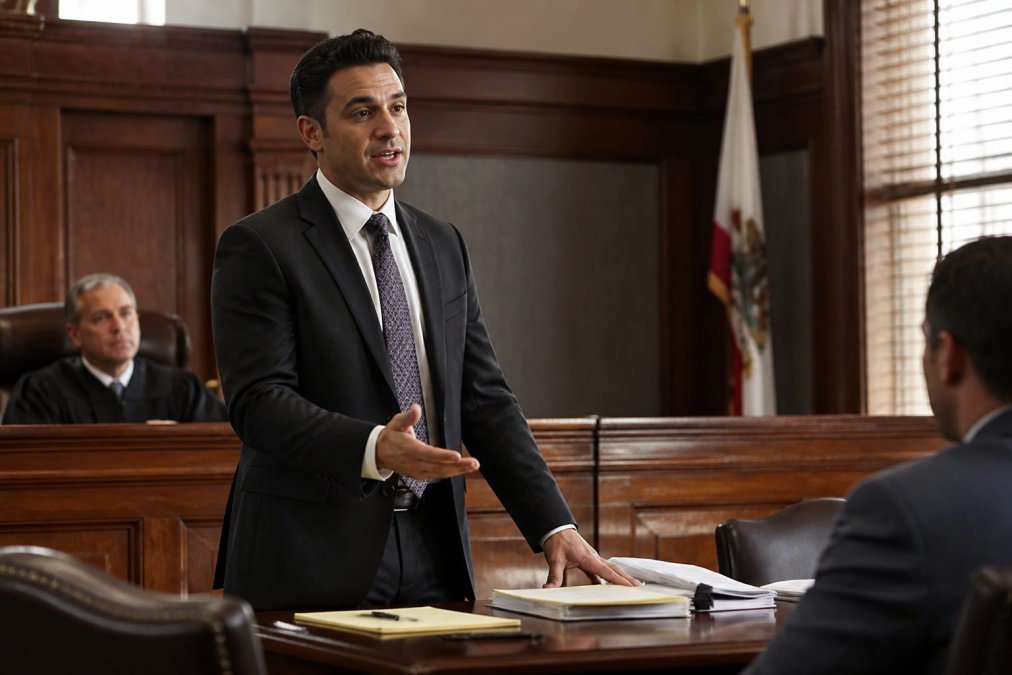
Your attorney will review every detail of your arrest: the officer’s training records, the equipment maintenance logs, the dashcam footage, the field sobriety test administration, and the chemical test procedures. Any deviation from proper protocol becomes use in negotiations.
At Naderi Law Office, Inc., our team of seasoned attorneys is dedicated to protecting your future and ensuring fair treatment under the law. We know which cases are strong candidates for reduction and which require aggressive trial preparation to pressure prosecutors into negotiating. This experience translates directly into better outcomes for our clients.
Your attorney also protects your rights during negotiations. Prosecutors will pressure you to accept unfavorable deals, especially if you’re unrepresented. A skilled defense attorney recognizes when an offer is inadequate and when to hold out for better terms. Without representation, most people accept worse deals than they could have negotiated.
Additionally, your attorney manages the technical aspects of your case that most people don’t understand. They file the proper motions, meet court deadlines, and ensure evidence is preserved. Missing a deadline or filing incorrect paperwork can waive your rights to challenge evidence or negotiate effectively.
Getting a DUI charge reduced requires immediate action, strategic evidence gathering, and skilled negotiation with prosecutors. The difference between a DUI conviction and a wet reckless reduction can affect your employment, your professional licenses, and your future opportunities. If you’ve been arrested for DUI, contact Naderi Law Office, Inc. today for a free case evaluation. Our team is available 24/7 to discuss your case, explain your options, and begin building your defense strategy immediately. We understand the urgency of your situation and are committed to protecting your freedom and future with aggressive, personalized legal representation.
Frequently Asked Questions
What is a wet reckless plea bargain in California?
A wet reckless plea is a reduction from a DUI charge to a reckless driving charge involving alcohol or drugs. Prosecutors may offer this deal when evidence is weak or your case has mitigating factors. It carries lighter penalties than a DUI conviction, including lower fines, shorter probation periods, and reduced license suspension. However, it still counts as a prior for future DUI charges within 10 years. A criminal defense attorney can negotiate whether a wet reckless is the best outcome for your specific situation.
How does the California DUI plea deal process work?
The plea deal process typically begins after your arraignment, when your attorney reviews evidence and meets with prosecutors. Your lawyer will identify weaknesses in their case, faulty breathalyzer calibration, illegal stops, or chain of custody issues, and use those to negotiate. Prosecutors consider your criminal history, blood alcohol concentration level, and case strength when deciding whether to reduce charges. Pre-trial conferences allow both sides to discuss settlement. If negotiations succeed, you'll enter a plea agreement; if not, the case proceeds to trial. Acting quickly gives your attorney more time to build leverage.
What factors affect DUI sentencing and the likelihood of charge reduction?
Prosecutors and judges consider several factors when deciding whether to reduce a DUI charge: whether this is your first offense, your blood alcohol concentration level, whether anyone was injured, your driving record, and the strength of the prosecution's evidence. First-time offenders have better chances of reduction than repeat offenders. Weak evidence, such as improper field sobriety test administration, breathalyzer calibration errors, or lack of probable cause for the initial stop, significantly improves your negotiating position. Mitigating circumstances, like completing a substance abuse program before trial, can also influence the outcome.
Can a first-time DUI be reduced to a lesser offense?
Yes, first-time DUI charges can often be reduced, especially when evidence is questionable or mitigating factors exist. Prosecutors are more likely to negotiate reductions for first-time offenders because they lack a criminal history. A wet reckless plea is a common outcome for first-time cases. Your attorney will examine the arrest circumstances, test accuracy, and any procedural errors. The sooner you hire legal representation after arrest, the more time your attorney has to identify defense strategies and negotiate with prosecutors before your case goes to trial.
This article was written using GrandRanker