
Last Updated: November 18, 2026
Quick Summary
Bail reduction in Los Angeles usually takes days to weeks, not hours. The first chance to ask is at arraignment, which typically happens within 72 hours of arrest, and a written motion generally requires 48 hours’ notice to the prosecutor. How long bail reduction takes depends on when the request is made, how the court schedules it, and whether the judge rules on the spot.
- An oral motion at arraignment can be heard the same morning if counsel is present and the courtroom has time.
- A written motion requires 48 hours’ notice to the prosecutor plus filing and service time.
- The Bail Deviation Program’s calls typically take 30 to 45 minutes but are not a court hearing.
- Release processing after a reduction can take hours to a day or more.
- Bail refund after exoneration typically arrives in 8-10 weeks.
Table of Contents
- How Long Bail Reduction Takes in Los Angeles: The Short Answer
- How to Request Bail Reduction in Los Angeles
- What Happens at a Los Angeles Bail Reduction Hearing
- Bail Reduction Timeline: How Long Each Stage Actually Takes
- What Judges Weigh When Deciding Whether to Lower Bail
- What to Do While You Wait for a Hearing
- When a Reduction Is Granted: Release Processing and Bail Exoneration
- Get a Free Case Evaluation Before Your Arraignment
- Frequently Asked Questions
How Long Bail Reduction Takes in Los Angeles: The Short Answer
Bail reduction in Los Angeles usually takes days to weeks, not hours. The first chance to ask is at arraignment, which typically happens within 72 hours of arrest, according to San Fernando Courts’ guide to reducing bail in Los Angeles. After that, a written motion generally requires 48 hours’ notice to the prosecutor. At Naderi Law Office, Inc., we tell every family the same thing: the clock starts at arrest, and every stage adds time you cannot get back. (Source: California Penal Code Section 1275)
So how long bail reduction takes in Los Angeles depends on three moving parts: when the request is made, how the court schedules it, and whether the judge decides on the spot or takes the matter under submission. Below, we walk through each stage and what actually speeds things up.
The Three Stages That Set Your Timeline
Every reduction request moves through the same three stages:
- The request – made orally at arraignment or by written motion later
- The hearing – where the judge hears argument and decides
- Release processing – booking, paperwork, and actual release from custody
Each stage has its own delay. A quick hearing means little if release processing stalls. We see families celebrate a reduced bail, then wait hours more for the jail to process the release.
How to Request Bail Reduction in Los Angeles
A request for bail reduction in Los Angeles starts with the arraignment, the defendant’s first court appearance. The defense can make an oral motion right there, or file a written motion later with supporting documents. For a full walkthrough of the filing steps, see our guide on how to get bail reduced in Los Angeles.
Oral Motion vs. Written Motion
An oral motion is made verbally at the hearing. It is fast, but it gives the judge little to review beyond the argument in court.
A written motion lays out the evidence: community ties, employment, financial circumstances, and a proposed release plan. It requires 48 hours’ notice to the prosecutor, according to EG Attorneys’ overview of bail modification, but it usually produces a stronger record.
Which one fits your case? If arraignment is hours away, an oral motion may be the only option. If there is time, a written motion gives the judge a reason to say yes.
What Happens at a Los Angeles Bail Reduction Hearing
A Los Angeles bail reduction hearing is a short court appearance where the judge reviews the current bail amount and decides whether to lower it. The defense argues; the prosecutor responds; the judge weighs public safety and flight risk. Most hearings run minutes, not hours.
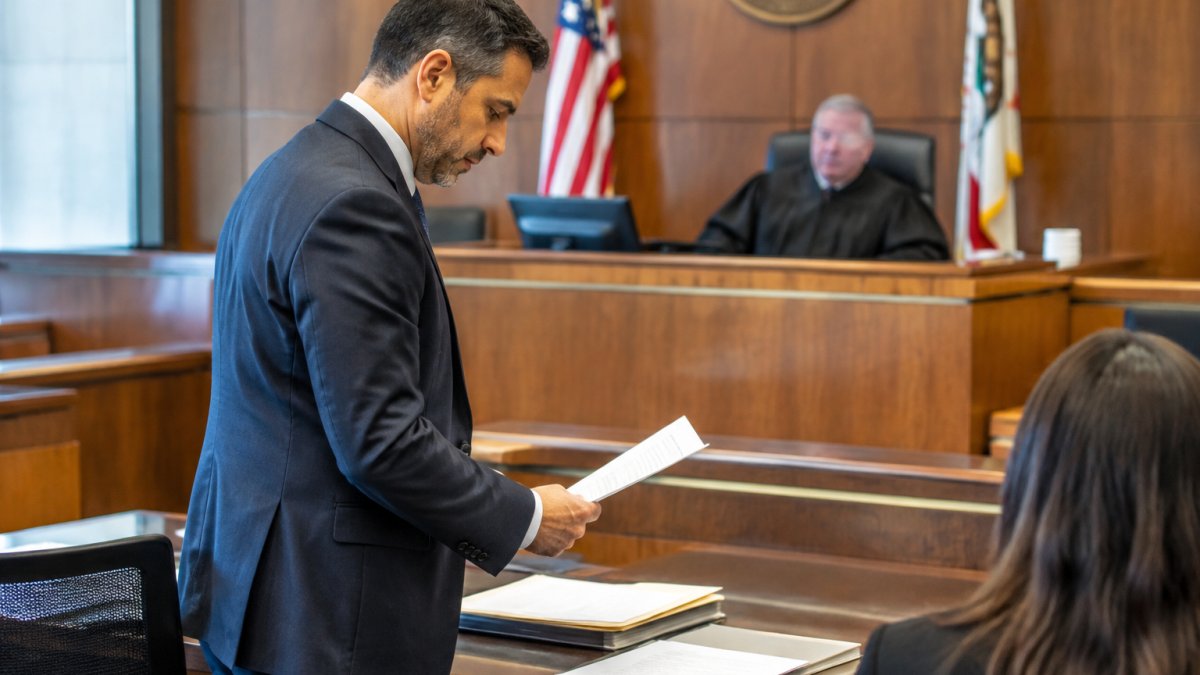
Three things happen in sequence:
- The judge confirms the charges and the current bail amount
- Both sides present arguments on flight risk and public safety
- The judge lowers bail, keeps it, or takes the matter under submission
If you are heading into a hearing, our overview of the criminal court process in California shows where the bail hearing fits in the larger case.
Bail Reduction Timeline: How Long Each Stage Actually Takes
The bail reduction timeline in Los Angeles is not one clock.
| Stage | Typical Timeframe | What Drives the Delay |
|---|---|---|
| Arraignment and oral request | Within 72 hours of arrest, per California Penal Code § 825 | Court calendar, custody status, and whether the defendant was arrested on a warrant |
| Written motion filing and notice | 48 hours’ notice to the prosecutor, plus filing and service time | Filing counter hours, service method, and whether the case has been assigned to a courtroom |
| Hearing scheduling | Days to weeks | Courtroom availability, whether the defendant is in custody, and whether the matter is trailing |
| Ruling | Same day at hearing, or days if taken under submission | Whether the judge wants additional briefing or a release plan |
| Release processing after a reduction | Hours to a day or more | Jail booking workload, bond paperwork, and payment of any reduced amount |
| Bail refund after exoneration | 8-10 weeks | Court and county processing |
Filing versus hearing. An oral motion at arraignment can be heard the same morning, but only if counsel is present and the courtroom has time on its calendar. A written motion starts a separate clock, with advance notice to the prosecutor, and the hearing is then set on the court’s schedule.
Custody status changes the math. A defendant in custody is entitled to a prompt first appearance. Custody status can affect how quickly a hearing is scheduled, but it also means every delay is served in jail. A defendant who is out on bail has more flexibility to gather documents.
Weekends, holidays, and courthouse logistics. Arrests on Friday night can mean the first appearance is delayed, and court holidays can push it further. Jail transport between facilities can add time to a hearing day.
The Bail Deviation Program is a separate track. The Los Angeles County Bail Deviation Program, administered through the Sheriff’s Department, lets a Bail Commissioner’s Aide review a request before arraignment. It can, however, produce a faster answer than waiting for a courtroom calendar. (Source: Eighth Amendment of the United States Constitution)
Watch out: families sometimes treat the hearing date as the release date. A judge’s order lowering bail does not automatically open the jail door; the reduced amount still has to be posted or bonded, and the jail has to complete its own paperwork before the defendant walks out.
What Judges Weigh When Deciding Whether to Lower Bail
Judges look at risk, not sympathy. The core question is whether the defendant will return to court and whether the public is safe in the meantime. Strong community ties, steady employment, and a clean prior record help. A prior failure to appear hurts badly.
Other factors include:
- The severity of the charges, misdemeanor versus felony
- Criminal history and any prior failures to appear
- Ability to pay and financial circumstances
- Proposed release conditions, such as electronic monitoring
One point most families miss: a reduction does not guarantee release. As Manshoory Law Group notes, the new amount may still be out of reach, which pushes defendants toward a bail bondsman. Bond premiums typically run up to 10%, according to The Justice Firm. Budget for that before the hearing, not after.
What to Do While You Wait for a Hearing
Waiting for a bail reduction hearing is where families either build a record or lose time they cannot recover. The practical work falls into four tracks: locating the defendant, confirming custody and court status, gathering documents, and getting counsel in place.
1. Locate the defendant and confirm custody status. Use the Los Angeles County Sheriff’s Department inmate locator to confirm the facility, booking number, and custody status.
2. Confirm the court, courtroom, and case number. The first appearance is usually set in the courthouse that handles the arrest location or the filing district. The Superior Court of California, County of Los Angeles publishes calendars and case information through its public portal.
3. Gather documents that answer the judge’s real question. Judges weigh flight risk and public safety.
4. Get counsel in place before the first appearance. An attorney who is present at arraignment can make an oral request immediately, avoid the 48-hour notice delay that a later written motion requires, and cross-check the custody and court information the family has gathered.
5. Verify current procedures before you rely on them. Court hours, jail visiting rules, and Bail Deviation Program eligibility change.
Two rules that matter most. Do not miss a court date, and do not contact the alleged victim. Either can sink a reduction request before it starts, and a missed date can add a new charge and a new bail amount on top of the old one.
Our step-by-step guide on what to do after an arrest in Los Angeles covers the first days in more detail. If the hearing is already scheduled, the document packet and the release plan are the two items that most often change a judge’s mind.
When a Reduction Is Granted: Release Processing and Bail Exoneration
A granted reduction starts a second clock: release processing. The jail must verify the new bail amount, complete paperwork, and process the defendant out. That can take hours, and longer on busy days.
If a bond was posted, the premium is not refunded. That fee is earned. The posted bail itself is exonerated when the case concludes, and the refund typically arrives in 8-10 weeks. For the practical steps on posting and recovering bail, see our guide on how to post bail in California.
Watch out: families sometimes pay a bondsman for the original high amount before the hearing. If the judge lowers bail afterward, that premium is money you cannot recover.
Get a Free Case Evaluation Before Your Arraignment
Having counsel in place before arraignment can help an attorney make the request at the first appearance and present the right documents.
Naderi Law Office, Inc. defends clients in Los Angeles County facing criminal charges, from minor offenses to serious felonies. Our attorneys are available 24/7 and offer a free case evaluation so you know where you stand before you commit. If you want to understand what that first meeting involves, read our guide on the criminal defense lawyer free case evaluation.
The courthouse will not wait, and neither should your defense. One early hearing can change the entire timeline. Contact Naderi Law Office, Inc. today for a free case evaluation, and let our seasoned attorneys protect your freedom, your future, and your fair treatment under the law.
Frequently Asked Questions
Can bail be reduced at an arraignment?
Yes. Arraignment is typically the first realistic chance to ask a judge to lower bail, and it usually happens within 72 hours of arrest. A defense attorney can make an oral motion on the spot, which can be a faster route than a written motion. Come prepared with employment records and proof of community ties so the judge has something concrete to weigh.
How long does it take to get released after bail is reduced?
Release after a granted reduction is not instant. The court must process the new order, custody staff must update their records, and if you use a bondsman, the bond premium must be paid and the bond posted. This can take time depending on jail booking volume and when the order is signed. Plan for same-day or next-day release in most cases, and have a bondsman identified before the hearing.
What can delay a bail reduction decision?
Several things push a ruling back. Missing supporting documents, a prosecutor’s request for a continuance, an overcrowded court calendar, or a pending probation department risk assessment can all add days or weeks. If you file a written motion without the required advance notice to the prosecutor, the hearing may be delayed. In custody, every delay costs jail time, so having an attorney file complete paperwork correctly the first time is the main defense against a stalled timeline.
What happens if the judge denies the bail reduction?
A denial is not always final. Defense counsel can file a renewed request when circumstances change, such as new evidence, a favorable risk assessment, or additional proof of employment and community ties. You can also pursue the county’s Bail Deviation Program, where a Bail Commissioner’s Aide may review the case before arraignment. Confirm current eligibility with the Los Angeles County Sheriff’s Department. If the new amount is still out of reach, a bail bondsman can post the bond for a premium.
