
Table of Contents
- Understanding Bail Reduction and When to Request It
- Filing a Motion to Reduce Bail
- Preparing Evidence for Bail Reduction
- What Judges Consider at Your Bail Reduction Hearing
- The Bail Review Hearing Process
- What Happens After Bail Is Reduced
- Common Mistakes to Avoid When Requesting a Bail Reduction
- Frequently Asked Questions
Last Updated: October 10, 2026
Understanding Bail Reduction and When to Request It
A bail reduction is a request to the court to lower the amount of money required for your release while your case is pending. Learning how to get bail reduced in Los Angeles starts with understanding this process and your options. If the initial bail amount is too high for you to afford, you can ask the court to reduce it. (Source: the Eighth Amendment of the U.S. Constitution)
Request a bail reduction at your arraignment (your first court appearance, typically within 72 hours of arrest) or shortly after. You can also file a motion later if your circumstances change.
You’re not stuck with the initial bail amount. Courts expect defendants to challenge unreasonably high bail, and the key is presenting your case effectively.
Naderi Law Office, Inc. provides aggressive and experienced criminal defense representation for individuals facing charges in Los Angeles County.
Request a bail reduction as soon as possible. The sooner you’re released, the sooner you can gather evidence and work with your attorney on your case strategy.
Filing a Motion to Reduce Bail
To reduce bail in Los Angeles, you’ll file a formal request called a motion to reduce bail, which your criminal defense attorney will prepare and present.
Where to File in Los Angeles County
The location and method of filing depend on which court is handling your case:
Your case is assigned to a specific courthouse based on the alleged crime’s location and the arresting agency’s jurisdiction. The main criminal courthouse is the Clara Shortridge Foltz Criminal Justice Center (210 West Temple Street, downtown), but cases are also handled at regional courthouses in Van Nuys, Compton, Long Beach, and other locations throughout the county.
Your attorney will file the motion with the clerk’s office at your assigned courthouse. Motions can typically be filed in person, by mail, or electronically. Filing fees are generally waived for indigent defendants.
The Motion Structure and Content
Your motion must explain why the current bail amount is excessive and why a lower amount still protects public safety and ensures your appearance in court. The motion typically includes: a statement of facts (background, ties to community, employment, family), legal arguments, evidence of changed circumstances, documentation of financial hardship, character references, and a specific request for a new bail amount.
The prosecutor receives a copy and can respond before the hearing, usually within 5 to 10 days.
Timing and Deadlines
At arraignment (typically within 72 hours of arrest): You can request an oral motion to reduce bail immediately. Many defendants do this without a written motion prepared in advance. The judge may rule on the spot or schedule a separate hearing.
Within 5 to 10 days after arraignment: If you want to file a written motion, your attorney should do so quickly. Judges are more receptive to bail reduction requests filed early in the case. Waiting weeks signals less urgency and may reduce the judge’s willingness to reconsider.
After changed circumstances: If your situation improves, you secure employment, housing becomes stable, or new evidence emerges, you can file a subsequent motion. There’s no strict limit on how many times you can request review, but courts expect new circumstances to justify a new hearing.
Oral Motion vs. Written Motion
An oral motion is presented verbally in court during your arraignment or at a scheduled hearing. A written motion is a detailed document filed before the hearing with legal arguments and evidence. Written motions are stronger because judges have time to review comprehensive information before deciding. Many defendants combine both: file a written motion and present oral arguments at the hearing.
File your motion as soon as possible after arraignment. Written motions typically produce better results because judges have time to review your evidence before making a decision. Include as much supporting documentation as possible, and be prepared to present oral arguments at the hearing.
Preparing Evidence for Bail Reduction
Your evidence convinces the judge to lower your bail. Start gathering documents immediately after arrest. The stronger your evidence package, the more persuasive your motion.
Evidence Checklist by Category
Employment and Income Evidence (most persuasive to judges):
- Recent pay stubs (last 2-4 weeks)
- Letter from employer on company letterhead confirming employment, position, length of employment, and salary
- If self-employed: business license, tax returns (past 2 years), and bank statements
- If unemployed: documentation of job search efforts or pending job offers
Community Ties and Residence (proves you’re not a flight risk):
- Lease or mortgage documents
- Utility bills in your name (past 60 days)
- Proof of family members in the area
- Membership documents from community organizations or religious institutions
- School enrollment records for children
- Driver’s license or state ID
Financial Documentation (demonstrates ability to pay a reduced bail):
- Bank statements (past 2-3 months)
- Tax returns (past 2 years)
- Written list of monthly expenses
- Documentation of debts and all income sources
- Medical bills or evidence of ongoing medical expenses
Character References and Personal Background:
- Letters from employers, teachers, clergy, or community leaders (3-5 letters)
- Documentation of volunteer work or community service
- Evidence of stable housing history
- Military service records or educational credentials if applicable
- Evidence of rehabilitation if you have a prior record
Timeline for Gathering Evidence
Immediately (within 24-48 hours of arrest):
- Contact your employer for a confirmation letter
- Ask family members to prepare character reference letters
- Gather recent pay stubs and identification documents
Before arraignment (within 72 hours):
- Collect utility bills, lease/mortgage documents, and bank statements
- Gather proof of family members in the area
After arraignment, for written motion (within 5-10 days):
- Obtain tax returns
- Collect additional character reference letters
- Organize all documents for your attorney
What to Do If Documents Are Unavailable
Courts understand that detained defendants face logistical challenges. If documents are unavailable: provide bank statements instead of pay stubs, utility bills instead of lease documents, declarations from landlords or family members, and request tax returns from the IRS using Form 4506-C. Quality matters more than quantity, one strong character reference is more persuasive than multiple generic letters.
Organizing Your Evidence for Court
Organize your evidence logically: create a cover sheet, group by category (employment, residence, financial, character), use tabs or page numbers, prepare 3-4 sets of originals and copies, highlight key information on documents, and prepare a one-page summary of your strongest points.
What Judges Find Most Persuasive
Not all evidence carries equal weight. Judges typically find the following most compelling:
- Stable, verifiable employment with a letter from your employer
- Long-term residence in the community (5+ years is strong)
- Family ties, especially dependent children or elderly parents you support
- No prior failures to appear in court
- Character references from professionals (employers, clergy, teachers) rather than friends
- Specific financial hardship documented with numbers (“I earn $2,400 per month and cannot afford $50,000 bail”)
Don’t wait to gather evidence. The longer you delay, the longer you stay in custody. Start collecting documents immediately after your arrest. If your attorney is preparing a written motion, provide all evidence within 3-5 days so they have time to draft and file before the hearing.
What Judges Consider at Your Bail Reduction Hearing
Judges evaluate specific factors when deciding whether to lower your bail. Understanding these factors helps you prepare stronger arguments.
The seriousness of the charges matters significantly, but even serious charges don’t prevent bail reduction if other factors support release. Your criminal history is a major consideration, a clean record strengthens your argument, while prior convictions, especially failures to appear, make reduction harder. If you have a record, focus on rehabilitation since the offenses.
Community ties show you won’t flee, judges want to see length of residence, family members in the area, stable employment, and community involvement. Your ability to pay is critical; judges consider whether the bail amount is proportionate to your financial situation. Flight risk is what judges fear most; your ties to Los Angeles, employment, family, and clean record reduce perceived flight risk. Public safety is the other major concern; your background, the nature of charges, and any substance abuse issues factor in.
The Bail Review Hearing Process
Your bail review hearing is where the judge makes the decision on how to get bail reduced in Los Angeles. The prosecutor presents arguments for keeping bail high, then your attorney presents your case for reduction, summarizing your ties to Los Angeles, presenting evidence of employment and community involvement, explaining financial hardship, and arguing that a lower amount still protects public safety. If you testify, answer questions directly and honestly, keeping your tone respectful and calm. The judge will ask about your background, employment, family, and financial situation. After hearing both sides, the judge announces their decision. The hearing typically takes 15 to 30 minutes.
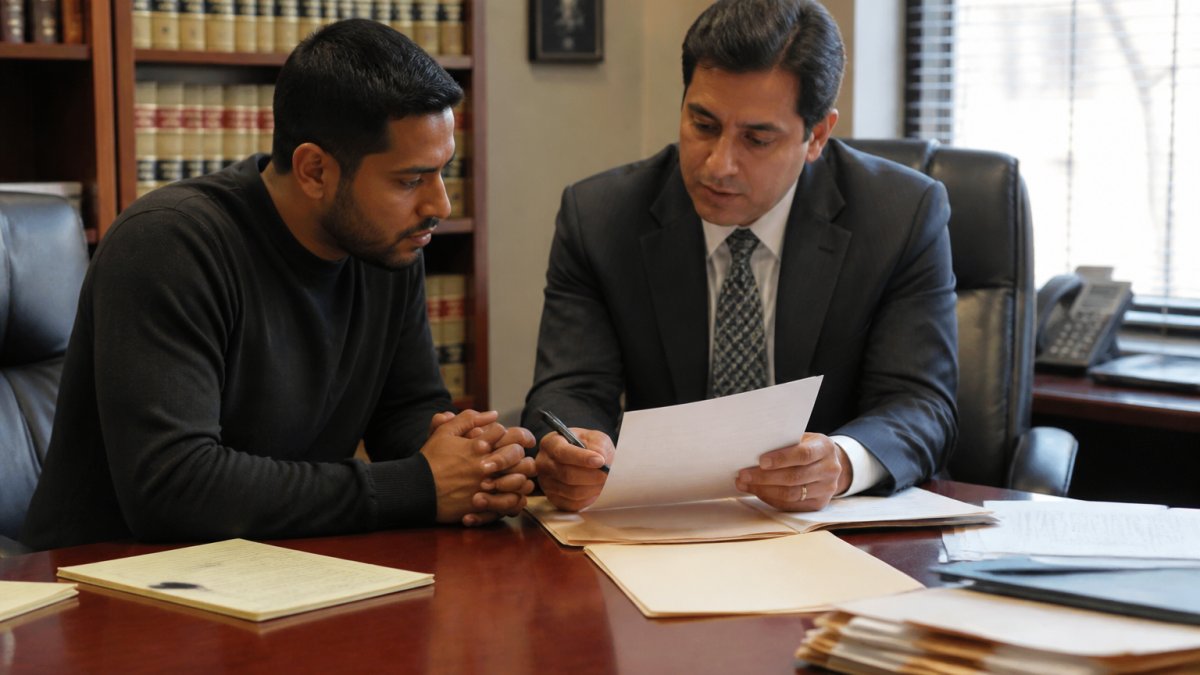
Stay calm and respectful during your hearing. The judge is evaluating not just your evidence, but your character and demeanor. First impressions matter.
What Happens After Bail Is Reduced
Once the judge reduces your bail, you have options for payment. Cash bail means paying the full amount directly to the court; the court returns the money when your case concludes (minus any fines or restitution). Bail bond is an alternative if you can’t pay cash, you pay a bail bond agent 10 percent of the bail amount as a non-refundable premium.
After being released, you must follow all release conditions, which might include regular check-ins with pretrial services, travel restrictions, avoiding contact with alleged victims or witnesses, staying away from specific locations, drug or alcohol testing, and maintaining employment or school enrollment. Violating release conditions can result in bail revocation and return to custody.
Work closely with your attorney on your case while out on bail. Being free allows you to participate actively in your legal strategy rather than fighting your case from custody.
Common Mistakes to Avoid When Requesting a Bail Reduction
Common mistakes to avoid: waiting too long to file (file at arraignment or within days of arrest); providing incomplete evidence (provide documentation, not just claims); failing to address charges directly; showing up unprepared or disheveled; lying or exaggerating; not having a criminal defense attorney; ignoring changed circumstances; and focusing only on financial hardship without community ties, employment, and family connections.
Getting bail reduced in Los Angeles requires preparation, evidence, and effective legal representation. The process starts at your arraignment and depends on convincing the judge that a lower amount protects public safety while allowing you to maintain your life and prepare your defense.
Our aggressive defense strategy includes protecting your rights throughout the criminal process. Contact us today for a free case evaluation to discuss your specific situation and learn how we can help you navigate this critical stage of your defense.
Frequently Asked Questions
When can you request a bail reduction after arrest?
You can request a bail reduction at your arraignment or at any time after bail has been set. Many defendants request a reduction at arraignment, which is typically held within 72 hours of arrest. You can also file a motion to reduce bail after arraignment if changed circumstances, such as job loss, medical expenses, or new evidence about your ties to the community, support a lower amount. A criminal defense attorney can advise on the best timing for your specific situation.
What evidence helps support a bail reduction request?
Strong evidence for bail reduction includes proof of stable employment, community ties, family responsibilities, housing stability, and a clean criminal history. Documentation such as pay stubs, lease agreements, letters from employers, and evidence of community involvement (volunteer work, church membership) demonstrate you are not a flight risk. Financial hardship evidence, bank statements, medical bills, proof of dependents, shows why the current bail amount is unaffordable. Character letters from employers, teachers, or community members also carry weight with judges.
What happens if my bail reduction request is denied?
If your bail reduction request is denied, you have limited options. You may file another motion if circumstances change materially, such as a job loss, significant medical expense, or new evidence of community ties. Some judges allow a second request after a reasonable time has passed. Your attorney can advise whether an appeal or a request to reconsider is appropriate. In the meantime, you must either pay the bail amount set or work with a bail bond company, which typically charges a 10% premium of the bail amount.
Do I need an attorney to request a bail reduction?
You have the right to request a bail reduction without an attorney, but having a criminal defense attorney significantly improves your chances. Attorneys understand California bail law, know which arguments judges find persuasive, and can present evidence effectively. They also handle procedural requirements and can file written motions or prepare you for an oral request. An experienced attorney can also identify changed circumstances that strengthen your case and negotiate with prosecutors.