
Table of Contents
- What Is Cash Bail and How Does It Work
- Understanding Own Recognizance Release for Misdemeanor Cases
- Key Differences Between Cash Bail and Personal Recognizance
- Factors Judges Consider for Bail and Release Decisions
- What Happens If You Miss Court on an OR Release
- Cash Bail Refund After Your Case Concludes
- Your Next Steps: Getting Legal Help After Arrest
- Frequently Asked Questions
Last Updated: October 10, 2026
What Is Cash Bail and How Does It Work
Cash bail is money a defendant pays to the court to secure release from custody while awaiting trial. If you pay the full bail amount, you’re released and receive it back when your case ends, regardless of the verdict.
After arrest, you appear before a judge for a bail hearing. The judge reviews your criminal history, community ties, employment, and charge severity to decide on cash bail vs personal recognizance, or deny release entirely.
If the judge sets cash bail, you have three main options:
- Pay the full amount directly to the court and walk free
- Use a bail bondsman who charges a non-refundable fee (typically 10% of the bail amount)
- Remain in custody until trial
The key advantage is straightforward: pay the money, get released and recover it later. The main drawback is the upfront financial burden.
If you cannot afford bail, ask the judge about reducing the amount or switching to personal recognizance release. Many judges will reconsider if you explain your financial hardship.
Understanding Own Recognizance Release for Misdemeanor Cases
Own recognizance (OR) release, also called personal recognizance, is a promise to appear in court without paying money. The judge releases you based on your word alone.
Personal recognizance release is common for misdemeanors because judges view most misdemeanor defendants as lower flight risks. You sign a document promising to appear at all court dates; violating that promise carries serious consequences.
The conditions of your OR release might include:
- Regular check-ins with a pretrial officer
- Travel restrictions
- Avoiding contact with alleged victims
- Staying employed or in school
- Drug testing if substance use is relevant
Personal recognizance works best for defendants with stable employment, community ties, and no serious criminal history. Prior failures to appear or convictions make judges less likely to grant it.
Personal recognizance costs you nothing upfront but requires you to honor your promise to appear. Breaking that promise turns a misdemeanor into a more serious legal problem.
Key Differences Between Cash Bail and Personal Recognizance
When comparing cash bail vs personal recognizance, the main distinction comes down to money and trust. Cash bail uses a financial guarantee; personal recognizance relies on the court’s trust in your word.
Here’s a side-by-side comparison:
| Factor | Cash Bail | Personal Recognizance |
|---|---|---|
| Upfront cost | Yes (full amount or bail bondsman fee) | No cost |
| Money returned | Yes (when case ends) | Not applicable |
| Based on | Financial pledge | Judge’s trust |
| Best for | Defendants with resources | Stable, low-risk defendants |
| If you miss court | Bail forfeited; arrest warrant issued | Arrest warrant issued; possible new charges |
| Court appearance requirement | Mandatory | Mandatory |
Cash bail affects your finances immediately. A bail bondsman’s 10% fee is non-refundable; paying the full amount directly means you recover it but lack that money during your case.
Personal recognizance lets you walk free with no financial burden, but missing a court date becomes a criminal matter.
Judges weigh multiple factors when choosing between these options. First-time offenders with stable jobs and family ties are more likely to get personal recognizance; those with prior failures to appear or criminal history may face cash bail.
Factors Judges Consider for Bail and Release Decisions
Judges follow a structured legal framework guided by bail schedules and statutory criteria. Understanding their evaluation helps you prepare for your bail hearing.
Flight Risk and Community Ties
Flight risk is the primary factor. Judges examine length of residence, employment history, family ties, homeownership, prior failures to appear, and address stability.
Long-term residents with employment, homeownership, and family ties present minimal flight risk. For misdemeanors, judges often grant personal recognizance based on local ties alone if no aggravating factors exist.
Public Safety Considerations
Public safety is the second major factor. Charges involving violence, threats, or vulnerable victims (domestic violence, stalking, child abuse) trigger heightened scrutiny and may result in cash bail or conditional release with no-contact orders.
Ability to Pay
The Eighth Amendment prohibits excessive bail. Judges cannot set bail so high it’s impossible to pay given your income and assets. Present documentation of income, debts, and expenses to request a bail reduction hearing.
Nature and Severity of the Charge
Misdemeanor charges vary in severity. First-time shoplifting typically results in lower bail or personal recognizance; misdemeanor DUI with priors or assault may result in higher bail.
Criminal History and Prior Failures to Appear
Your record matters significantly. First-time offenders are far more likely to receive personal recognizance than those with prior convictions.
Bail Schedules and Local Practice
Many jurisdictions use bail schedules with preset amounts for common charges. Judges retain discretion to deviate based on your circumstances. Your attorney can argue for release below the schedule amount or without bail if you have strong community ties.
If you have a prior failure to appear on record, judges will scrutinize your release conditions closely. Even a minor misdemeanor can result in cash bail if your history shows you’ve missed court before. A second failure to appear could result in a felony charge for bail jumping, depending on your jurisdiction.
Substance Use and Mental Health
Judges consider untreated substance use disorder or mental health conditions affecting reliability. Drug possession or DUI charges may require drug testing, counseling, or mental health evaluation. Enrollment in treatment strengthens your case for personal recognizance.
Your attorney presents evidence countering prosecution concerns. Bring letters of support, employment documentation, housing proof, and community ties. If you have a prior failure to appear, explain what happened and why it won’t recur.
What Happens If You Miss Court on an OR Release
Missing court on personal recognizance release has immediate, cascading consequences. Understanding these consequences and your options is critical.
Immediate Consequences: Arrest Warrant and Custody
The moment you fail to appear, the judge issues a bench warrant.
You will now be held in custody. Bail may be set at a significantly higher amount, or you may be held without bail.
New Criminal Charges for Failure to Appear
You face new criminal charges. Failure to appear is itself a crime; severity depends on the original charge and jurisdiction.
You now face two separate cases: the original charge plus failure-to-appear. Both appear on your record and carry potential jail time and fines.
Revocation of Release and Increased Bail
Your original personal recognizance release is revoked. At the new bail hearing, the judge will likely set cash bail substantially higher.
Judges may deny bail entirely and hold you in custody pending trial, especially if you disappeared for an extended period.
Financial Consequences and Bond Forfeiture
If you paid cash bail directly, it’s now at risk. Some jurisdictions allow judges to forfeit your bail if you miss court.
If you used a bail bondsman, they may pursue you for the full bail amount, hire a bounty hunter, or pursue civil collection.
Impact on Your Case and Defense
Missing court severely damages your case. Key hearings may proceed without you, judges often rule against absent defendants, and continuances may be denied.
If you miss trial, the judge may conduct trial in absentia. You have a constitutional right to be present, and waiving it weakens your position.
What to Do If You Cannot Attend Court
If you have a legitimate reason for missing court, contact your attorney immediately. Do not skip court and hope the judge understands.
If you miss court unexpectedly, turn yourself in as soon as possible. Voluntarily appearing shows good faith and may persuade the judge to be lenient.
Misdemeanor-Specific Considerations
For misdemeanors, judges sometimes show leniency if you have a legitimate excuse. A first-time failure to appear due to genuine medical emergency may result in a warning.
Personal recognizance release is a privilege, not a right. It requires you to take your obligation seriously. Set phone reminders for court dates. Mark your calendar. Confirm the date and time with your attorney the day before. The consequences of missing court, new criminal charges, forfeiture of bail, increased bail amounts, and damage to your case, far exceed any benefit of avoiding court. If you cannot attend, contact your attorney immediately.
Cash Bail Refund After Your Case Concludes
A major advantage of paying cash bail directly is the refund. When your case ends, the court returns your bail money regardless of outcome.
The refund process is straightforward but not always fast. Depending on jurisdiction, it takes days to weeks. Some courts mail the check; others require you to pick it up.
If you used a bail bondsman, you receive no refund. The fee (typically 10% of bail) is the bondsman’s profit. You get released immediately without paying the full amount, but lose that percentage permanently.
The refund applies regardless of outcome. Convicted or acquitted, you get your bail back. Bail is a financial guarantee, not a fine or penalty.
The court deducts unpaid fines, restitution, or court costs from your bail refund before returning any remainder.
Ask your attorney about the refund timeline before your case concludes. Some courts process refunds faster if you submit paperwork immediately after the verdict or dismissal. Don’t assume the money will appear automatically.
Your Next Steps: Getting Legal Help After Arrest
After arrest, your first priority is getting competent legal representation. Decisions in the first 48 hours shape everything that follows.
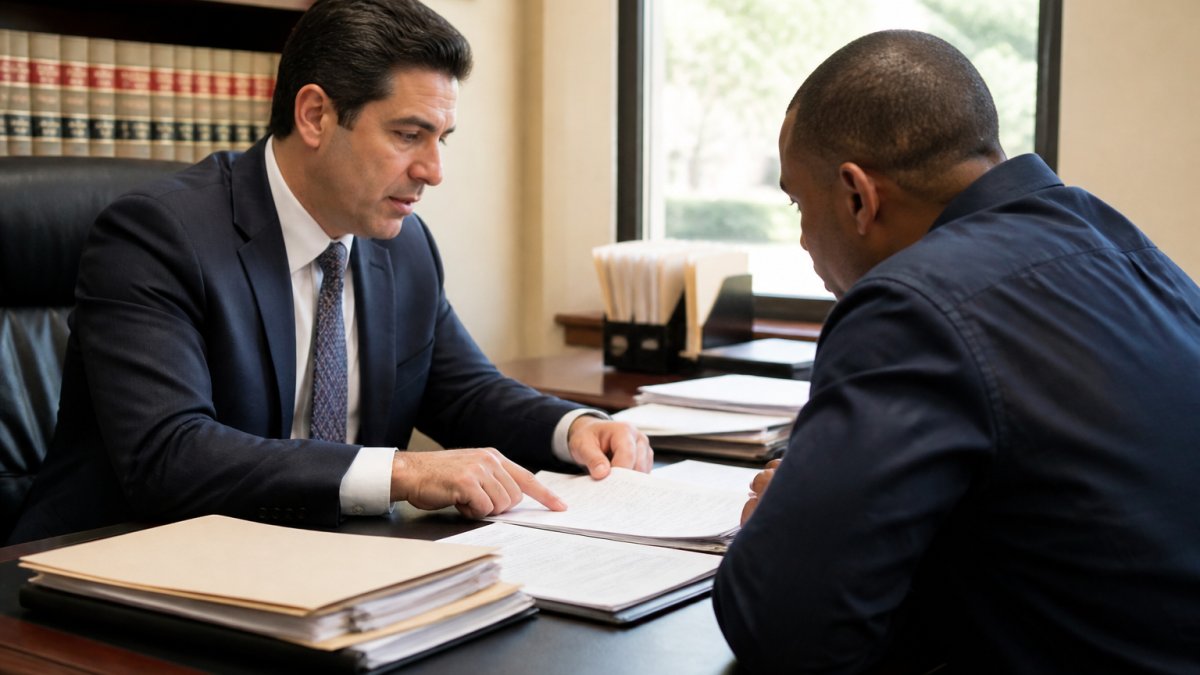
Contact a criminal defense attorney within 24 hours of arrest. Prepare information about employment, family ties, and community involvement. Gather documentation (pay stubs, lease, letters of support) for your bail hearing. Be honest about your criminal history and ask about bail reduction or personal recognizance options.
Your attorney will attend your bail hearing and argue for release on favorable terms. They know which judges favor personal recognizance for misdemeanors and can present mitigating factors the prosecutor might overlook.
The Naderi Law Office, Inc. team is available 24/7. We provide aggressive defense strategies tailored to your charge and circumstances.
We protect your freedom and future. A misdemeanor conviction can affect employment, housing, and professional licenses. Right representation minimizes penalties and ensures fair treatment.
Contact Naderi Law Office, Inc. today for a free case evaluation. We’ll review your arrest details, explain your bail options, and fight for your release on the best possible terms.
Understanding cash bail versus personal recognizance for misdemeanors gives you clarity on your options. But knowledge alone isn’t enough, you need an attorney who can advocate for you in court. Naderi Law Office, Inc. has the experience and aggressive defense strategies to protect your rights. Reach out now for your free case evaluation.
Frequently Asked Questions
What is the difference between cash bail and personal recognizance?
Cash bail requires you to pay a set amount of money to the court to secure your release from custody. You must pay the full amount upfront, though bail bond agents can post it for a fee. Personal recognizance (OR) release lets you go free based on your promise to appear in court, with no money required. The judge decides which option based on your criminal history, ties to the community, employment, and the severity of the misdemeanor charge.
Can you be released on your own recognizance for a misdemeanor?
Yes. For many misdemeanor offenses, judges commonly grant OR release because misdemeanors are lower-level charges. Eligibility depends on factors like whether it’s your first arrest, your employment status, family ties to the area, and the specific nature of the misdemeanor. A criminal defense attorney can argue for OR release by presenting evidence of your stability and low flight risk to the judge.
What happens if you miss court after being released on recognizance?
Missing court on an OR release is treated as failure to appear (FTA), a serious violation that can result in new criminal charges, a warrant for your arrest, additional jail time, and potential fines. The court may also revoke your release and hold you in custody until trial. If you were released on cash bail and fail to appear, the court keeps the full bail amount and issues a warrant. An experienced defense attorney can help prevent this by ensuring you understand all court dates and obligations.
How long does it take to get cash bail back after a case ends?
Refund timelines vary by jurisdiction and court, but typically range from a few days to several weeks after your case concludes. The court must return the full bail amount if you met all release conditions and appeared at all required court dates. Some courts process refunds faster if you request one in writing. If you used a bail bond agent, the agent keeps their fee (typically 10% of the bail amount) and returns nothing to you.