
Table of Contents
- How Bail Works in California
- Understanding Bail Amounts and How They Are Set
- Types of Bail Bonds California Defendants Can Use
- Cost of Bail Bond California: What to Expect
- Step-by-Step: How to Post Bail in California
- Own Recognizance Release California: An Alternative to Bail
- Bail Hearing California: Challenging or Reducing Your Bail Amount
- Common Mistakes to Avoid When Posting Bail
How to Post Bail in California: Step-by-Step Guide
Last Updated: August 2, 2026
Understanding how to post bail in California is critical when facing arrest. Within hours of booking, a defendant must decide between cash bail, a bail bond, or requesting release on their own recognizance. At Naderi Law Office, Inc., we’ve guided countless clients through this process, and the decisions made in those first hours can significantly impact your case, finances, and freedom. This guide walks you through each method, the costs involved, and exactly what happens after bail is posted.
How Bail Works in California
Bail is a financial guarantee that a defendant will appear at all required court hearings. When arrested, you’re taken to a local jail for booking. Within 72 hours, you must be brought before a judge for an arraignment, where the judge sets bail based on charge severity, criminal history, and flight risk. Bail is refundable if you meet all court obligations. If you fail to appear, the court forfeits the bail and issues a warrant for your arrest.
Understanding Bail Amounts and How They Are Set
A judge sets the bail amount during arraignment using California Penal Code guidelines and county-specific bail schedules. For example, a first-time DUI misdemeanor might carry a $5,000 bail, while a felony assault could range from $25,000 to $100,000 depending on circumstances.
Judges consider the severity of the charge, prior criminal history, flight risk (community ties, employment, family), strength of the prosecution’s case, and defendant’s financial resources. Judges may also release someone on their own recognizance (O.R.) with no bail required, or set conditions like electronic monitoring instead.
Request a bail reduction hearing if you believe the amount is excessive. Judges can lower bail if you present evidence of strong community ties, stable employment, or low flight risk. This is one of the most overlooked opportunities to reduce financial burden.
Types of Bail Bonds California Defendants Can Use
California law recognizes three primary ways to post bail: cash bail, a bail bond from a surety, or a property bond.
Cash Bail
Cash bail means posting the full bail amount directly with the court or jail. If bail is set at $10,000, you pay $10,000 in cash, cashier’s check, or money order and are released immediately. The advantage is clear: if you meet all court obligations, you receive the full amount back after the case concludes. However, most people don’t have $10,000 in liquid savings available on short notice. Release typically takes 2-4 hours after payment.
Bail Bond (Surety Bond)
A bail bond is a contract between you, a bail bondsman, and the court. The bail bondsman posts the full bail amount with the court on your behalf. In exchange, you pay a non-refundable fee, typically 10% of the bail amount in California. If bail is set at $10,000, you pay the bondsman $1,000. The bondsman then guarantees the full $10,000 to the court. If you fail to appear, the bondsman is liable for the full amount and will hire a bounty hunter to locate you.
This method makes bail affordable for most people. Bail bondsmen are heavily regulated in California and must be licensed. Many operate 24/7. Release typically occurs within 1-2 hours of the bondsman posting bail.
Bail bondsmen have significant power over your release. If you violate conditions of release or miss a court appearance, the bondsman can revoke the bond and have you arrested. Treat this as seriously as a court order.
Property Bond
A property bond allows you to use real estate as collateral instead of cash. If you own a home with sufficient equity, you can pledge that property to the court as security. The property must be located in California and have equity exceeding the bail amount. The court places a lien on the property, securing the bail amount. Property bonds require an appraisal and title search, taking 3-7 business days. If you meet court obligations, the lien is removed.
Cost of Bail Bond California: What to Expect
Cash bail costs nothing beyond the bail amount itself. You pay the full bail to the court and recover it after case resolution.
Surety bail bonds cost 10% of the bail amount in California. A $10,000 bail costs $1,000; a $50,000 bail costs $5,000. This fee is non-refundable. Even if charges are dismissed, you don’t recover the bondsman’s fee.
Property bonds cost nothing in fees but require appraisals and title searches, which run $300-$800 depending on property value. You also risk your property if you fail to appear in court.
For most people, a 10% surety bail bond is the most practical option. It costs significantly less than cash bail while avoiding the delays and complexity of property bonds.
Step-by-Step: How to Post Bail in California
Step 1: Confirm the Bail Amount and Conditions
Immediately after arrest, you’ll be booked at the local jail. If bail hasn’t been set yet, it will be determined at your arraignment, which must occur within 72 hours of arrest. At the arraignment, the judge announces the bail amount and any conditions of release. Conditions might include surrender of passport, restriction from leaving the state, electronic monitoring, mandatory court attendance, or prohibition from contacting alleged victims or witnesses. Write down the exact bail amount, bail conditions, and the next court date.
Step 2: Choose Your Bail Method
Based on the bail amount and your financial situation, decide between cash bail, a surety bond, or a property bond.
Choose cash bail if: the bail amount is under $5,000, you have immediate access to that cash, or you want to recover the full amount after case resolution.
Choose a surety bond if: the bail amount exceeds what you can pay in cash, you need release within hours, you can afford the 10% non-refundable fee, or you don’t own property.
Choose a property bond if: the bail amount is very high ($50,000+), you own California real estate with sufficient equity, you can wait 3-7 days for processing, or you want to avoid the 10% surety fee.
Contact a bail bondsman immediately if you choose a surety bond. Many operate 24/7 and can post bail within 1-2 hours. Have the defendant’s full name, booking number, jail location, and bail amount ready.
Step 3: Arrange Payment or Secure a Co-Signer
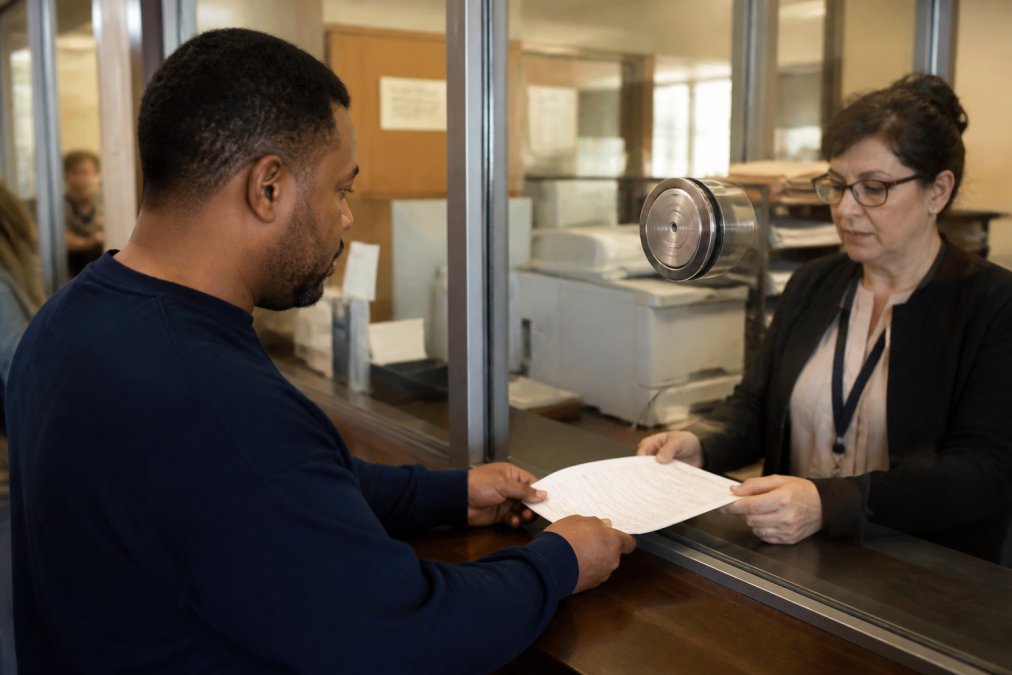
For cash bail: Gather the full amount in cash, cashier’s check, or money order. Go directly to the jail bail window or court bail clerk’s office with the defendant’s booking information.
For a surety bond: Contact a licensed bail bondsman. You’ll need to provide the defendant’s full name and date of birth, booking number, bail amount, charges filed, and your relationship to the defendant. The bondsman will explain the 10% fee and any payment options.
For a property bond: Contact the court’s bail clerk or a property bond specialist. You’ll need proof of property ownership, property address and assessed value, mortgage information, and photo identification.
Co-signer considerations: If you’re posting bail for someone else, you may be asked to co-sign. As a co-signer on a surety bond, you’re legally responsible if the defendant fails to appear.
Step 4: Submit Your Bail Payment to the Court or Jail
Cash bail: Bring payment to the jail’s bail window or the court’s bail clerk’s office with the bail order or booking number, photo identification, and payment. The clerk will process your payment and issue a receipt. Keep this receipt. Release typically occurs within 2-4 hours.
Surety bond: Once you’ve contracted with a bondsman and paid the fee, the bondsman submits the bail bond directly to the court. The defendant is typically released within 1-2 hours of the bond being posted.
Property bond: The court clerk submits the appraisal and lien documents to the judge for approval. Once approved, the lien is recorded against the property. The defendant is released once the lien is finalized, typically 3-7 business days after submission.
Step 5: Confirm Release and Understand Court Obligations
Once bail is posted, the defendant will be released from custody. The jail will provide a release order, bail receipt or bond paperwork, court date information, and bail conditions summary.
Critical obligations after release:
-
Appear at all court hearings. Missing even one hearing can result in bail forfeiture and a new arrest warrant.
-
Follow all bail conditions. If the judge ordered electronic monitoring, you must wear the device. If you’re prohibited from contacting someone, that prohibition is enforceable.
-
Notify the court of address changes. If you move, inform the court immediately.
-
Avoid new arrests. Committing another crime while out on bail typically results in bail revocation and re-arrest.
-
Stay in contact with your attorney. Your lawyer needs to prepare your defense.
If you posted a surety bond, the bondsman may require regular check-ins or electronic monitoring. Comply with all bondsman requirements.
Own Recognizance Release California: An Alternative to Bail
Own recognizance (O.R.) release is a court decision to release a defendant without requiring bail. The judge determines that the defendant’s promise to appear is sufficient security. No money changes hands.
Judges grant O.R. release when the charges are minor, the defendant has strong community ties (employment, family, homeownership), the defendant has no prior failures to appear, and the defendant poses no danger to the community. O.R. release is the best possible outcome because it costs nothing. Your attorney can request O.R. release at the arraignment by presenting evidence of community ties: employment letters, lease agreements, family relationships, or community involvement.
Bail Hearing California: Challenging or Reducing Your Bail Amount
If you believe the judge set bail too high, California law allows you to request a bail reduction hearing.
How to Request a Bail Reduction
File a motion to reduce bail with the court. Your attorney can file this motion, or you can file it yourself if you’re representing yourself. The motion must be filed in writing and served on the prosecutor. Include your name, case number, charges, current bail amount, reasons bail should be reduced (financial hardship, community ties, employment, family responsibilities), proposed reduced bail amount, and evidence supporting your position. The court will schedule a hearing, typically within 5-10 business days.
File a bail reduction motion immediately after the arraignment. The sooner you request a hearing, the sooner you can potentially get bail lowered.
What to Bring and How to Prepare
Prepare evidence demonstrating why bail should be reduced: recent pay stubs, bank statements, proof of debts and obligations, employment letters, lease or mortgage documents, proof of family relationships, letters of recommendation, and documentation of stable housing and employment history.
Prepare a statement explaining your situation. Be honest and respectful. Your attorney will present this evidence and argue that the original bail was excessive. The prosecutor will argue for maintaining the current bail. The judge will then decide whether to reduce, maintain, or increase bail.
Common Mistakes to Avoid When Posting Bail
Mistake 1: Failing to appear in court. Missing even one hearing results in bail forfeiture, a new arrest warrant, and additional criminal charges. Mark all court dates on your calendar and set reminders.
Mistake 2: Violating bail conditions. If the judge prohibited contact with the alleged victim, violating that order gives the judge grounds to revoke bail. Take all conditions seriously.
Mistake 3: Posting bail without understanding the method. Understand the costs and implications before committing to a method.
Mistake 4: Choosing the wrong bail bondsman. Research their reputation, verify they’re licensed by the California Department of Insurance, and confirm their fee structure.
Mistake 5: Failing to get everything in writing. Get written documentation of the amount paid, the method, and the terms.
Mistake 6: Not requesting a bail reduction. If bail seems excessive, request a reduction hearing. Judges can and do lower bail when presented with evidence.
Mistake 7: Committing another crime while out on bail. This is an automatic bail revocation.
| Bail Method | Cost | Time to Release | Refundable | Best For |
|---|---|---|---|---|
| Cash Bail | Full amount | 2-4 hours | Yes, after case | Lower bail amounts, immediate access to funds |
| Surety Bond | 10% fee | 1-2 hours | No, non-refundable | Higher bail amounts, limited cash access |
| Property Bond | $300-$800 appraisal | 3-7 days | No fee, but lien applied | Very high bail, property equity available |
| Own Recognizance | $0 | Immediate | N/A | Minor charges, strong community ties |
Navigating bail in California is complex, but understanding your options removes confusion during an overwhelming time. Whether you choose cash bail, a surety bond, or pursue own recognizance release, the key is acting quickly and making informed decisions. At Naderi Law Office, Inc., we help clients post bail efficiently while building a strong defense strategy from day one. Our team is available 24/7 to guide you through this process and protect your freedom. California Penal Code bail provisions outline your rights, and Los Angeles County bail schedule and procedures provide county-specific information. Contact Naderi Law Office, Inc. today for a free case evaluation and immediate assistance with your bail situation.
Frequently Asked Questions
What are the different ways to post bail in California?
California defendants can post bail using three primary methods: cash bail (paying the full amount directly to the court), a bail bond through a bail bondsman (paying a non-refundable premium, typically 10% of the bail amount), or a property bond (using equity in real estate as collateral). Each method has different costs and legal implications. Your choice depends on available funds, assets, and circumstances. A criminal defense attorney can advise which option best suits your situation.
How much does a bail bond cost in California?
Bail bond premiums in California are typically 10% of the total bail amount set by the judge, though rates can vary. This premium is non-refundable. For example, a $10,000 bail would cost approximately $1,000 in premium fees to a bail bondsman. Additional costs may include application fees or collateral requirements. Pricing depends on the bail amount, your criminal history, flight risk assessment, and the specific bail bond company. Contact Naderi Law Office for guidance on managing bail costs.
What is Own Recognizance (O.R.) release in California, and how do I qualify?
Own Recognizance (O.R.) release means the court releases you without requiring bail, based on your promise to appear at court. You sign a written agreement acknowledging your obligation. To qualify, you typically need strong community ties, stable employment, no significant criminal history, and low flight risk. The judge considers factors like how long you've lived in the area, family connections, and prior court compliance. Request O.R. release at your bail hearing or arraignment through your attorney.
Can I get my bail money back after my case ends in California?
Yes, cash bail is refunded after your case concludes, provided you've met all court obligations and appeared at all required hearings. The refund process typically takes 30-60 days after case dismissal or sentencing. However, bail bond premiums paid to a bail bondsman are non-refundable, as they represent the bondsman's fee for their service. Property used as collateral is also returned once the case is resolved. Contact the court or your attorney for specific refund timelines in your county.
This article was written using GrandRanker