
Table of Contents
- How Criminal Charges Affect Employment Prospects
- Types of Criminal Records and Their Employment Impact
- Background Check Lookback Periods and What Employers Can See
- Professional Licensing Barriers and Collateral Consequences
- Wage Gap and Long-Term Financial Impact of Criminal Charges
- How to Explain a Criminal Record to an Employer
- Expungement of Criminal Records and Record Sealing
- EEOC Guidelines and Legal Protections Against Hiring Discrimination
Last Updated: August 2, 2026
Understanding the long term effects of criminal charges on employment is critical for anyone navigating the job market after a criminal conviction. At Naderi Law Office, Inc., we’ve worked with countless individuals facing employment barriers due to their criminal records. Research from the U.S. Department of Justice indicates that individuals with criminal records face significant obstacles to employment, affecting immediate job prospects, long-term earning potential, professional licensing eligibility, and career advancement opportunities. Below, we’ll show you exactly how criminal charges impact employment, what legal protections exist, and what steps you can take to rebuild your career.
How Criminal Charges Affect Employment Prospects
A criminal conviction creates immediate and lasting barriers to employment that extend far beyond the initial sentencing. The moment a conviction appears on your background check, many employers automatically disqualify candidates, regardless of the job’s relevance to the offense.
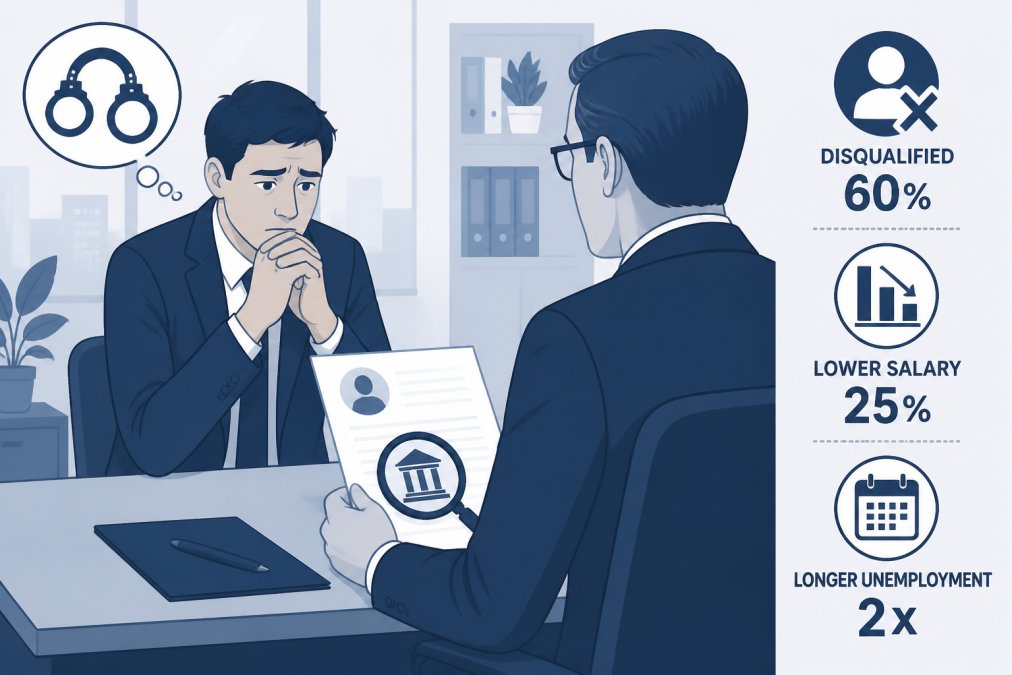
Immediate barriers to hiring often begin before you even get an interview. Many employers use third-party background screening companies that flag any conviction, misdemeanor, or arrest record. In healthcare, finance, education, and government positions, background investigations are standard and comprehensive. A felony conviction in these fields can permanently close doors. Even minor misdemeanors can disqualify candidates in roles involving direct access to vulnerable populations or sensitive information.
The timing of disclosure matters significantly. Many job applications ask directly: "Have you ever been convicted of a crime?" Lying creates additional legal liability, while honesty often means automatic rejection. This catch-22 situation affects millions of job seekers annually.
Conviction records and background screening have become increasingly sophisticated. Modern background check services compile digital footprints from multiple sources including court records, mugshots, and news articles. This digital permanence means your record follows you across industries and geographic regions.
Types of Criminal Records and Their Employment Impact
Not all criminal records carry equal weight in employment decisions. Understanding the distinction between felony and misdemeanor convictions, and how arrest records without conviction affect your prospects, helps you strategize your job search.
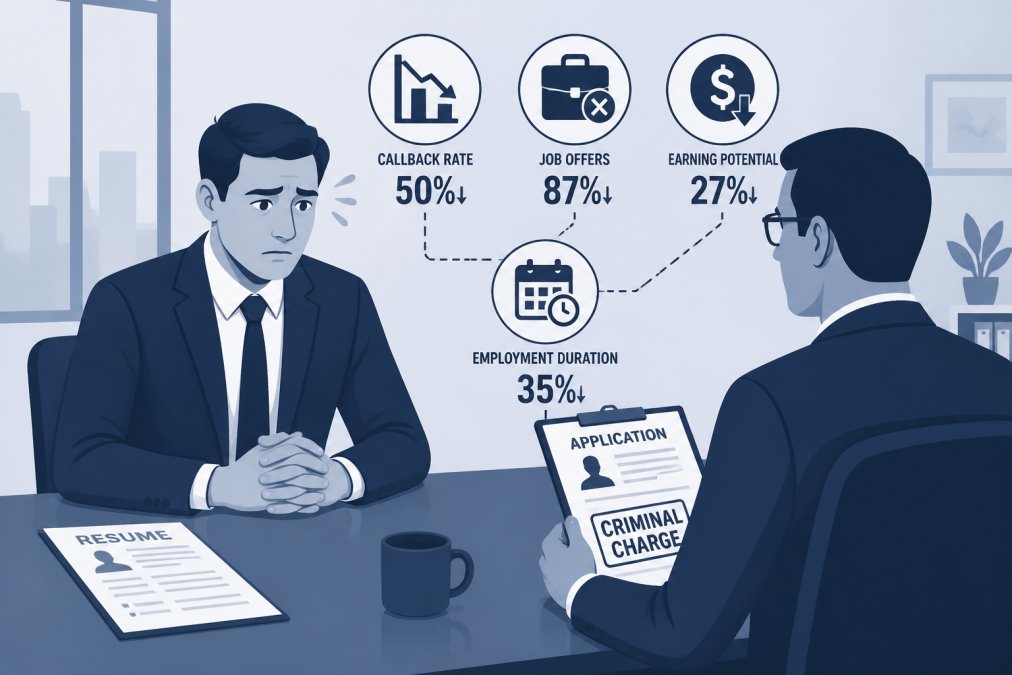
Felony convictions versus misdemeanor records create vastly different employment landscapes. Federal law allows employers to consider felony convictions indefinitely in most cases, though some states impose lookback periods. Misdemeanor convictions, while serious, often carry shorter employment barriers and may be easier to explain to potential employers. A felony for drug possession may disqualify you from nursing positions indefinitely due to licensing board requirements, but might not affect construction work eligibility.
Arrest records and non-conviction charges present a different challenge. If you were arrested but charges were dismissed or you were found not guilty, that arrest record may still appear on background checks in many states. Some employers treat arrests the same as convictions, creating employment barriers despite no conviction. Several states have begun restricting how employers can use non-conviction records through "ban-the-box" legislation, though federal law doesn’t prohibit employers from considering arrests.
Background Check Lookback Periods and What Employers Can See
The length of time an employer can consider your criminal history varies by jurisdiction and industry. Most states don’t impose statutory limits on how far back employers can look for felony convictions. However, some states have adopted "ban-the-box" laws that restrict lookback periods or require employers to assess rehabilitation before rejecting candidates.
California limits lookback periods to seven years for misdemeanors and ten years for felonies in many employment contexts, though law enforcement and certain professional licenses remain exempt. New York restricts consideration of convictions more than ten years old unless the position involves direct access to vulnerable populations. Federal contractors face different standards under the Fair Chance Act, which requires individualized assessment rather than blanket exclusions.
Arrest records without conviction typically can be considered indefinitely unless sealed or expunged, though some jurisdictions are moving toward restricting their use.
Professional Licensing Barriers and Collateral Consequences
Criminal charges create collateral consequences that extend beyond employment discrimination. Professional licensing boards use different standards than employers, often imposing permanent bars based on conviction type.
Restrictions in healthcare, law, education, and finance are particularly severe. Medical and nursing boards typically deny licensure to applicants with felony drug convictions, violent crime convictions, or sexual offense convictions. State bar associations evaluate "moral character," and criminal convictions, particularly those involving dishonesty, violence, or drug offenses, can result in permanent bar denial. Education boards often deny licensure to applicants with sexual offense convictions or crimes involving child endangerment.
Financial services licensing, required for roles in banking, investment, and insurance, involves regulatory review by bodies like the Financial Industry Regulatory Authority (FINRA). Felony convictions, particularly those involving fraud, theft, or dishonesty, typically result in permanent disqualification.
These collateral consequences often outlast the criminal sentence itself. A felony conviction might result in five years of incarceration, but the professional licensing bar lasts forever, creating a secondary punishment system that many people don’t anticipate until after completing their sentence.
Wage Gap and Long-Term Financial Impact of Criminal Charges
The long term effects of criminal charges on employment extend directly to your earning potential. Research consistently shows that individuals with criminal records earn significantly less than their peers without records, and the gap widens over time.
Career advancement and job tenure challenges compound the initial wage penalty. When you secure employment with a criminal record, you often start in lower-wage positions with fewer advancement opportunities. Employers may be reluctant to promote someone with a conviction into supervisory or client-facing roles. Job tenure suffers as well, with frequent job changes reducing opportunities for raises, benefits, and skill development.
The compounding effect over a 30-year career is substantial. An individual starting at 20% lower wages due to criminal record employment barriers, with slower advancement and more frequent job changes, could earn $500,000 to $1 million less over their lifetime compared to peers without records.
How to Explain a Criminal Record to an Employer
Strategic disclosure and honest communication about your criminal record can mitigate employment barriers. The goal is to frame your past in context while demonstrating rehabilitation and forward progress.
Disclosure timing and honest communication strategies require careful planning. If job applications provide space to explain, use it. Keep your explanation brief, two to three sentences maximum. Focus on the facts, the sentence imposed, and what you’ve done since. Avoid defensive language. If the application doesn’t allow explanation, address your record during the interview if you advance to that stage.
Demonstrating rehabilitation and reintegration is your strongest argument for employment consideration. Concrete evidence includes completion of educational programs or certifications, steady employment history since release, community service or volunteer work, participation in support groups or counseling, letters of recommendation, and time elapsed since conviction. Frame these accomplishments as evidence of your current character and reliability.
Expungement of Criminal Records and Record Sealing
Expungement and record sealing offer the most direct path to reducing long term effects of criminal charges on employment. These legal processes can remove or restrict access to criminal records, allowing you to legally answer "no" when asked about criminal history on job applications.
Eligibility requirements and the expungement process vary significantly by jurisdiction and offense type. Federal law doesn’t provide automatic expungement rights; each state sets its own standards. Some states allow expungement of misdemeanors after a waiting period (often 3-5 years). Felony expungement is more restrictive, though an increasing number of states are expanding eligibility.
California allows expungement of most non-violent felonies under Penal Code Section 1203.4 after successful completion of probation. New York permits expungement of certain convictions after 10 years without further criminal activity. The expungement process typically involves filing a petition with the court that handled your case, demonstrating that expungement is in the interests of justice.
How expungement affects employment opportunities is transformative but comes with important caveats. Once a record is expunged, you can legally state that you have no criminal record for most employment purposes. However, expungement isn’t complete erasure, law enforcement, licensing boards, and certain employers can still access sealed records. Additionally, expungement doesn’t retroactively erase your record from online sources or background check databases, though the official criminal record being sealed significantly improves your employment prospects.
EEOC Guidelines and Legal Protections Against Hiring Discrimination
Federal law provides limited but important protections against employment discrimination based on criminal records. Understanding these protections helps you identify illegal hiring practices and know when to seek legal recourse.
Fair Chance Act requirements and ban-the-box laws represent the primary federal and state protections. The Fair Chance Act, passed in 2015 and effective for federal contractors, prohibits blanket exclusions based on criminal history. Instead, employers must conduct individualized assessments of whether a conviction is directly related to the job and whether sufficient time has passed for rehabilitation.
Ban-the-box laws, adopted by numerous states and municipalities, prohibit employers from asking about criminal history on initial job applications. These laws require employers to wait until later in the hiring process before inquiring about convictions. However, these laws don’t prohibit employers from ultimately considering criminal history; they only restrict timing. Additionally, small businesses, certain industries, and positions requiring background checks for licensing reasons may be exempt.
Your legal rights as a job applicant with a record include protection against discriminatory hiring practices. Under Title VII of the Civil Rights Act, employers cannot use criminal history as a proxy for discrimination based on race, color, religion, sex, or national origin. If you’re rejected for employment and believe the rejection violated your legal rights, you can file a charge with the Equal Employment Opportunity Commission (EEOC) within 180-300 days of the alleged discrimination.
Criminal charges create lasting employment barriers that many people don’t fully appreciate until they’re searching for work with a record. The long term effects of criminal charges on employment reach far beyond initial rejection, affecting your lifetime earnings, career advancement, and access to licensed professions. If you’re facing criminal charges or already dealing with employment barriers from a conviction, the decisions you make now matter significantly. Naderi Law Office, Inc. specializes in protecting your future during criminal proceedings and can advise you on how charges might affect your employment prospects. Our team provides aggressive defense strategies designed to minimize potential penalties and long-term consequences. Contact us today for a free case evaluation to understand your options and secure the representation you deserve.
Frequently Asked Questions
How far back do employers look at criminal background checks?
Lookback periods vary by state and employer, but federal law generally allows employers to consider convictions that appear on criminal background checks. Some states restrict how far back employers can look for misdemeanors or older offenses. The Fair Chance Act and state ban-the-box laws require employers to delay background screening until later in the hiring process, but they don't eliminate access to conviction records entirely. Check your state's specific rules or consult a criminal defense attorney to understand what employers in your area can legally access.
What is the EEOC's guidance on using criminal records in hiring?
The EEOC requires employers to avoid discrimination based on arrest and conviction records, particularly when those records have a disparate impact on protected groups. Employers must demonstrate that considering criminal history is job-related and consistent with business necessity. The EEOC recommends individualized assessment of each applicant rather than blanket exclusions. Many states and cities have adopted ban-the-box policies that align with EEOC principles, delaying background screening until after initial interviews. Violations can result in employment discrimination claims.
Can I get a job with a pending criminal charge?
A pending charge is not a conviction, and many employers cannot legally consider pending charges during hiring. However, some employers may delay hiring decisions until charges are resolved. Disclosure depends on the job and employer policies. If you're asked directly, honesty is essential, lying about pending charges can be grounds for termination even after hiring. The best approach is to work with a criminal defense attorney to resolve charges quickly and favorably. Some employers view active legal cases as a risk, so resolving the matter strengthens your employment prospects.
Does expungement of criminal records actually help with employment?
Yes, expungement can significantly improve employment prospects. Once a record is expunged or sealed, you can legally answer 'no' when asked if you have a criminal record on most job applications. However, expungement doesn't erase records from law enforcement databases, some employers and licensing boards may still access sealed records. Expungement is most valuable for private sector jobs and helps you avoid the wage gap and career advancement barriers that conviction records create. Eligibility depends on the offense type, sentence, and time elapsed. A criminal defense attorney can determine if your record qualifies for expungement.
This article was written using GrandRanker