
Table of Contents
- Yes, You Can Win a DUI Case, Here’s What the Data Shows
- Common DUI Defense Strategies That Work
- Challenging Breathalyzer Results in Court
- The DMV Administrative Per Se Hearing Explained
- Police Misconduct and Procedural Errors That Defeat Charges
- Your Options: Trial, Plea Bargain, or Dismissal
- What Determines Whether You’ll Win Your Case
- Conclusion: Take Action Now
Last Updated: August 24, 2026
Yes, You Can Win a DUI Case, Here’s What the Data Shows
You can absolutely win a DUI case. Every year, thousands of individuals facing driving under the influence charges successfully fight their cases through dismissals, acquittals, or significantly reduced charges. The outcome depends on the specific facts of your arrest, the evidence against you, and the legal strategy your defense team deploys.
At Naderi Law Office, Inc., we’ve helped countless clients in Los Angeles County navigate DUI charges by identifying weaknesses in the prosecution’s case and challenging flawed evidence. The prosecution must prove guilt beyond a reasonable doubt, a burden much heavier than most assume. Procedural errors, improper testing, and constitutional violations happen far more often than the public understands.
This guide walks you through the most effective defenses, explains how to challenge key evidence, and shows you what determines whether you’ll win your case.
Common DUI Defense Strategies That Work
Winning a DUI case typically requires attacking one or more elements of the prosecution’s case. The strongest defenses target how the arrest was conducted, the reliability of the evidence, or violations of your constitutional rights.
Illegal Traffic Stop
A traffic stop must be based on reasonable suspicion that a traffic violation occurred or that criminal activity is afoot. If the officer lacked reasonable suspicion, everything that followed, including sobriety tests and chemical tests, may be inadmissible in court.
Many officers initiate stops based on vague observations like weaving slightly or traveling at an odd hour. These don’t necessarily constitute reasonable suspicion of impairment. A skilled defense attorney scrutinizes dashcam and bodycam footage to determine whether the officer’s stated reason for the stop actually holds up.
If the stop was unlawful, the entire arrest collapses. This is one of the most powerful defenses because it eliminates evidence at the source.
Improper Field Sobriety Testing
Field sobriety tests, the walk-and-turn, one-leg stand, and horizontal gaze nystagmus tests, are notoriously unreliable. They depend on subjective officer interpretation and are affected by numerous factors unrelated to impairment: poor lighting, uneven surfaces, physical condition, fatigue, and nervousness.
The National Highway Traffic Safety Administration (NHTSA) standardized these tests, but officers frequently administer them incorrectly. If the officer didn’t follow standardized procedures, the results are compromised. Expert witnesses can testify about why these tests fail to reliably indicate impairment.
Violation of Your Constitutional Rights
The Fourth Amendment protects you against unreasonable searches and seizures. The Fifth Amendment protects you against self-incrimination. If law enforcement violated these rights during your arrest, evidence obtained as a result may be suppressed.
Common constitutional violations include:
- Conducting a traffic stop without reasonable suspicion
- Extending a traffic stop beyond its original purpose
- Searching your vehicle without consent or a warrant
- Failing to read Miranda rights before custodial interrogation
- Coercing statements or confessions
When constitutional violations occur, a motion to suppress can exclude the tainted evidence from trial, often resulting in dismissal or a much weaker prosecution case.
Challenging Breathalyzer Results in Court
Breathalyzer machines are widely used but far from infallible. These devices measure breath alcohol content and extrapolate a blood alcohol concentration (BAC) estimate. Multiple factors can skew results, and improper maintenance or calibration renders them unreliable.
Effective challenges to breathalyzer evidence focus on:
Calibration and maintenance records. Breathalyzers must be calibrated regularly according to manufacturer specifications. If the prosecution cannot produce maintenance records showing proper calibration, the results are questionable.
Operator training and certification. The officer administering the test must be properly trained and certified. If the officer lacked required certification or didn’t follow proper procedures, the test result loses credibility.
Rising blood alcohol defense. Alcohol absorption continues for some time after drinking stops. If you were tested shortly after driving, your BAC may have been rising at the time of the test. An expert can calculate whether your BAC at the time of driving was lower than the test result suggests.
Medical conditions and substances. Certain medical conditions (GERD, diabetes) and substances (mouthwash, breath spray) can artificially elevate breathalyzer readings, undermining the test’s reliability.
Successfully challenging breathalyzer evidence frequently results in case dismissal or a favorable plea.
The DMV Administrative Per Se Hearing Explained
A DUI arrest triggers two separate proceedings: the criminal case and an administrative hearing before the Department of Motor Vehicles. Understanding this distinction is crucial because losing one doesn’t guarantee losing the other.
The DMV administrative per se hearing determines whether your driving privilege will be suspended. This hearing operates under different rules than criminal court, with a lower burden of proof (preponderance of the evidence rather than beyond a reasonable doubt), but consequences are limited to your license.
At the DMV hearing, the prosecution must prove three elements:
- You were lawfully arrested for DUI
- You were driving with a BAC of 0.08% or higher, or were impaired
- You were advised of the consequences of refusing or failing a chemical test
Winning at the DMV hearing preserves your driving privilege. Many people don’t realize they can fight this hearing separately from the criminal case. An experienced DUI attorney can challenge the evidence at both proceedings and often achieve better outcomes by addressing them strategically.
Police Misconduct and Procedural Errors That Defeat Charges
Police misconduct and procedural errors are among the most common reasons DUI cases are dismissed or reduced. Law enforcement must follow strict protocols, and deviations can invalidate evidence or the entire arrest.
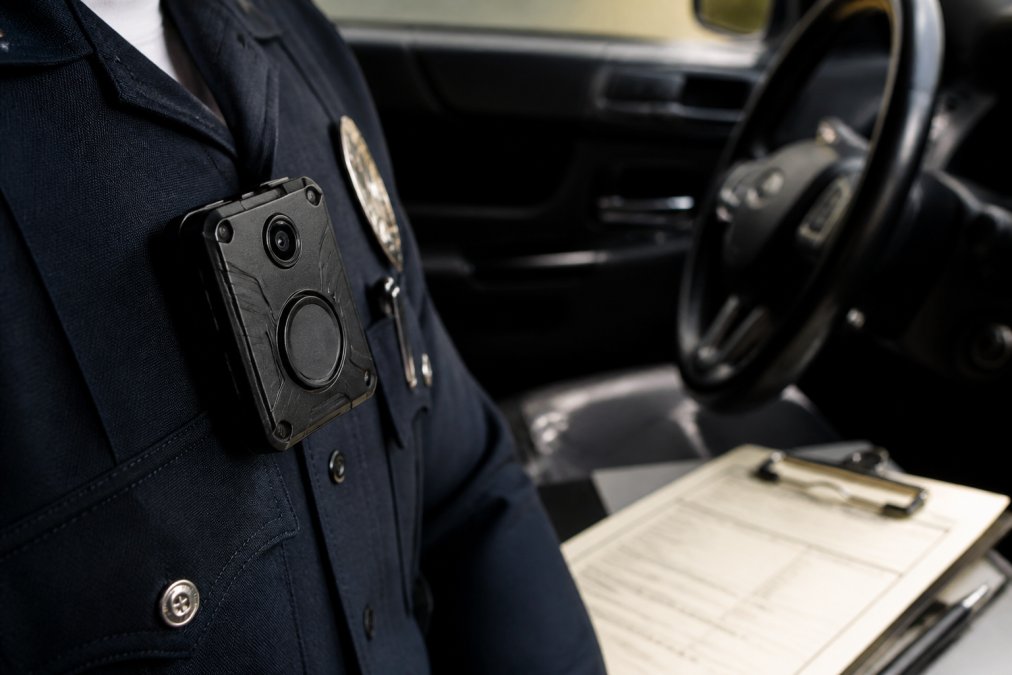
Common procedural errors include:
Failure to advise of rights. If you were in custody and questioned without being read your Miranda rights, your statements may be inadmissible.
Improper chain of custody. For blood or urine tests, the sample must be properly collected, stored, and handled. If the chain of custody is broken, the test results become inadmissible.
Unlawful detention. An officer cannot detain you longer than necessary to conduct the traffic stop. If the stop was extended beyond its purpose, the extension may be unlawful.
Failure to provide discovery. Prosecutors must turn over all evidence to the defense, including dashcam footage, bodycam video, and toxicology reports. Withholding evidence is grounds for dismissal.
Coerced consent. If an officer obtained consent to search your vehicle through coercion or threats, the search is unlawful and results are inadmissible.
Naderi Law Office, Inc. thoroughly examines police reports, video evidence, and witness statements to identify procedural violations that strengthen your defense.
Your Options: Trial, Plea Bargain, or Dismissal
After arrest, you have three primary paths forward: proceed to trial, negotiate a plea bargain, or work toward dismissal.
Trial. If the evidence is weak or constitutional violations occurred, taking your case to trial may be your best option. At trial, the prosecution must prove guilt beyond a reasonable doubt. You have the right to cross-examine witnesses, present your own evidence, and challenge the prosecution’s case. A jury verdict of not guilty results in acquittal and no conviction.
Plea bargain. Many DUI cases are resolved through negotiated plea agreements. The prosecution may agree to reduce charges (from DUI to wet reckless, for example) or recommend lighter sentencing in exchange for a guilty plea. A plea bargain resolves the case quickly but results in a conviction.
Dismissal. If the prosecution’s evidence is fundamentally flawed or constitutional violations occurred, the case may be dismissed entirely. Dismissal means no conviction, no criminal record, and no license suspension.
The right choice depends on the specifics of your case. An experienced defense attorney evaluates the evidence, identifies weaknesses, and recommends the strategy most likely to protect your freedom and future.
What Determines Whether You’ll Win Your Case
Several factors significantly influence the outcome of a DUI case:
The strength of the evidence against you. If the prosecution has reliable chemical test results and clear documentation, your case is more difficult. Conversely, if evidence is questionable or obtained improperly, your chances improve substantially.
Procedural compliance. Did the officer follow proper procedures during the stop, arrest, and testing? Procedural errors often provide grounds for suppressing evidence or dismissing the case.
The quality of your legal representation. An attorney who understands DUI science, knows how to challenge chemical tests, and can identify constitutional violations dramatically improves your chances. You need an attorney with specific DUI expertise.
Your prior criminal history. First-time offenders often receive more favorable treatment than repeat offenders.
Witness credibility and availability. Strong witness testimony supporting your defense can be decisive. If the prosecution’s key witness is unavailable or their credibility is questionable, the case weakens.
The jurisdiction. Some courts and prosecutors are more aggressive with DUI cases than others. Local legal culture and judicial philosophy matter.
Expert testimony. Scientific experts who can testify about breathalyzer reliability, field sobriety test accuracy, or toxicology can substantially strengthen your defense.
Naderi Law Office, Inc. analyzes all these factors in your case and develops a strategy designed to maximize your chances of a favorable outcome.
Conclusion: Take Action Now
Winning a DUI case is possible, but the window for building a strong defense closes quickly. Evidence degrades, witnesses’ memories fade, and procedural opportunities are lost if not pursued promptly. The moment you’re arrested, you need experienced legal representation.
Naderi Law Office, Inc. provides aggressive criminal defense representation with 24/7 availability. Our seasoned attorneys have extensive experience challenging DUI evidence, identifying constitutional violations, and negotiating favorable outcomes. We offer personalized legal strategies and a free case evaluation to help you understand your options and protect your future.
Contact Naderi Law Office, Inc. today for a confidential consultation. Your freedom depends on the decisions you make now.
External Sources & Further Reading
According to the California Department of Motor Vehicles administrative per se hearing guidelines, the DMV operates independently from criminal court proceedings when determining license suspension eligibility.
Research from the National Highway Traffic Safety Administration on field sobriety test standardization documents the specific procedures required for proper administration and the documented accuracy limitations of these tests.
The American Bar Association’s guidelines on DUI defense emphasize the importance of challenging chemical test reliability and identifying procedural violations early in the defense process.
Frequently Asked Questions
Are DUI cases hard to win?
DUI cases are winnable, but success depends on the specific facts of your arrest. Weak evidence, such as an improperly administered field sobriety test, an illegal traffic stop, or a breathalyzer that wasn't properly calibrated, can lead to dismissal or acquittal. Police misconduct and constitutional violations also provide strong grounds for defense. The strength of your case depends on what actually happened during your stop and arrest.
What are the most common DUI defense strategies?
Common DUI defense strategies include challenging the legality of the traffic stop, questioning field sobriety test administration, attacking breathalyzer accuracy and calibration, arguing improper police procedures, and invoking Fourth Amendment protections against unlawful search and seizure. An experienced attorney can identify which defenses apply to your specific situation and build a strategy around the weaknesses in the prosecution's evidence.
How does the DMV administrative per se hearing differ from criminal court?
The DMV administrative per se hearing determines whether your license will be suspended, while criminal court addresses the DUI charge itself. These are separate proceedings with different burdens of proof. The DMV hearing happens first and focuses on whether you were driving with a blood alcohol concentration above the legal limit. Winning one does not guarantee success in the other, so both require strategic defense.
Can a breathalyzer result be challenged in court?
Yes. Breathalyzers are machines and can malfunction, be improperly calibrated, or be administered incorrectly. An attorney can request maintenance records, calibration logs, and operator certification to challenge the test's reliability. If the device wasn't properly maintained or the officer wasn't certified to administer it, the results may be inadmissible in court, significantly weakening the prosecution's case.
This article was written using GrandRanker