
Table of Contents
- Immediate Steps to Take After Criminal Charges
- Securing a Criminal Defense Attorney Immediately
- Understanding the Criminal Justice Process After Charges
- Evaluating Plea Bargain Offers and Your Options
- Protecting Your Employment, Housing, and Digital Footprint
- Financial Planning and Mental Health Support
- Common Mistakes to Avoid During Criminal Proceedings
- Conclusion
Last Updated: July 30, 2026
When arrested and facing criminal charges, the hours that follow are critical. The decisions you make immediately can significantly impact your case outcome, freedom, and future. Understanding the steps to take after criminal charges are filed protects your rights, livelihood, and mental health during one of life’s most stressful periods. At Naderi Law Office, Inc., we’ve guided countless individuals through this process, and we know that clarity and immediate action make all the difference.
This guide covers essential steps to take after criminal charges, from managing your digital footprint to preserving evidence that could help your defense.
Immediate Steps to Take After Criminal Charges
The first hours after arrest are when people make their biggest mistakes. Your immediate priority is protecting your constitutional rights while establishing a clear record of what happened.
Exercise Your Rights After Arrest
Your rights begin the moment law enforcement makes contact with you. The most important thing you can do is remain silent. This isn’t about appearing guilty, it’s about exercising your Fifth Amendment protection against self-incrimination. Anything you say can and will be used against you in court, even if you believe you’re explaining an innocent situation.
When arrested, you have three core rights: the right to remain silent, the right to refuse a search of your person or property without a warrant, and the right to an attorney. Say clearly: "I want to speak with an attorney before answering any questions." If you cannot afford one, request a public defender immediately.
Law enforcement may pressure you to cooperate, claiming that talking will help your case or that silence makes you look guilty. These are common tactics that don’t change the fact that anything you say can be used against you.
Speaking to police without an attorney present is the single most common mistake people make after arrest. Even if you believe you’re innocent, police statements are often misinterpreted, misremembered, or deliberately misrepresented in court. Once words are spoken, they cannot be unspoken.
Document Everything
From the moment you’re arrested, create a detailed record of what happens. Write down times, names of officers, badge numbers, what was said, and detention conditions. This documentation becomes evidence your attorney can use.
Pay attention to how you’re treated. Were you read your Miranda rights before questioning? Were you given access to a phone? How long were you detained before your initial appearance? If injured during arrest, photograph injuries immediately and document them in writing. Note any witnesses and get their names and contact information if possible.
Securing a Criminal Defense Attorney Immediately
The most critical step after criminal charges is securing legal representation. An experienced criminal defense attorney protects your rights and ensures you understand every decision you make. This should happen before your initial appearance in court.
Public Defender vs. Private Counsel
If you cannot afford an attorney, you have the right to a public defender. Public defenders are experienced criminal defense attorneys who handle cases daily and understand the court system.
However, public defenders carry heavy caseloads, which means your case receives less individualized attention. Private criminal defense attorneys typically carry smaller caseloads, allowing more thorough focus on your specific situation.
Naderi Law Office, Inc. provides aggressive criminal defense representation with personalized attention to each case. Our team is available 24/7, meaning you can reach us immediately after arrest rather than waiting for business hours. We offer a free case evaluation so you understand your situation and options before making any decisions.
If you’re released on bail or bond, interview multiple attorneys before deciding. Ask about their experience with similar cases, their defense approach, and how they communicate with clients. The right attorney is one you trust to advocate fiercely for your interests.
What to Expect in Your First Consultation
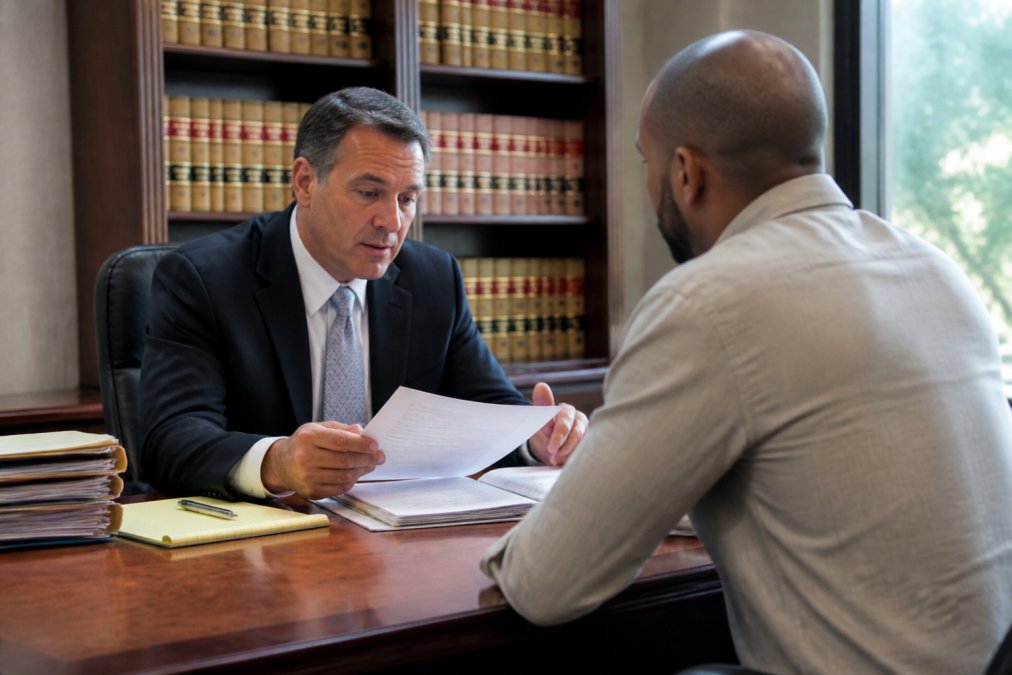
Your first meeting with an attorney will include gathering detailed information about your arrest, the charges, and your background. They’ll explain the criminal justice process, the specific charges you’re facing, and potential outcomes.
Be completely honest with your attorney. Attorney-client privilege means everything you tell them is confidential. Your attorney needs the full truth to develop the strongest defense strategy. Ask about their communication style and how often they’ll update you.
Understanding the Criminal Justice Process After Charges
The criminal justice process involves multiple stages, each with specific legal procedures and opportunities to challenge evidence or negotiate outcomes.
Arrest and Booking
Arrest occurs when law enforcement takes you into custody based on probable cause that you committed a crime. Booking is the administrative process that follows, recording your personal information, taking photographs and fingerprints, conducting background checks, and documenting the alleged offense. During booking, your personal property is inventoried and stored. You have the right to make a phone call, use it to contact an attorney or family member who can help you contact one.
Initial Appearance and Arraignment
Your initial appearance must occur within 72 hours of arrest (in some jurisdictions, within 24 hours). At this hearing, you’ll be informed of the charges, your rights, and available bail or bond options.
An arraignment is where you enter a plea (guilty, not guilty, or no contest) to the charges. In most cases, defendants enter a not guilty plea at arraignment to preserve their rights. Your attorney will advise you on how to plead.
Bail and Bond Hearings
Bail is money you pay to be released from custody while your case proceeds. If you cannot afford bail, the court may set bond conditions, requirements you must follow to remain free, such as regular check-ins or restrictions on where you can go.
At a bail hearing, the judge considers your ties to the community, employment, criminal history, and charge severity. Your attorney will present arguments for reasonable bail based on your specific circumstances. Remaining in custody while awaiting trial makes it harder to work with your attorney, maintain employment, and prepare your defense.
Preliminary Hearing and Probable Cause
A preliminary hearing tests whether the prosecution has enough evidence to proceed with charges. The prosecution presents evidence, usually through witness testimony and documents. Your attorney can cross-examine witnesses and challenge the evidence.
If the judge finds insufficient probable cause, charges may be dismissed. If probable cause is found, the case proceeds. This hearing gives your attorney an early look at the prosecution’s evidence and witnesses, helping identify weaknesses in their case.
Discovery and Evidence Preservation
Discovery is the process by which both sides exchange evidence. The prosecution must provide all evidence in their possession, including police reports, witness statements, physical evidence, and any exculpatory evidence that might prove your innocence or reduce your culpability.
Your attorney will review discovery materials carefully, looking for weaknesses in the prosecution’s case, inconsistencies in witness statements, and evidence supporting your defense. If evidence exists that could help your defense, you must ensure it’s preserved. Your attorney will send preservation letters to relevant parties requesting they maintain this evidence.
The discovery process often reveals that the prosecution’s case is weaker than it initially appeared. Inconsistent witness statements, missing evidence, or procedural violations frequently lead to charges being reduced or dismissed before trial.
Pretrial Motions
Pretrial motions are formal requests to the court asking for specific rulings before trial. A motion to suppress is particularly powerful, if evidence was obtained through an illegal search, without proper Miranda warnings, or through other constitutional violations, the court may exclude it from trial. Without key evidence, the prosecution’s case may collapse.
Evaluating Plea Bargain Offers and Your Options
Many criminal cases are resolved through plea agreements rather than trial. Understanding how plea bargains work is essential to making informed decisions.
How Plea Agreements Work
A plea agreement is a negotiated settlement between you and the prosecution. You agree to plead guilty to certain charges in exchange for the prosecution dismissing other charges or recommending a lighter sentence.
Your attorney will negotiate with the prosecution on your behalf, presenting evidence of mitigating factors and discussing weaknesses in their case. Before accepting any plea agreement, you must understand exactly what you’re agreeing to. You’ll be waiving your right to trial, your right to confront witnesses, and your right to appeal most issues.
Weighing Trial vs. Settlement
Deciding whether to accept a plea agreement or proceed to trial is one of the most important decisions in your case. Factors to consider include the strength of the prosecution’s case, the quality of their evidence and witnesses, the severity of charges, potential sentences, and your personal circumstances.
If the prosecution has strong evidence and conviction at trial would result in a harsh sentence, a reasonable plea agreement might be your best option. Conversely, if their case is weak or the plea agreement doesn’t meaningfully reduce your exposure, proceeding to trial might be worth the risk. Your attorney should present this analysis clearly, explaining realistic outcomes of both options.
Protecting Your Employment, Housing, and Digital Footprint
Criminal charges can impact your employment, housing, and reputation. Taking steps to protect these areas now minimizes long-term damage.
Managing Employment and Professional License Concerns
Criminal charges can jeopardize your employment, especially in regulated professions like law, medicine, nursing, and finance where professional licenses may be suspended or revoked.
Inform your employer only if necessary. If you hold a professional license, consult with your attorney immediately about potential consequences. Document your employment history, performance reviews, and any letters of recommendation, as these materials can be useful if employment is threatened.
Housing Rights During Pending Charges
Criminal charges don’t automatically affect your housing, but they can create complications. Review your lease carefully, some leases include provisions allowing eviction based on criminal charges. If eviction is threatened, consult with your attorney about your rights.
Controlling Your Digital Footprint
Do not post about your case on social media. Anything you post can be used against you. Search for yourself online to see what information is publicly available and discuss removal options with your attorney.
Request that friends and family not post about your situation. Explain that their posts could inadvertently harm your case.
Financial Planning and Mental Health Support
Criminal charges create both financial and emotional stress. Planning for these impacts helps you maintain stability.
Creating a Legal Defense Budget
Criminal defense is expensive. Attorney fees, expert witnesses, investigators, and other costs add up quickly. Understand costs upfront and discuss payment plans with your attorney.
Create a realistic budget for your defense, considering not just attorney fees but also investigator costs, expert witnesses, and court filing fees. Many people finance their defense through savings, family loans, or payment plans with their attorney.
Managing the Psychological Impact of Criminal Charges
Being charged with a crime is psychologically traumatic. You may experience anxiety, depression, shame, or fear about your future. These feelings are normal but can interfere with your ability to work with your attorney.
Consider seeking mental health support. A therapist or counselor can help you process the emotional impact and develop coping strategies. Be honest with your attorney about your mental state, they can help you find resources. Maintain your physical health as well, as exercise, sleep, and nutrition all impact your mental health and ability to cope.
Mental health support during criminal proceedings is practical self-care that helps you maintain the emotional stability needed to work effectively with your attorney and make sound decisions about your case.
Common Mistakes to Avoid During Criminal Proceedings
The first major mistake is speaking to police without an attorney present. No matter what police tell you, do not answer questions without your attorney.
The second mistake is discussing your case with anyone except your attorney. Conversations with friends, family, or cellmates can be reported to prosecutors and used against you. Keep case discussions limited to your attorney.
The third mistake is failing to follow bail or bond conditions. Violating conditions can result in your release being revoked and you being held in custody until trial.
The fourth mistake is missing court dates. Missing an appearance can result in additional charges and forfeiture of bail. If you cannot make a scheduled appearance, contact your attorney immediately.
The fifth mistake is continuing criminal behavior while facing charges. Subsequent arrests dramatically worsen your situation and demonstrate to judges that you’re a danger to the community.
The sixth mistake is failing to preserve evidence. Alert your attorney to any evidence you’re aware of that could help your defense.
The seventh mistake is making major life changes without consulting your attorney. Discuss any significant changes with your attorney first, as they could affect bail conditions or your defense strategy.
Conclusion
The steps to take after criminal charges are filed determine the trajectory of your case and your life. From arrest through trial or plea agreement, every decision matters. The most important action you can take is securing experienced legal representation immediately.
Naderi Law Office, Inc. provides aggressive criminal defense representation with 24/7 availability, personalized legal strategies, and a proven track record of protecting clients’ rights and minimizing penalties. We offer a free case evaluation so you understand your situation and options before making any decisions.
Frequently Asked Questions
What are my rights after arrest and criminal charges are filed?
You have constitutional rights including the right to remain silent (Fifth Amendment protection against self-incrimination), the right to an attorney, and the right to due process. You should not answer police questions without your criminal defense attorney present. You have the right to a speedy trial, to confront witnesses, and to refuse searches without a warrant. Exercise these rights immediately by invoking them clearly and requesting legal representation.
How quickly do I need to hire a criminal defense attorney after charges?
Securing a criminal defense attorney immediately is critical, ideally before your first court appearance. The early stages of the criminal justice process, including arraignment and bail hearings, significantly impact your case outcome. If you cannot afford private counsel, request a public defender at your initial appearance. Your attorney can protect your rights during booking, investigation, and early discovery phases.
What happens during an arraignment and what should I expect?
An arraignment is your first formal court appearance where you are informed of charges, advised of your rights, and the court addresses bail or bond. You will enter a plea (not guilty, guilty, or no contest). Your criminal defense attorney will help you understand the charges and advise on your plea. This is not a trial, it is a procedural hearing. The magistrate or judge will set conditions of release and explain the criminal court process timeline ahead.
How can I protect my job and professional license during pending criminal charges?
Consult your criminal defense attorney about disclosure obligations to your employer. Some professions (law, medicine, education) have mandatory reporting requirements, while others do not. You may have rights to privacy during investigation phases. Your attorney can help you understand employment law protections and whether you can request confidentiality in court filings. Consider addressing licensing boards proactively with legal counsel rather than waiting for notification.
What should I know about plea bargains and when should I consider one?
A plea bargain is a negotiated agreement where you plead guilty to reduced charges or accept a lighter sentence in exchange for avoiding trial. Your criminal defense attorney will evaluate prosecution evidence, your defense strengths, and potential trial outcomes. Plea agreements can minimize penalties and provide certainty, but they require you to waive trial rights. Only accept a plea bargain with full understanding of consequences and after thorough discussion with your attorney.
How much will criminal defense representation cost, and what are my payment options?
Naderi Law Office, Inc. offers a free case evaluation to discuss your situation and legal options. Pricing for criminal defense representation varies based on case complexity, charges, and whether the case proceeds to trial. Contact Naderi Law Office, Inc. directly for a detailed quote and to discuss payment arrangements that fit your financial situation. We are available 24/7 to answer your questions about representation costs.
What is the discovery process and why is evidence preservation important?
Discovery is the phase where prosecutors and your criminal defense attorney exchange evidence. The prosecution must disclose evidence supporting charges and any exculpatory evidence. Your attorney requests documents, witness statements, police reports, and forensic results. Evidence preservation is critical, your attorney may file motions to prevent destruction of evidence. Early discovery helps identify weaknesses in the prosecution's case and informs your plea bargain or trial strategy.
If you’re facing criminal charges, don’t navigate this alone. Contact Naderi Law Office, Inc. today for a free case evaluation. Our team of seasoned attorneys is ready to protect your freedom and your future with aggressive defense strategies tailored to your specific case. Your initial consultation is confidential and comes with no obligation. Reach out now, the decisions you make in the next 24 hours could determine your entire case outcome.
This article was written using GrandRanker