
Table of Contents
- Immediate Actions: The First 24 Hours After a Criminal Charge
- Understanding Your Right to Remain Silent
- What Happens at an Arraignment
- Hiring a Criminal Defense Attorney Consultation
- Bail, Release Conditions, and Pretrial Motions
- Protecting Your Employment and Professional Licenses
- Building Your Defense Strategy
Last Updated: August 13, 2026
Immediate Actions: The First 24 Hours After a Criminal Charge
The moments immediately following a criminal charge are critical. Your decisions in the first 24 hours can significantly impact the trajectory of your case. The most important step is to exercise your constitutional right to remain silent and request legal representation immediately.

Do not speak to police officers, detectives, or anyone else about the allegations against you without an attorney present. Anything you say can and will be used against you in court. This isn’t paranoia, it’s constitutional protection. Law enforcement is trained to extract information, and even innocent explanations can be twisted or misinterpreted.
Contact a criminal defense attorney immediately. If you cannot afford one, request a public defender at your first court appearance. Do not wait. Do not assume you can explain your way out of the situation. Do not post about the charge on social media or discuss it with friends, family, or coworkers, those conversations can become evidence.
Document everything you remember about the arrest: the time, location, officers involved, what was said, and any witnesses present. Write this down while details are fresh. This information will be crucial for your attorney to build your defense strategy.
Secure your personal belongings and understand what was taken during the arrest. Request an inventory of seized items. If police conducted a search, note exactly what they took and from where. This documentation may become relevant if pretrial motions about evidence handling arise.
Understanding Your Right to Remain Silent
Your right to remain silent is guaranteed by the Fifth Amendment. This protection is absolute, you have no obligation to answer police questions, and exercising this right cannot be held against you in court.
The moment you’re arrested or detained, invoke this right clearly. Say: "I want to speak to an attorney. I’m exercising my right to remain silent." Do not engage in casual conversation with officers, even about seemingly innocent topics. Police are skilled at using friendly conversation to extract admissions or incriminating statements.
Many people believe that remaining silent makes them look guilty. The opposite is true in the legal system. Your silence is a protected constitutional right, and juries are instructed that they cannot draw negative inferences from your decision not to speak to police. Your attorney will advise you on when and how to address allegations through proper legal channels.
Social media conduct deserves special attention here. Anything you post, like, comment on, or share after your arrest can be used as evidence. Prosecutors regularly subpoena social media records. If you’ve been charged with a crime, assume everything you do online is discoverable. The safest approach is complete digital silence until your attorney advises otherwise.
Do not discuss the case with cellmates, bail bondsmen, or anyone in custody. Jails are full of informants. Anything you say can be recorded and reported to prosecutors. Your attorney is the only person you should discuss your case with, and those conversations are protected by attorney-client privilege.
What Happens at an Arraignment
An arraignment is your first court appearance after arrest. This is where you’re informed of the charges against you, advised of your rights, and bail conditions are set. Understanding what happens at an arraignment helps you prepare mentally and practically for the process ahead.
You’ll be brought before a judge who will read the complaint, the formal document outlining the allegations against you. The prosecutor will be present, and if you have an attorney, they’ll stand beside you. At this stage, you do not have to enter a plea. In fact, most criminal defense attorneys advise their clients to enter a "not guilty" plea at arraignment, regardless of the facts. This preserves your right to negotiate, gather evidence, and challenge the prosecution’s case.
The judge will determine bail or release conditions. Bail is the amount of money required to secure your release from custody while your case proceeds. Release conditions might include restrictions on travel, mandatory check-ins, or orders to avoid contact with certain people. If you cannot afford bail, the judge may release you on your own recognizance, meaning your promise to return to court.
This is not the time to make speeches or explain yourself to the judge. Let your attorney handle all communication. Many defendants hurt their cases by trying to convince the judge of their innocence at arraignment. That’s not the purpose of this hearing. The judge’s role is administrative: confirm your identity, inform you of charges, and set bail. Your defense strategy comes later.
Ask your attorney about bail reduction if the amount set is unreasonable or unaffordable. Many judges will reconsider bail at a bail reduction hearing if circumstances warrant it. Your attorney can present evidence of your ties to the community, employment, family obligations, and lack of flight risk to argue for lower bail or release without bail.
Hiring a Criminal Defense Attorney Consultation
Hiring the right criminal defense attorney is perhaps the most important decision you’ll make in your case. Your attorney is your advocate, strategist, and protector of your constitutional rights. This decision should not be made hastily or based solely on price.
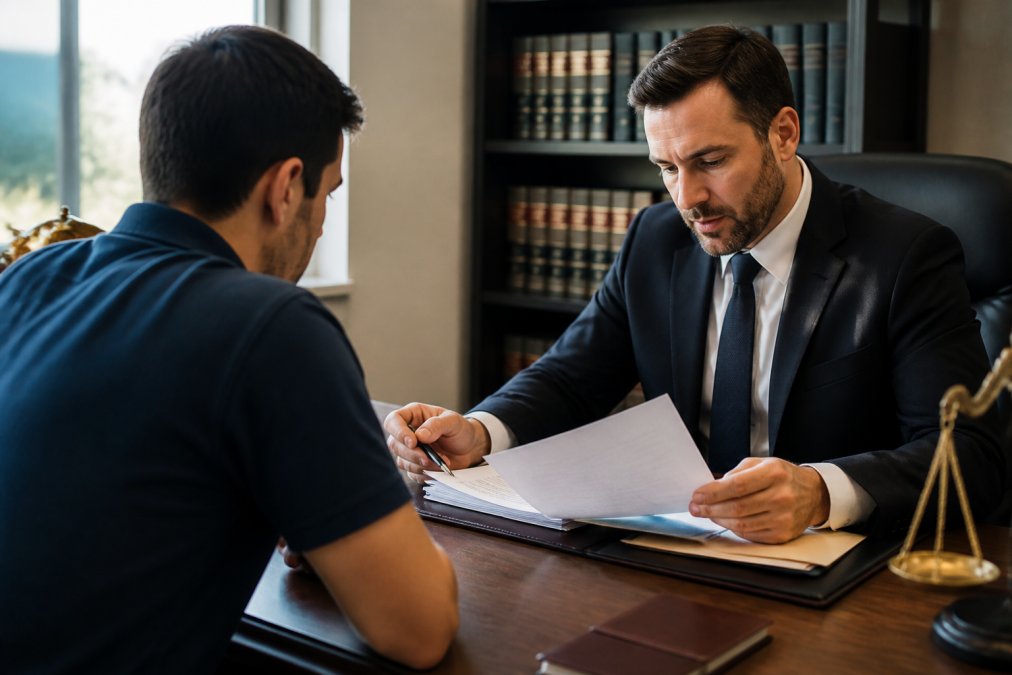
During your initial consultation, ask specific questions about the attorney’s experience with cases similar to yours. How many cases have they tried to verdict? What’s their experience with the specific charges you’re facing? Do they handle assault cases, drug charges, theft, or felonies? An attorney experienced in one area may not be the best choice for another.
Discuss their communication style and availability. Criminal defendants often worry about attorney responsiveness. This concern is legitimate. Ask directly: How often will you receive updates? What’s the expected response time for calls and emails? Will the same attorney handle your case, or will associates take over portions of it? Naderi Law Office, Inc. is available 24/7 specifically because criminal charges don’t operate on business hours, your attorney shouldn’t either.
Understand the fee structure completely before hiring. Criminal defense fees vary widely depending on case complexity, charges, and whether the case goes to trial. Some attorneys charge flat fees for specific services; others charge hourly rates. Ask what’s included in their fee and what costs extra. This transparency prevents surprises later.
Ask about their investigation approach. Will they hire investigators to interview witnesses, verify alibi evidence, or challenge police procedures? Will they obtain police reports, body camera footage, and dispatch records? A thorough criminal defense requires investigation beyond what the prosecution provides.
Request references or case results when possible. Many attorneys will discuss general outcomes or types of cases they’ve handled. This gives you insight into their track record. However, attorney-client privilege means they cannot discuss specific case details without client consent.
Trust your instincts about whether you’re comfortable working with this attorney. You’ll be sharing sensitive information and relying on their judgment during an extremely stressful time. If something feels off, keep looking. The right attorney-client relationship is built on mutual trust and clear communication.
Bail, Release Conditions, and Pretrial Motions
Bail serves one purpose: ensuring your appearance at future court dates. It is not punishment. The Eighth Amendment prohibits excessive bail, but judges have discretion in setting amounts based on factors like criminal history, ties to the community, employment, and flight risk.
If bail is set too high, your attorney can file a motion to reduce bail. Present evidence of stable employment, family in the area, property ownership, and lack of prior failures to appear. If you have no criminal history and strong community ties, argue for release on your own recognizance, no bail required.
Pretrial release conditions often include restrictions. You might be prohibited from traveling outside the county, required to check in with a bail agent or court regularly, ordered to avoid contact with alleged victims or witnesses, or subjected to electronic monitoring. Violating these conditions can result in bail revocation and immediate custody.
Pretrial motions are requests to the court for specific rulings or actions before trial. A motion to suppress evidence is one of the most important. If police violated your constitutional rights during arrest or search, for example, conducting a search without a warrant or probable cause, your attorney can file a motion to suppress. If successful, the illegally obtained evidence cannot be used against you, which often destroys the prosecution’s case.
Other pretrial motions might challenge the sufficiency of the complaint, request discovery of evidence the prosecution has gathered, or seek dismissal on procedural grounds. Your attorney will identify which motions are appropriate for your specific situation.
Discovery is the process by which both sides exchange evidence. The prosecution must provide you with police reports, witness statements, physical evidence, lab results, and any exculpatory evidence, information that could prove your innocence or reduce culpability. Your attorney must thoroughly review all discovery to identify weaknesses in the prosecution’s case and develop your defense strategy.
Protecting Your Employment and Professional Licenses
A criminal charge threatens more than your freedom, it threatens your livelihood. Employment consequences and professional license suspension are real risks that deserve immediate attention and strategic planning.
Many employers will discover a criminal charge through background checks or public records. Some states allow employers to terminate employees based on arrests alone, while others require conviction. Regardless, a criminal charge creates workplace complications. Your employer may suspend you pending resolution, reassign you, or terminate you outright.
If you hold a professional license, attorney, doctor, nurse, accountant, contractor, or dozens of other professions, a criminal conviction can result in license suspension or revocation. Some charges trigger automatic license review processes. Others require formal disciplinary hearings. The consequences extend far beyond the criminal case itself.
Inform your attorney immediately about your employment situation and any professional licenses you hold. This information affects your defense strategy. For example, if a conviction would destroy your career, your attorney might pursue pretrial diversion programs, negotiate for reduced charges, or seek alternative sentencing that avoids conviction. These options may not be available in all cases, but your attorney needs to know your stakes.
Do not discuss your case with coworkers or employers. Do not post about it on social media. Do not assume your employer won’t find out. In the digital age, information spreads quickly. The safest approach is professional discretion. Inform your employer only what’s legally required, and let your attorney guide that communication.
Request that your attorney investigate whether diversion or deferred adjudication programs are available. These programs allow charges to be dismissed upon successful completion of probation or other conditions. A dismissed charge may not appear on background checks or may be sealed, protecting your employment and professional standing.
Building Your Defense Strategy
Your defense strategy begins the moment you hire your attorney. It’s not something that happens only weeks before trial. Every piece of evidence gathered, every witness interviewed, and every motion filed is part of building your defense.
Your attorney will conduct a thorough investigation. This includes obtaining police reports, dashcam and bodycam footage, dispatch records, witness statements, and any physical evidence. They’ll review how police conducted the arrest, whether probable cause existed, and whether your constitutional rights were violated. Many cases are won through discovery of police misconduct or evidence suppression, not through trial.
Evidence evaluation is critical. Your attorney will identify weaknesses in the prosecution’s case: inconsistent witness statements, gaps in evidence, procedural violations, or alternative explanations for the evidence. They’ll determine what evidence helps your case and what must be challenged or explained.
Witness strategy matters significantly. Your attorney will interview witnesses who can support your defense, establish their credibility, and prepare them for testimony. They’ll also prepare you to testify if that’s strategically sound, and often, it’s not. Your attorney will advise whether your testimony helps or hurts your case.
Plea negotiation is often part of defense strategy. The prosecution may offer to reduce charges or recommend lighter sentencing in exchange for a guilty plea. Your attorney will evaluate whether such offers are reasonable compared to trial risk. Going to trial is risky, conviction means a criminal record and potential incarceration. A negotiated plea might result in reduced charges, lesser penalties, or alternative sentencing. These decisions are yours to make, but your attorney should provide clear analysis of the risks and benefits.
Naderi Law Office, Inc. develops personalized defense strategies tailored to your specific situation. Whether your case involves assault, drug charges, theft, or other felonies, the approach is the same: aggressive investigation, thorough evidence analysis, and strategic decision-making focused on protecting your freedom and future.
Frequently Asked Questions
What should I do immediately after being arrested or charged with a crime?
First, remain calm and do not resist arrest. Ask clearly for a lawyer and do not answer questions without one present. Provide only your name and basic identification. Contact a trusted family member or friend to help you secure legal representation. Document the arrest details, who arrested you, when, where, and what was said. Avoid posting about your arrest on social media or discussing the case with anyone except your attorney. These initial hours are critical to protecting your rights and building your defense.
What happens at an arraignment, and what should I expect?
An arraignment is your first court appearance where you are informed of the charges against you and your rights. The prosecutor presents the complaint, and the judge will address bail or release conditions. You will be asked to enter a plea, typically not guilty at this stage. This is not the time to testify or explain your side; your criminal defense attorney consultation should happen before arraignment so your lawyer can advise you on the best approach. The judge may set conditions for your release, such as bail, a promise to appear, or restrictions on your activities.
How much will a criminal defense attorney cost me?
Attorney fees depend on the complexity of your case, the charges you face, and whether you hire a public defender or private counsel. Public defenders are provided at no cost if you qualify financially. Private criminal defense attorneys typically charge hourly rates or flat fees for specific services. Discuss all costs upfront with your attorney before retaining them. Many offices, including ours, offer free initial consultations so you can understand your options and pricing before making a commitment.
Can I keep my arrest or criminal charge confidential from my employer?
Arrests and charges are part of the public record, so your employer may discover them through background checks or public court records. However, you are not required to disclose an arrest unless your job specifically requires it or you are asked directly. Consult with your criminal defense attorney about your specific situation and industry, as some professions have mandatory reporting requirements. Your attorney can advise you on how to protect your professional standing and whether plea negotiations might help minimize the impact on your career or professional licenses.
Being charged with a crime is overwhelming. The criminal justice system is complex, the stakes are high, and mistakes can cost you your freedom and livelihood. You need an attorney who understands the system, fights aggressively for your rights, and keeps you informed every step of the way. Naderi Law Office, Inc. provides exactly that, experienced criminal defense representation available 24/7 for a free case evaluation. Contact us today to secure the strong defense you deserve.
This article was written using GrandRanker