
Quick Summary
The plea bargain process is a negotiation in which a defendant pleads guilty or no contest, often to a lesser charge, in exchange for a reduced sentence, dismissed counts or another concession from the prosecutor. The prosecutor, defense attorney, and judge each play a role, and the defendant makes the final decision whether to accept an offer.
- Vera’s research review says more than 90% of criminal convictions result from plea bargaining.
- The prosecutor decides which charges to file and what sentence to recommend to the judge.
- Do not discuss case facts with police or prosecutors without your attorney present.
- Restitution paid to the victim is a frequent condition in property case agreements.
- Ask your attorney to explain collateral consequences in writing before responding to any offer.
Table of Contents
How a Property Crime Plea Bargain Works
A property crime plea bargain is a negotiated agreement in which a defendant pleads guilty or no contest to a charge, often a lesser one, in exchange for a reduced sentence, dismissed counts or another concession from the prosecutor. Understanding the plea bargain process helps you see how these deals are reached before you respond to any offer. In plain terms, you give up the right to a full trial, and the state gives you something in return. Plea bargaining is the most common way criminal cases end in the United States (In the Shadows). According to the Vera Institute of Justice (2020), In the Shadows: A Review of the Research on Plea Bargaining, more than 90% of criminal cases that end in conviction result from plea bargaining.
Here is how the plea bargain process usually unfolds for a property charge such as theft, burglary, shoplifting or vandalism:
- The prosecutor reviews the police report, evidence and your criminal history.
- Your defense attorney reviews the same material and talks with the prosecutor.
- Both sides discuss possible charges, sentences and conditions.
- If an offer is made, you decide whether to accept it, reject it or make a counteroffer.
- If you accept, the judge must approve the plea in court.
Watch out: Do not discuss the facts of the case with the prosecutor or police without your attorney present. Anything you say can be used in negotiations.
Plea deals move quickly, so the early stage matters. Many offers are made before a case goes to trial, and the terms can change if time passes.
Who Decides Whether a Plea Offer Is Made
Several people shape whether a plea offer is made, and what it contains. The prosecutor has the most control. They decide which charges to file, whether to reduce them and what they will recommend to the judge. Your defense attorney presses for the best terms they can get, using the evidence, your record and the weaknesses in the state’s case. The judge does not negotiate, but must review and accept the plea before it takes effect.
Your own decision is the final one. The attorney can advise you, but you choose whether to plead. That is why a clear, honest review of the evidence with your lawyer comes first.
Property Crime Plea Deal Examples
Property cases often lead to offers that reduce the charge rather than eliminate it. Defense strategies that apply to non-violent property charges can show how these outcomes are pursued. Common examples include:
- A felony theft charge reduced to a misdemeanor petty theft charge
- A burglary charge reduced to trespass or a lesser theft count
- A charge dismissed in exchange for restitution paid to the victim
- Probation or community service recommended instead of jail time
The exact terms depend on the facts, the value of the property and your history. Restitution, which means paying back the victim, is a frequent condition in property cases and can be a key part of an agreement.
Plea Deals for First-Time Offenders
First-time offenders often have more options. A clean record can support a request for a diversion program, a deferred judgment or a reduced charge. Learn the specific consequences of a first petty theft offense in California before deciding. Some programs allow a case to be dismissed after the person completes conditions such as classes, counseling or community service. Because eligibility rules vary by offense and county, ask your attorney which programs may apply to your case. Keep in mind that even a reduced conviction can still show up on background checks.
Plea Bargaining Pros and Cons for the Defendant
A plea deal can offer real benefits, but it also carries risks. Weigh both before you decide.
Pros:
- A lower charge or shorter sentence than a conviction at trial might bring
- Certainty, instead of the risk of a harsher result
- Faster resolution and less time in custody
- A chance to avoid a trial penalty, where the offer is worse after you insist on trial
Cons:
- You give up your right to a trial and to challenge the evidence
- You still have a conviction, which can affect jobs, housing and licenses
- You may waive appeal rights
- Pressure to decide quickly can lead to a decision you later regret
Pressure, Pretrial Detention and Collateral Consequences
Plea deals can be shaped by pressure, and that pressure can be heavy. Vera’s research review reports that pretrial detention increases a person’s likelihood of pleading guilty, In the Shadows: A Review of the Research on Plea Bargaining. If you are held before trial, you may feel pushed to accept an offer just to go home, even if you have a strong defense.
Collateral consequences are the effects a conviction has beyond the sentence itself. For property offenses, these can include:
- Employment problems, especially in jobs that require background checks
- Difficulty renting housing
- Impacts on professional licenses
- Immigration consequences for non-citizens
Ask your attorney to explain these effects in writing before you respond to any offer.
What Happens at a Plea Hearing
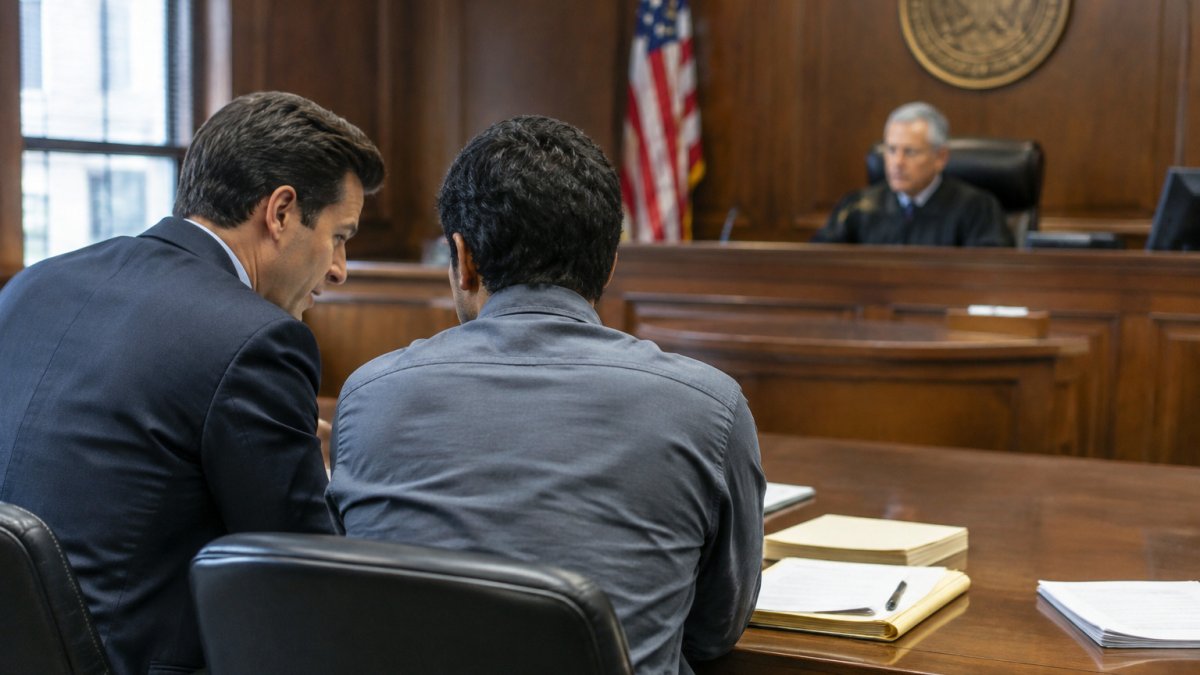
At the plea hearing, the judge will confirm that you understand the charge, the rights you give up and the sentence you will receive. You will be asked whether you are pleading guilty or no contest, and whether anyone has pressured you or promised you anything outside the agreement. Your attorney will stand with you at the counsel table. The judge may ask questions to make sure you are entering the plea freely and knowingly. Once the judge accepts the plea, the agreed terms become part of the court record.
Checking an Offer Before You Respond to the Prosecutor
Before you answer any offer, go through this checklist with your attorney:
- What is the exact charge, and is it a felony or a misdemeanor?
- What sentence, fine, probation or restitution is included?
- Will any counts be dismissed?
- What collateral consequences apply to my job, housing or immigration status?
- What rights am I giving up, including the right to appeal?
- Is the deal better than the likely outcome at trial, based on the evidence?
A careful review protects your future. A careful review of each offer with a qualified criminal defense attorney can help you understand your options before you decide. If you are facing a property charge in Los Angeles County, contact us for a free case evaluation so we can help you understand where your case stands.
Frequently Asked Questions
Who decides if a plea bargain will be offered?
A plea bargain is offered by the prosecutor, usually the deputy district attorney assigned to the case, and it must be negotiated with defense counsel. The defendant decides whether to accept, and the judge must approve the agreement before it takes effect. Judges generally do not initiate plea negotiations themselves, although they may comment on whether a proposed agreement is acceptable. Because the prosecutor controls the initial charging and offer, early contact with an experienced defense attorney can shape what offers are put on the table.
Can a first-time offender get a plea deal for a property crime?
First-time offenders are often eligible for plea offers that reduce a felony to a misdemeanor, lower the charge, or allow a dismissal or diversion-type outcome, depending on the facts. Whether that is available depends on the offense, the value of any property involved, restitution, and the prosecutor’s policies. Eligibility rules and sentencing ranges are set by California law, so the specifics of any offer should be checked against the statute and the case file with an attorney.
What is the downside of plea bargains?
The main downside is that a guilty or no contest plea results in a conviction, which can carry long-term consequences for employment, housing, professional licensing and immigration status. Plea offers can also create pressure, especially for people held in custody before trial, since pretrial detention is widely understood to increase the pressure to accept a plea offer. Accepting a deal also waives the right to a jury trial and the right to challenge the evidence at trial.
Can you withdraw a guilty plea after accepting a plea bargain?
In California, withdrawal of a guilty or no contest plea is generally limited and usually requires showing good cause, such as a mistake, a misunderstanding of the terms, or ineffective assistance of counsel. The court has discretion, and the timing matters. Because the rules are technical and strict, anyone considering withdrawing a plea should speak with a criminal defense attorney as soon as possible after the plea is entered.
